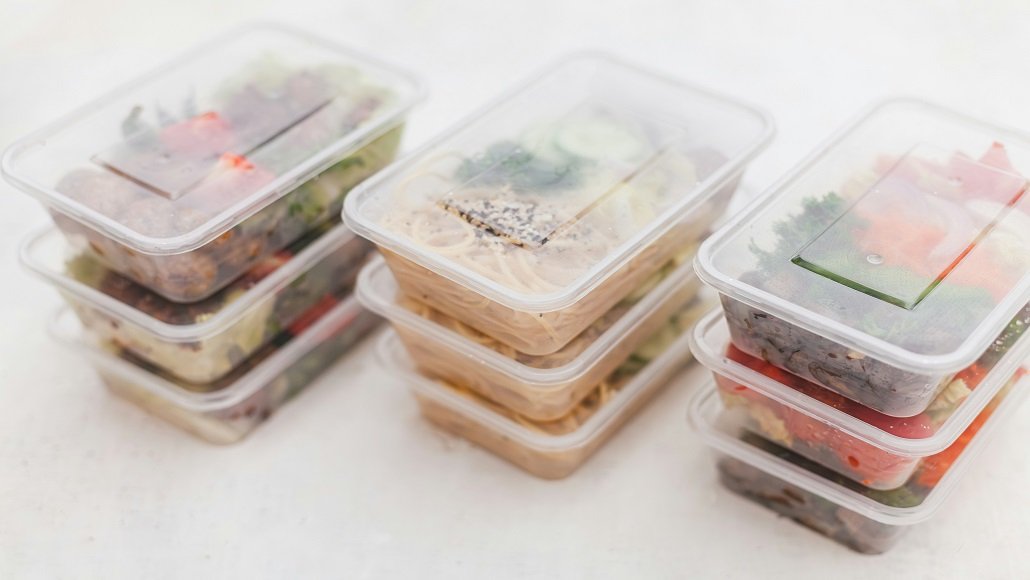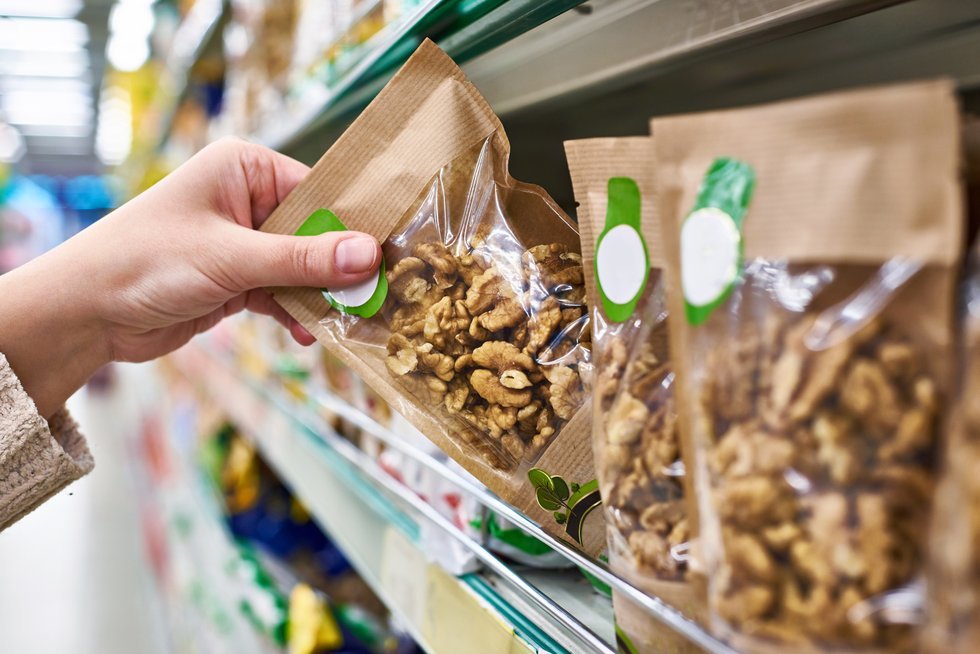
The importance of food-safe packaging for restaurants has never been greater. With the rise of takeout, delivery, and consumer awareness about health and sustainability, choosing the right packaging is a critical decision for any food business. Not only does it protect food quality and safety, but it also reflects your brand’s values and compliance with regulations. Understanding the essentials of safe packaging can help you avoid costly mistakes and build trust with your customers.
Before diving into the technical requirements and practical advice, it’s worth noting that packaging choices often intersect with other areas of product presentation and branding. For instance, if you’re interested in how tactile qualities influence customer perception, you might find this article on what is soft hand feel in garment printing insightful.
Understanding Food-Safe Packaging Standards
Ensuring that packaging materials are safe for direct contact with food is a legal and ethical obligation. The term food-safe packaging for restaurants refers to containers, wraps, and materials that do not transfer harmful substances to food. These standards are set by regulatory bodies such as the FDA in the United States and the European Food Safety Authority (EFSA) in Europe.
- Material Safety: Only use materials that are certified for food contact. This includes specific grades of plastics, paper, cardboard, glass, and certain metals.
- Migrant Limits: Packaging must not leach chemicals, inks, or adhesives into the food. Migration testing is often required to ensure compliance.
- Traceability: Suppliers should provide documentation proving that their products meet food safety standards. Always request certificates of compliance.
- Labeling: Food packaging should be clearly labeled as food-safe, especially if it is not obviously intended for food use.
Key Materials Used in Restaurant Packaging
Selecting the right material is essential for both safety and functionality. Here are some common options and their advantages:
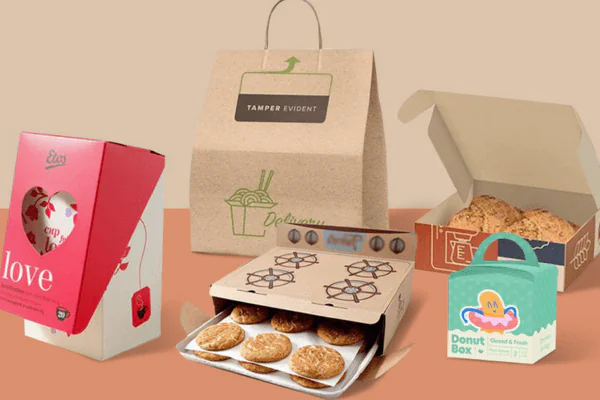
- Paper and Cardboard: Widely used for bakery boxes, sandwich wraps, and takeout containers. Look for uncoated or food-grade coated varieties to prevent contamination.
- Plastics: Polypropylene (PP), Polyethylene (PE), and PET are common choices. Ensure they are BPA-free and rated for food contact. Some plastics are suitable for microwaving or freezing.
- Compostable and Biodegradable Options: Made from plant-based materials like PLA or bagasse, these are increasingly popular for environmentally conscious businesses.
- Aluminum: Excellent for hot foods and oven-ready meals, as it withstands high temperatures and prevents leaks.
- Glass: Used for premium products, sauces, or beverages. It is non-reactive and fully recyclable.
Regulatory Requirements for Food Packaging in Restaurants
Compliance with food safety regulations is non-negotiable. Restaurants must ensure that all packaging meets both national and local laws. Key requirements include:
- FDA Compliance (U.S.): All packaging materials must be listed as safe for food contact under the FDA’s Code of Federal Regulations (CFR) Title 21.
- Good Manufacturing Practices (GMP): Packaging must be produced in facilities that follow strict hygiene and quality control protocols.
- Allergen Labeling: If packaging contains or is processed in facilities with allergens, this must be disclosed.
- Recyclability and Sustainability Claims: Any environmental claims must be truthful and substantiated to avoid misleading customers.
Best Practices for Choosing Food-Safe Packaging Solutions
Beyond regulatory compliance, there are practical steps restaurants can take to ensure their packaging is both safe and effective. Here are some actionable tips:
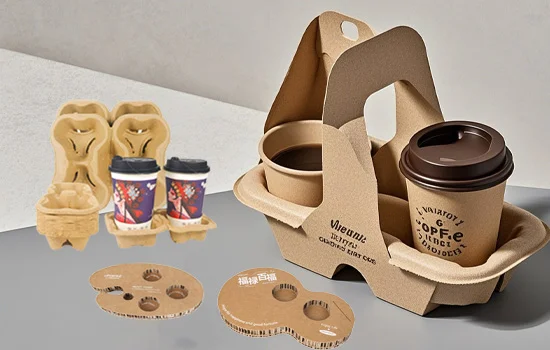
- Work with Trusted Suppliers: Always source packaging from reputable vendors who provide documentation and testing results.
- Test Packaging with Your Menu: Before committing to large orders, test how your food holds up in the packaging during transport and storage.
- Consider Temperature Needs: Choose materials that maintain food temperature and integrity, whether hot or cold.
- Prioritize Tamper-Evidence: Use seals or closures that show if packaging has been opened, providing extra safety for delivery and takeout.
- Focus on Sustainability: Opt for recyclable, compostable, or reusable packaging when possible, and communicate these choices to your customers.
- Stay Informed: Regulations and materials evolve. Keep up with industry developments and consider resources like this comprehensive guide to food-safe packaging solutions for deeper insights.
Common Mistakes to Avoid with Restaurant Packaging
Even well-intentioned businesses can make errors when selecting or using packaging. Here are some pitfalls to watch out for:
- Using Non-Food-Grade Materials: Never substitute with packaging not intended for food, such as standard shipping boxes or non-food plastics.
- Overlooking Labeling Requirements: Failing to label allergens or recycling information can lead to regulatory issues and customer dissatisfaction.
- Ignoring Customer Feedback: If customers report leaks, soggy food, or difficult-to-open containers, address these issues promptly.
- Neglecting Branding: Packaging is a key touchpoint for your brand. Custom printing and thoughtful design can enhance the dining experience and build loyalty.
FAQ: Food-Safe Packaging for Restaurant Owners
What materials are considered food-safe for restaurant use?
Materials such as food-grade plastics (like PP, PE, PET), uncoated or coated paperboard, aluminum, and glass are all considered safe for direct contact with food. Always check for certifications and compliance documentation from suppliers.
How can I ensure my packaging meets local food safety regulations?
Stay updated on both national and local regulations. Work with suppliers who provide compliance certificates and regularly review guidelines from regulatory bodies. It’s also wise to consult with food safety professionals or local health departments.
Are compostable and biodegradable packaging options safe for all types of food?
Many compostable and biodegradable options are suitable for a wide range of foods, but it’s important to verify that they can handle the temperatures, moisture, and grease levels of your menu items. Always test new materials with your products before full-scale adoption.
How does packaging impact food quality during delivery?
The right packaging preserves temperature, prevents leaks, and maintains texture. Poor choices can lead to soggy, cold, or unappetizing food. Testing different solutions with your menu is crucial to ensure customer satisfaction.
Conclusion
Selecting the right food-safe packaging for restaurants is about more than just compliance—it’s about protecting your customers, your brand, and the quality of your food. By understanding the standards, choosing appropriate materials, and following best practices, you can ensure your packaging supports both safety and sustainability. Stay proactive, keep learning, and make packaging a positive part of your restaurant’s reputation.