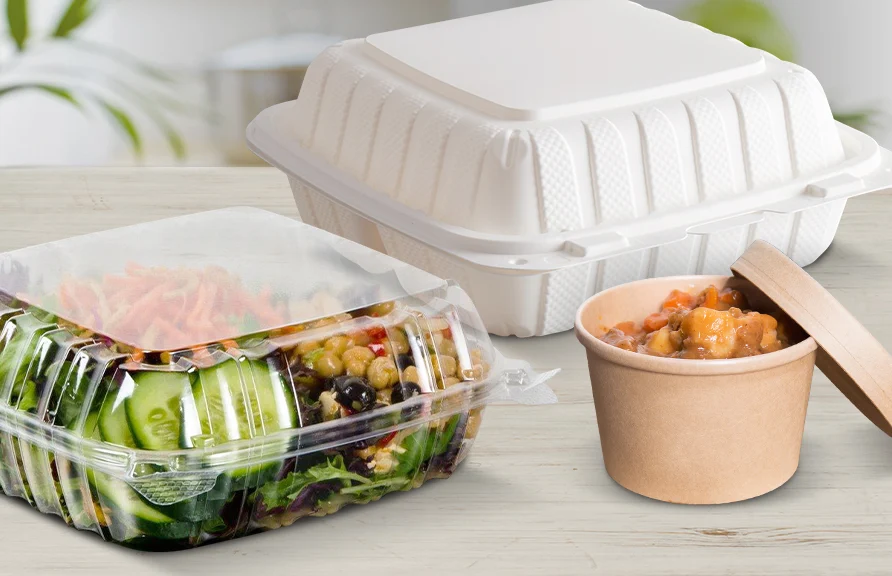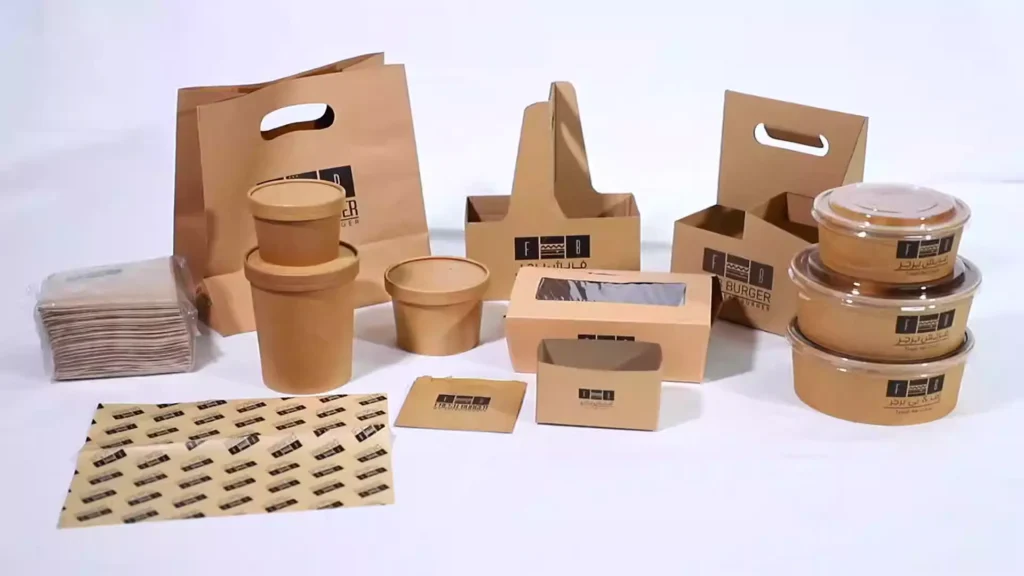
The safety and quality of pet food rely heavily on the materials and processes used to package it. As pet owners become more conscious of what their animals consume, the demand for food-safe packaging for pet food continues to grow. Ensuring that packaging meets strict safety standards is not just about compliance—it’s about protecting pets from potential contaminants and maintaining the freshness and nutritional value of their food.
In this article, we’ll break down what makes packaging suitable for pet food, the materials commonly used, regulatory requirements, and how brands can ensure their products are both safe and appealing. For those interested in related topics, you might also want to explore food-safe packaging for gluten-free foods, which shares many of the same principles and challenges.
Why Food Safety Matters in Pet Food Packaging
Pet food is subject to many of the same risks as human food when it comes to contamination and spoilage. Packaging that is not designed for food contact can leach harmful chemicals, allow moisture or pests inside, or fail to preserve the product’s integrity. This is why food-safe packaging for pet food is essential for both dry and wet varieties, treats, and supplements.
The consequences of unsafe packaging can include product recalls, health risks for pets, and damage to a brand’s reputation. Using certified, safe packaging materials helps prevent these issues and reassures consumers that the food they’re giving their pets is protected from external hazards.

Key Materials Used in Safe Pet Food Packaging
Not all packaging is created equal. The materials selected must be suitable for direct contact with food and must not transfer any substances that could harm pets. Commonly used materials for food-safe packaging for pet food include:
- High-density polyethylene (HDPE): Often used for bags and containers, HDPE is durable and resistant to moisture.
- Polyethylene terephthalate (PET): Widely used for flexible pouches and trays, PET is lightweight and offers a good barrier against oxygen and moisture.
- Paperboard with food-grade coatings: Used for boxes and cartons, these are treated to prevent grease and moisture from seeping through.
- Aluminum foil laminates: Provide excellent protection against light, oxygen, and moisture, making them ideal for wet and semi-moist foods.
Each material is chosen based on the type of pet food, shelf life requirements, and the need to protect against specific contaminants.
Regulatory Standards for Pet Food Packaging
Packaging for pet food must comply with regulations set by agencies such as the U.S. Food and Drug Administration (FDA) and the European Food Safety Authority (EFSA). These regulations ensure that all materials used are safe for food contact and do not introduce harmful substances into the product.
Manufacturers are required to use materials that have been tested and approved for food safety. This includes migration testing, which checks that chemicals do not transfer from the packaging into the food at unsafe levels. For more details on these requirements, you can refer to this comprehensive overview of food-grade packaging standards.
How Packaging Protects Pet Food Quality
The primary role of food-safe packaging for pet food is to maintain product quality from production to consumption. This involves:
- Barrier protection: Prevents oxygen, moisture, and light from degrading the food.
- Physical protection: Shields the product from crushing, punctures, and other physical damage during shipping and storage.
- Tamper evidence: Features like seals and tear strips help ensure the product has not been opened or altered before purchase.
- Extended shelf life: Proper packaging slows down spoilage and preserves freshness, flavor, and nutritional value.
Labeling and Allergen Considerations
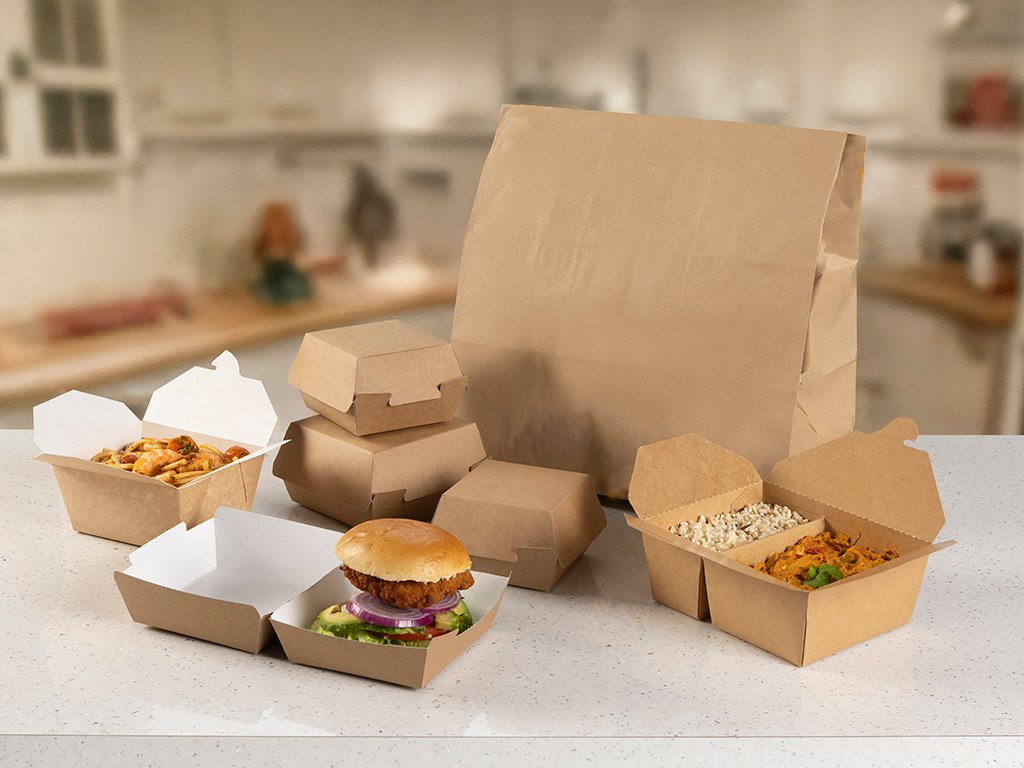
In addition to material safety, clear labeling is a critical component of responsible pet food packaging. Labels should include ingredient lists, nutritional information, expiration dates, and any allergen warnings. This transparency helps pet owners make informed choices and protects pets with dietary sensitivities.
For a deeper dive into allergen management, see our article on food-safe packaging for allergens, which covers best practices for labeling and cross-contamination prevention.
Sustainability Trends in Pet Food Packaging
As consumers become more eco-conscious, brands are seeking sustainable options that do not compromise on safety. Biodegradable films, recyclable plastics, and compostable paperboard are increasingly being used, provided they meet food safety standards. The challenge lies in balancing environmental responsibility with the need to protect the product and ensure it remains safe for pets.
Some companies are also adopting reusable packaging or encouraging recycling through clear disposal instructions on the label. These efforts not only appeal to environmentally minded consumers but also contribute to reducing the industry’s overall environmental impact.
Choosing the Right Packaging Partner
Selecting a packaging supplier with expertise in food-safe packaging for pet food is crucial. Look for partners who can provide documentation of compliance with relevant regulations, conduct regular safety audits, and offer innovative solutions tailored to your product’s needs.
It’s also beneficial to work with suppliers who stay up to date with the latest trends and technologies in the packaging industry. For those interested in plant-based or specialty diets, our resource on food-safe packaging for vegan products highlights unique considerations for alternative pet foods.
Frequently Asked Questions
What does “food-safe” mean in the context of pet food packaging?
“Food-safe” means that the packaging materials are approved for direct contact with food and do not transfer harmful chemicals, odors, or flavors to the pet food. These materials are tested to ensure they meet regulatory standards for safety and quality.
How can I tell if pet food packaging is safe?
Look for packaging that is labeled as food-grade or food-safe, and check for certifications or compliance statements from recognized authorities. Reputable brands will often provide this information on their packaging or websites.
Are sustainable packaging options available for pet food?
Yes, many brands are now offering sustainable packaging solutions such as recyclable plastics, compostable paperboard, and biodegradable films. However, it’s important that these materials also meet food safety requirements to ensure the product remains safe for pets.
Do regulations for pet food packaging differ from those for human food?
While there are similarities, regulations for pet food packaging are tailored to the specific needs and risks associated with animal consumption. Both require materials to be safe for food contact, but some standards and testing protocols may differ.
Where can I learn more about food-grade packaging standards?
For an in-depth look at food-grade packaging requirements and best practices, visit this comprehensive overview of food-grade packaging standards.
For those interested in organic options, see our guide on food-safe packaging for organic food to learn how packaging can support organic certification and consumer trust.