The way drinks are packaged plays a crucial role in ensuring both safety and quality. Food-safe packaging for beverages is designed to protect the contents from contamination, preserve freshness, and comply with health standards. Whether you’re a manufacturer, retailer, or consumer, understanding the basics of safe packaging for drinks can help you make informed decisions and avoid potential health risks.
As the beverage industry evolves, so do the materials and technologies used to keep drinks safe for consumption. From the rise of sustainable options to increasing regulatory requirements, the landscape of drink packaging is more complex than ever. For those interested in related production processes, learning about how to clean screen printing meshes can also provide insight into maintaining hygiene standards in packaging.
What Makes Beverage Packaging Food-Safe?
Not all containers are suitable for holding drinks. Food-safe packaging for beverages is specifically engineered to prevent harmful substances from leaching into liquids. This involves careful selection of materials, coatings, and manufacturing processes that meet strict health and safety standards.
- Material Safety: Only certain plastics, glass, metals, and paper products are approved for direct contact with food and drinks. These materials must not release toxins or alter the taste and odor of the beverage.
- Barrier Properties: Effective packaging prevents exposure to air, moisture, and light, which can degrade the quality of the drink and promote spoilage.
- Regulatory Compliance: Packaging must meet local and international regulations, such as FDA, EU, or other food safety authorities, ensuring all components are safe for use with consumables.
Common Materials Used in Drink Packaging
The choice of material impacts not only safety but also the shelf life and environmental footprint of the product. Here are some widely used options:
- Glass: Inert, non-reactive, and recyclable, glass is a classic choice for juices, sodas, and alcoholic beverages. It does not interact with the contents and is easy to sterilize.
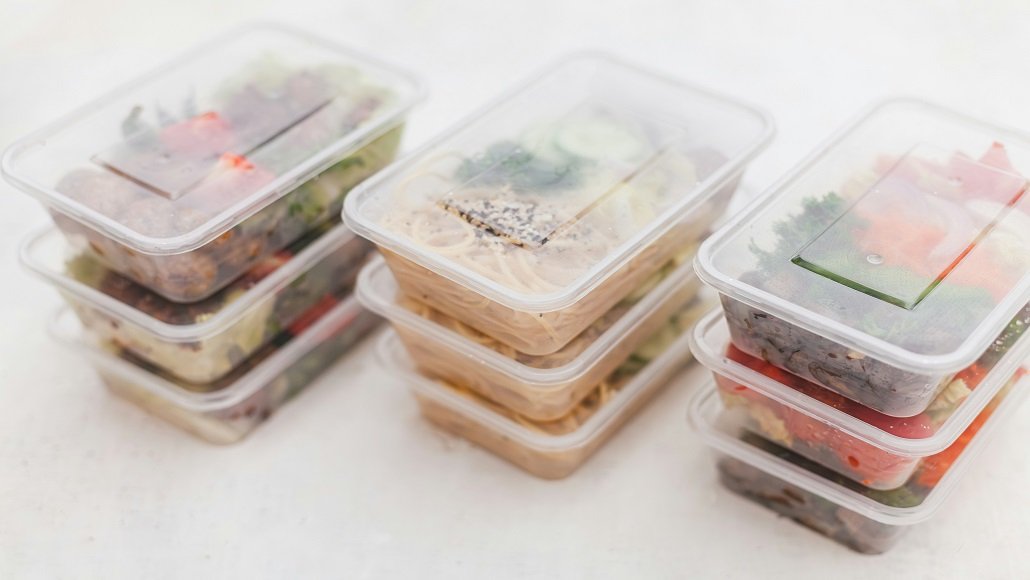
- Food-Grade Plastics: PET (polyethylene terephthalate) and HDPE (high-density polyethylene) are popular due to their lightweight nature and resistance to breakage. These plastics are designed to be safe for single or multiple uses, depending on the product.
- Aluminum: Used for cans, aluminum provides an excellent barrier against light and oxygen. It’s also highly recyclable and commonly lined with food-safe coatings to prevent metal leaching.
- Paper-Based Cartons: Often lined with a thin layer of plastic or aluminum, cartons are used for milk, juice, and plant-based drinks. They are lightweight and increasingly sourced from renewable materials.
Certifications and Symbols to Look For
When selecting or evaluating drink packaging, it’s important to recognize symbols and certifications that indicate compliance with safety standards. Some common indicators include:
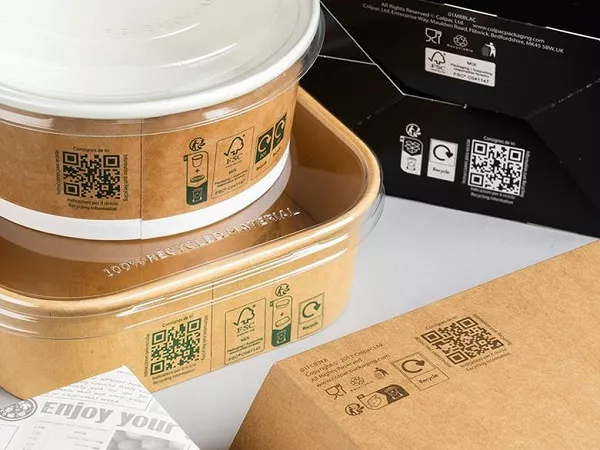
- Food Contact Material (FCM) Symbol: A glass and fork symbol, often found on packaging, confirms that the material is safe for food and beverage contact.
- Recycling Codes: Numbers within a triangle (such as 1 for PET or 2 for HDPE) help identify the type of plastic and its suitability for recycling and reuse.
- FSC Certification: For paper-based products, the Forest Stewardship Council (FSC) label ensures the material comes from responsibly managed forests.
For a deeper dive into the science and regulations behind packaging safety, the article Food Packaging and Its Environmental Impact provides a comprehensive overview.
Benefits of Using Approved Beverage Packaging
Utilizing containers that meet food safety standards offers several advantages for both producers and consumers:
- Health Protection: Prevents contamination from chemicals, bacteria, and other hazards.
- Quality Preservation: Maintains the intended flavor, aroma, and nutritional value of the drink.
- Regulatory Assurance: Reduces the risk of recalls, fines, and legal issues by complying with food safety laws.
- Brand Trust: Demonstrates a commitment to consumer safety and product integrity.
Emerging Trends in Safe Drink Packaging
The industry is seeing rapid innovation in response to environmental concerns and changing consumer preferences. Some of the latest trends include:
- Biodegradable and Compostable Materials: New plant-based plastics and coatings are being developed to reduce landfill waste.
- Smart Packaging: Technologies like QR codes and freshness indicators help monitor product safety throughout the supply chain.
- Minimalist Design: Reducing unnecessary layers and materials helps lower environmental impact while maintaining safety.
As packaging evolves, manufacturers are also exploring advanced printing techniques to enhance branding and traceability. If you’re interested in how printing methods affect packaging, check out this guide to sublimation vs direct to film printing for more details.
Best Practices for Selecting and Using Drink Containers
To ensure the safety and quality of beverages, consider these practical steps:
- Check for Certifications: Always look for recognized food safety symbols and certifications on packaging.
- Assess Material Suitability: Choose containers that are appropriate for the type of beverage (e.g., acidic drinks may require specific linings).
- Monitor Storage Conditions: Store packaged drinks in cool, dry environments to prevent degradation of both the beverage and the packaging.
- Follow Usage Instructions: Some containers are designed for single use only, while others can be safely reused if cleaned properly.
Proper cleaning and maintenance are also essential for reusable packaging. For those involved in the production process, understanding how to clean screen printing meshes can help maintain hygiene and product safety.
Frequently Asked Questions
What materials are considered safe for beverage packaging?
Approved materials include food-grade plastics like PET and HDPE, glass, aluminum with food-safe linings, and paperboard cartons with appropriate coatings. These materials are tested to ensure they do not release harmful substances into drinks.
How can I tell if a drink container is food-safe?
Look for symbols such as the glass and fork, recycling codes, or certifications like FDA approval or FSC labeling. These indicators show that the packaging meets food safety standards.
Are eco-friendly beverage packages as safe as traditional options?
Yes, as long as they are certified for food contact. Biodegradable and compostable materials must still pass safety tests to ensure they do not contaminate the beverage.