Choosing the right food-safe packaging containers is essential for anyone involved in food production, distribution, or retail. These containers protect food from contamination, preserve freshness, and ensure compliance with health regulations. Understanding the characteristics, materials, and certifications associated with these containers helps businesses and consumers make informed decisions that prioritize safety and quality.
Whether you’re running a restaurant, managing a food delivery service, or simply want to store leftovers safely at home, knowing what makes a container suitable for food contact is crucial. This guide explores the different types, materials, and standards that define safe packaging for food, along with practical tips for selecting the best options for your needs.
For a deeper understanding of the different types of food-safe packaging available to modern food businesses, you can explore more detailed breakdowns and examples.
What Makes a Container Food-Safe?
The term food-safe packaging containers refers to any vessel or material designed to hold food without causing contamination or chemical migration. These containers must meet strict standards set by regulatory agencies such as the FDA or EFSA. Key requirements include:
- Non-toxicity: Materials must not leach harmful chemicals into food.
- Durability: Containers should resist breaking, cracking, or degrading during normal use.
- Cleanability: Surfaces must be easy to clean and sanitize.
- Odor and taste neutrality: Packaging should not impart any flavors or smells to the food.
- Barrier properties: Effective at protecting food from moisture, air, and contaminants.
Compliance is often indicated by symbols or certifications on the packaging, such as the glass and fork symbol or explicit statements of food contact safety.
Common Materials Used in Safe Food Packaging
Several materials are widely used in the manufacture of containers suitable for food. Each has unique properties, advantages, and limitations:
- Plastic: Includes types like PET, HDPE, LDPE, and PP. These are lightweight, versatile, and often recyclable. However, only plastics labeled as food-grade are suitable for direct contact.
- Glass: Non-reactive and impermeable, glass is ideal for preserving flavor and freshness. It’s reusable and recyclable but can be heavy and prone to breakage.
- Metal: Aluminum and tin-plated steel are common for cans and foil containers. They offer excellent barrier properties but require food-safe linings to prevent corrosion and contamination.
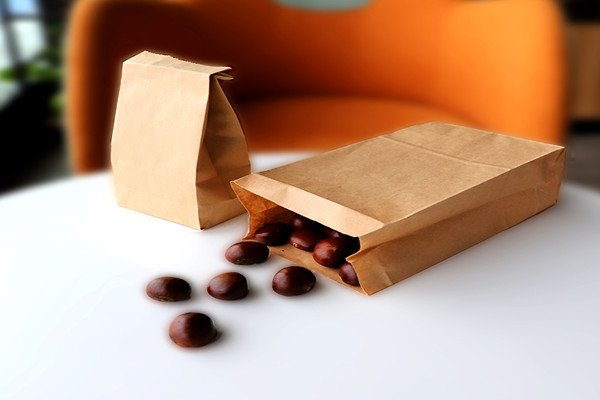
- Paper and Cardboard: Often coated or lined to resist moisture and grease. These are popular for takeout and bakery items, especially when compostable or recyclable.
- Bioplastics and Compostables: Made from plant-based materials, these offer sustainable alternatives but must still meet food safety standards.
When selecting a material, consider the type of food, storage conditions, and end-of-life disposal options. For more on the definition and importance of safe packaging, see what is food-safe packaging.
Certifications and Regulatory Standards
Regulatory bodies enforce standards to ensure containers used for food are safe. In the United States, the FDA oversees food contact materials, while in Europe, the EFSA sets guidelines. Look for the following indicators when assessing packaging:
- Food Contact Symbol: A glass and fork icon signifies suitability for food use.
- Material Codes: Plastics often display recycling codes; only certain codes (like #1 PET, #2 HDPE, #5 PP) are typically food-safe.
- Certifications: Third-party certifications, such as NSF or BRCGS, provide additional assurance.
- Labeling: Explicit statements such as “food grade” or “safe for food contact” are important.
For more details on how to verify if a packaging material is safe for food, see this comprehensive guide to identifying food-safe packaging materials.
Types of Containers for Food Safety
There is a wide variety of containers designed for different food applications. Some of the most common include:
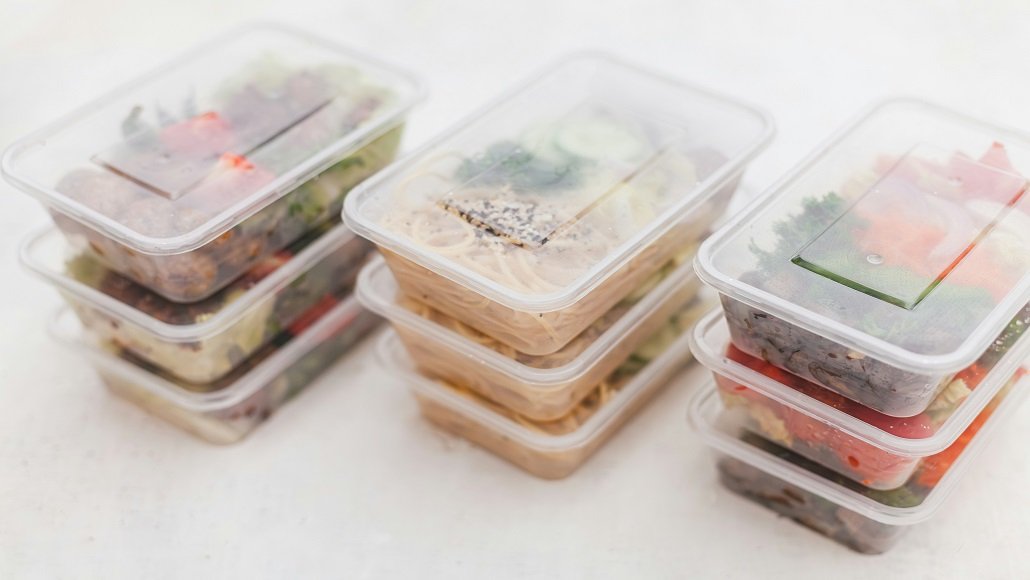
- Clamshells: Popular for salads, sandwiches, and bakery items, these are typically made from clear PET or compostable materials.
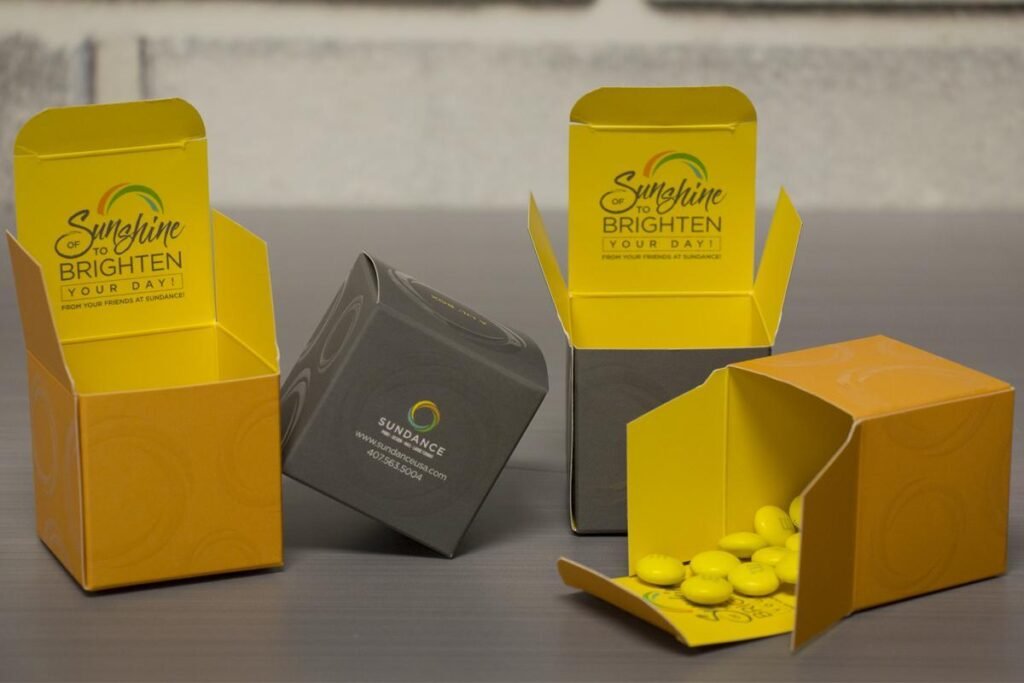
- Takeout Boxes: Often constructed from coated paperboard or eco-friendly alternatives, these are ideal for hot foods and delivery.
- Jars and Bottles: Used for sauces, beverages, and preserves, glass and PET are common choices.
- Trays and Pans: Aluminum trays are widely used for catering and ready meals due to their heat resistance.
- Vacuum-Sealed Bags: Essential for extending shelf life and preventing spoilage, especially for meats and cheeses.
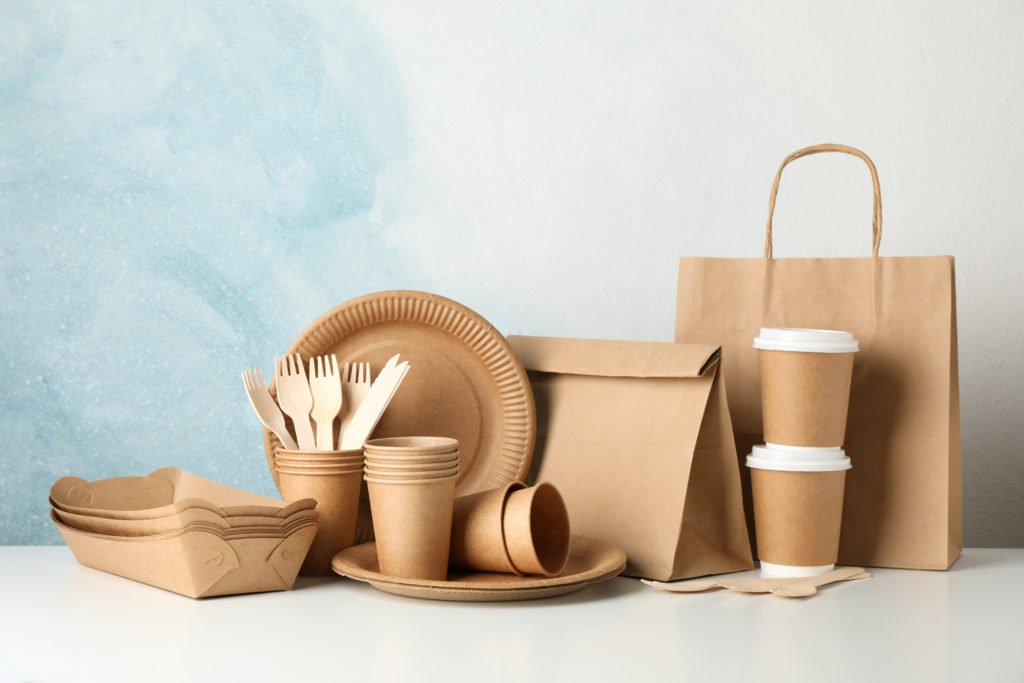
The choice of container depends on the type of food, required shelf life, presentation, and environmental considerations. For example, compostable options are increasingly popular for businesses seeking to reduce their environmental footprint.
How to Choose the Right Food-Safe Packaging Containers
Selecting the most appropriate packaging involves several factors:
- Food Type: Liquids, dry goods, hot or cold foods each require specific materials and designs.
- Intended Use: Consider whether the container will be used for storage, transport, or direct serving.
- Regulatory Compliance: Always check for food-safe certifications and symbols.
- Sustainability: Opt for recyclable or compostable materials when possible.
- Consumer Experience: Easy-to-open, resealable, or portion-controlled containers can improve satisfaction.
Businesses should also consider branding opportunities, as packaging is often the first point of contact with customers.
Best Practices for Safe Food Packaging
To maintain the integrity of food products and comply with safety standards, follow these best practices:
- Always use containers labeled as food-grade or food-safe.
- Store packaging in clean, dry environments to prevent contamination.
- Avoid reusing single-use containers, especially those not designed for repeated use.
- Follow manufacturer instructions for temperature limits and microwave or freezer compatibility.
- Regularly inspect packaging for damage or wear before use.
By adhering to these guidelines, both businesses and consumers can help ensure food remains safe from production to consumption.
FAQ
What symbols indicate that a container is safe for food?
Look for the glass and fork symbol, which means the container is suitable for food contact. Some containers may also state “food grade” or display recycling codes like #1 (PET), #2 (HDPE), or #5 (PP), which are generally considered safe for food.
Can I reuse containers that are labeled as single-use?
It’s best not to reuse single-use packaging, as these are not designed for repeated cleaning or exposure to heat. Reusing them can increase the risk of chemical leaching or contamination.
Are compostable or biodegradable containers always food-safe?
Not all compostable or biodegradable containers are automatically safe for food. They must still meet food contact safety standards and carry appropriate certifications or labeling to ensure they do not pose health risks.