Sublimation printing has become a popular method for creating vibrant, durable designs on a wide range of products, from apparel to mugs and signage. Achieving the best possible results depends not only on technique but also on using the right sublimation printing materials. Understanding which supplies are essential and how to select them for your specific needs can make a significant difference in the quality and longevity of your finished products.
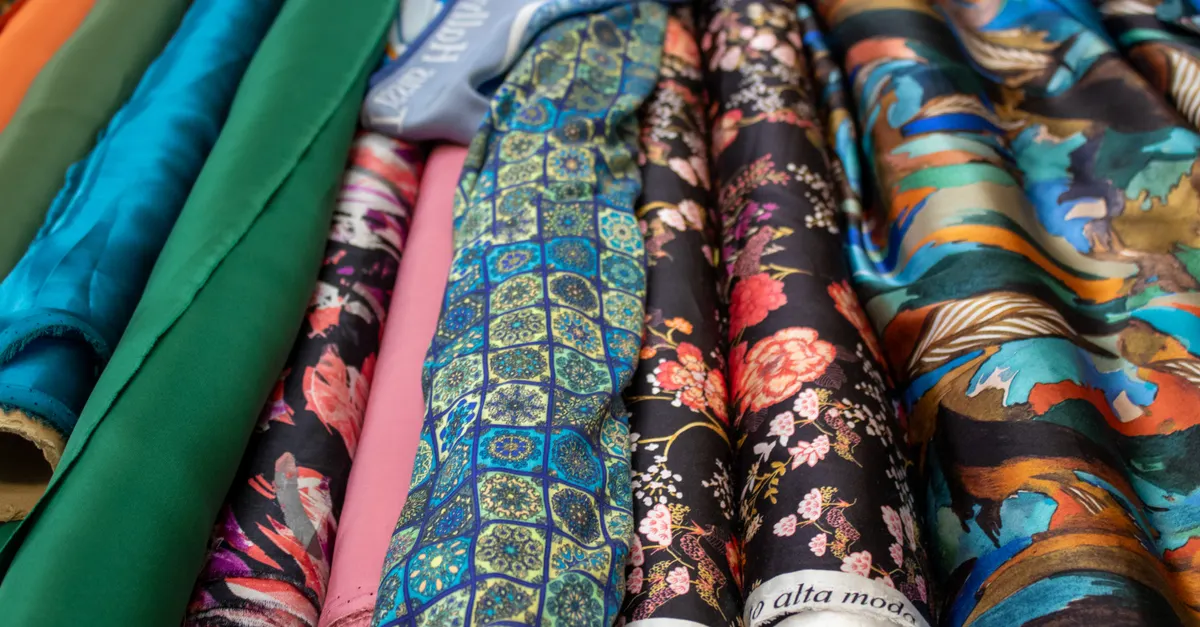
Understanding the Basics of Sublimation Printing Supplies
At its core, sublimation printing is a process where heat and pressure are used to transfer dye onto materials such as polyester fabrics or specially coated items. The process relies on a few key components working together: a compatible printer, specialized inks, transfer paper, blanks (the items to be printed on), and a heat press. Each of these sublimation printing materials plays a vital role in ensuring the final print is sharp, colorful, and long-lasting.
Essential Materials for Sublimation Printing Success
To get started with sublimation, you’ll need to gather several core supplies. Here’s a breakdown of each, including their function in the printing process:
- Sublimation Printer: Unlike standard inkjet or laser printers, a sublimation printer is designed to work with dye-sublimation inks. These printers use a specific printhead technology that allows the ink to be deposited precisely, ensuring detailed images and smooth color gradients.
- Sublimation Ink: This special type of ink turns into a gas when heated, allowing it to bond with polyester fibers or polymer coatings. The quality and formulation of the ink directly affect color vibrancy and wash durability.
- Sublimation Paper: This transfer paper holds the ink in place until it is transferred to the blank under heat and pressure. The paper’s coating is engineered to release nearly all the ink during pressing, maximizing color transfer.
- Sublimation Blanks: These are the items you decorate, such as t-shirts, mugs, or phone cases. For successful transfers, blanks must be made of polyester or have a special polymer coating.
- Heat Press: A heat press applies the necessary temperature and pressure to drive the sublimation process. Consistent heat and pressure are crucial for even, lasting results.
Each of these materials must be compatible with the others. For example, using the right type of ink with the correct printer and paper ensures your designs are accurately reproduced.
Comparing Sublimation Papers: Which One to Choose?
Not all sublimation papers are created equal, and the choice of paper can have a noticeable impact on your print quality. Here are some factors to consider when selecting transfer paper:
- Release Rate: High-quality papers are engineered to release nearly all the ink onto the blank, resulting in brighter, more vibrant colors.
- Drying Time: Some papers dry faster than others, which can be important for high-volume production or when working in humid environments.
- Weight and Thickness: Heavier papers are less likely to wrinkle or shift during pressing, which helps prevent ghosting or blurring.
- Compatibility: Some papers are optimized for use with specific printers or inks, so always check manufacturer recommendations.
For example, if you’re printing on soft polyester fabrics, you might choose a lightweight paper that conforms well to the material. For rigid items like ceramic mugs, a heavier paper that resists curling is often preferred. Testing a few types of paper with your setup is the best way to determine which yields the most consistent, high-quality results.
How to Select the Best Sublimation Printer for Your Needs
Choosing a sublimation printer is a critical decision, as it sets the foundation for your entire workflow. Here are some key considerations:
- Print Size: Determine the maximum size you’ll need to print. Desktop models are suitable for small items like mugs and phone cases, while larger format printers are necessary for apparel or signage.
- Ink System: Some printers use refillable tanks, while others rely on cartridges. Tank systems can be more economical for high-volume users.
- Color Management: Look for printers that support ICC profiles and color calibration, which help ensure color accuracy across different materials.
- Ease of Maintenance: Consider how easy it is to clean and maintain the printer, as clogged printheads can cause downtime and waste ink.
- Support and Compatibility: Make sure the printer is compatible with your chosen inks and papers. Some brands offer better customer support and more readily available replacement parts.
If you’re already familiar with other digital fabrication technologies, such as 3D printing materials for model making, you’ll recognize the importance of matching your equipment to your project requirements. The same principle applies to sublimation: the right printer can improve efficiency and print quality, while the wrong one can limit your creative options.
Sublimation Blanks: The Canvas for Your Designs
Sublimation blanks are specially manufactured items designed to accept sublimation dyes. The most important characteristic of a blank is its surface composition:
- Polyester Fabrics: Only polyester or polyester-blend textiles will bond with sublimation dyes. Higher polyester content generally results in more vibrant and durable prints.
- Polymer-Coated Hard Goods: Items like mugs, metal panels, and keychains must have a polymer coating that can accept the dye. Without this coating, the transfer will not be permanent.
Blanks come in many shapes and forms, including t-shirts, tote bags, puzzles, mouse pads, and more. When shopping for blanks, always verify that they are labeled as “sublimation-ready” or “sublimation compatible.” This ensures the surface will accept the dye and produce a lasting image.
The Importance of a Quality Heat Press
A heat press is the final step in the sublimation process, and its role cannot be overstated. The press must deliver consistent, even heat and pressure to ensure the dye fully sublimates and bonds with the blank. There are several types of heat presses:
- Flatbed Presses: Ideal for apparel, mouse pads, and flat items.
- Mug Presses: Designed to wrap around cylindrical items like mugs and tumblers.
- Cap Presses: Shaped for hats and other curved surfaces.
- Multi-Function Presses: These can accommodate various attachments for different types of blanks.
When choosing a heat press, consider the size of your typical projects, the temperature range, and the ease of adjusting pressure. Investing in a reliable press will help you avoid common issues like uneven transfers, fading, or incomplete images.
Frequently Asked Questions
What is the minimum polyester content required for sublimation printing?
For the best results, use fabrics with at least 65% polyester content. Lower polyester percentages may produce faded or less durable prints, as the dye only bonds with the polyester fibers.
Can I use regular inkjet paper for sublimation transfers?
No, regular inkjet paper is not suitable for sublimation. Sublimation paper is specially coated to hold and release the dye efficiently during the heat press process, which is critical for vibrant, sharp images.
Do I need a special printer for sublimation, or can I use my home inkjet printer?
You need a printer that is compatible with sublimation inks. Some inkjet printers can be converted for sublimation use, but it’s important to ensure the printhead and ink system are suitable for dye-sublimation inks to avoid clogging and poor print quality.
Conclusion: The Impact of Material Selection on Sublimation Printing
Choosing the right sublimation printing materials is the foundation of successful, high-quality transfers. From selecting a compatible printer and vibrant inks to picking the ideal transfer paper and blanks, each component plays a crucial role in the final result. Taking the time to compare options and match materials to your specific projects will help you achieve professional, long-lasting prints that stand out. Whether you’re just starting or looking to refine your process, investing in quality supplies and understanding their roles will set you up for success in the world of sublimation printing.