Businesses today face increasing pressure to reduce their environmental impact, especially when it comes to promotional materials. As consumers become more eco-conscious, brands are seeking eco-friendly printing solutions for marketing that align with sustainability goals without compromising on quality or creativity. This guide explores the most effective green printing options, materials, and strategies to help organizations run responsible, impactful campaigns.

Why Sustainable Printing Matters in Modern Marketing
Marketing campaigns often rely on printed assets such as brochures, banners, packaging, and direct mail. Traditional printing processes can generate significant waste, consume large amounts of energy, and use chemicals that are harmful to the environment. By adopting eco-friendly printing solutions for marketing, companies can minimize their carbon footprint, appeal to environmentally aware customers, and comply with evolving regulations.
Switching to sustainable methods not only benefits the planet but also enhances brand reputation. Customers increasingly prefer brands that demonstrate a commitment to responsible practices, making green printing a smart choice for long-term business growth.
Key Elements of Eco-Conscious Printing
Adopting greener printing practices involves more than just using recycled paper. The following elements are essential for reducing the environmental impact of marketing materials:
- Recycled and FSC-Certified Paper: Choose paper stocks made from post-consumer waste or certified by the Forest Stewardship Council (FSC) to ensure responsible sourcing.
- Vegetable-Based and Low-VOC Inks: Traditional petroleum-based inks release volatile organic compounds (VOCs). Opt for soy, vegetable, or water-based inks to lower emissions and improve recyclability.
- Energy-Efficient Printing Processes: Digital and offset printers that use renewable energy or energy-saving technologies can significantly reduce the carbon footprint of each print run.
- Minimalist and Efficient Design: Designing with sustainability in mind—such as reducing ink coverage, using standard sizes, and eliminating unnecessary finishes—helps conserve resources.
- Responsible Finishing Options: Avoid laminates and coatings that hinder recyclability. Instead, use biodegradable or water-based alternatives.
Popular Green Printing Methods for Campaigns
There are several printing technologies and processes that support sustainable marketing efforts. Understanding their benefits can help marketers make informed decisions:
Digital Printing
Digital presses are ideal for short runs and personalized campaigns. They generate less waste, require minimal setup, and often use eco-friendly toners or inks. Because digital printing eliminates the need for plates and chemicals, it’s a cleaner option for many marketing materials.
Offset Printing with Green Upgrades
Offset lithography remains popular for large-scale campaigns. Many modern offset printers now offer waterless printing, alcohol-free dampening, and the use of recycled plates. When combined with sustainable inks and papers, offset printing can be both high-quality and environmentally responsible.
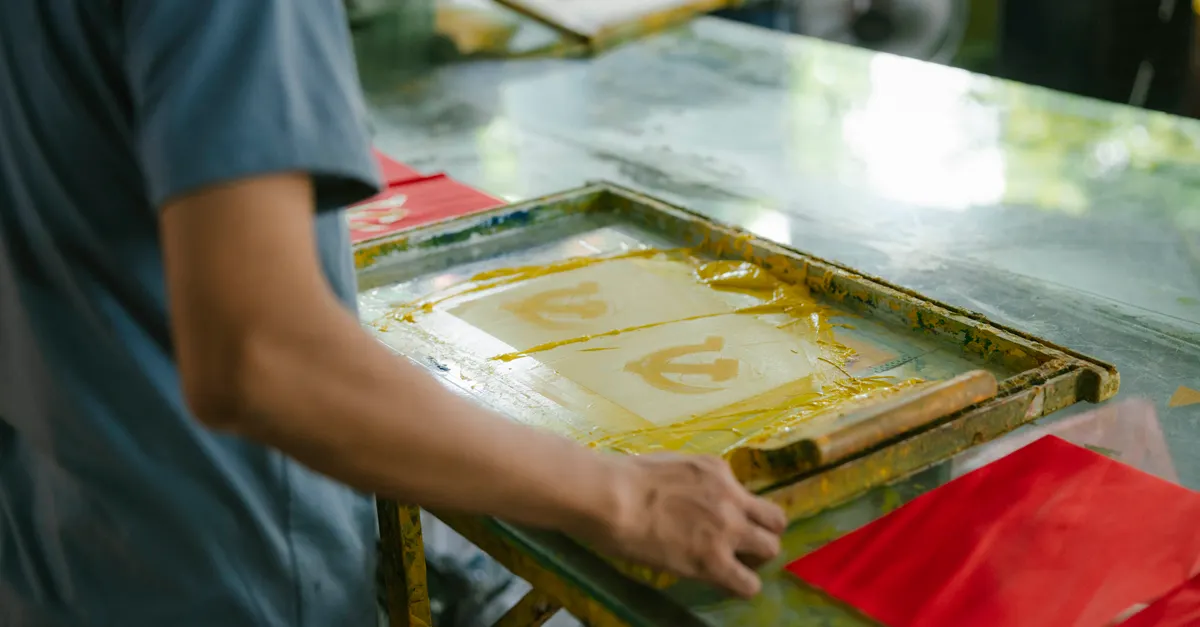
Screen Printing with Natural Dyes
For textiles and specialty items, screen printing can be made greener by using natural dyes and water-based inks. This approach is particularly relevant for branded apparel and promotional products. For more details on sustainable textile processes, see our guide on eco-friendly printing processes for textiles.
Choosing Sustainable Materials for Marketing Collateral
The choice of substrate plays a crucial role in the overall sustainability of printed marketing materials. Here are some options to consider:
- Recycled Paper: Available in various weights and finishes, recycled paper reduces landfill waste and conserves resources.
- Tree-Free Alternatives: Papers made from bamboo, hemp, or agricultural waste offer renewable options with unique textures.
- Biodegradable Plastics: For signage or packaging, biodegradable films break down more quickly than conventional plastics.
- Reusable Materials: Consider substrates that can be repurposed or reused, such as fabric banners or durable boards.
When selecting materials, always verify certifications and ask suppliers about the environmental credentials of their products.
Design Strategies for Greener Campaigns
Eco-friendly printing starts with thoughtful design. Here are some strategies to maximize sustainability:
- Optimize Layouts: Arrange artwork to minimize paper waste during trimming and finishing.
- Limit Color Usage: Use fewer colors or lighter ink coverage to reduce ink consumption and facilitate recycling.
- Choose Standard Sizes: Standard dimensions reduce offcuts and make production more efficient.
- Incorporate QR Codes: Direct recipients to digital content, reducing the need for lengthy printed materials.
- Communicate Sustainability: Add eco-labels or brief notes about responsible choices to educate and engage your audience.
Benefits of Eco-Friendly Printing for Businesses
Adopting sustainable printing practices provides a range of advantages beyond environmental stewardship:
- Brand Differentiation: Stand out by demonstrating a genuine commitment to sustainability.
- Cost Savings: Efficient designs and reduced material usage can lower production costs.
- Regulatory Compliance: Stay ahead of evolving environmental regulations and avoid potential penalties.
- Customer Loyalty: Build trust with eco-conscious consumers who value responsible business practices.
These benefits make green printing a strategic investment for organizations aiming to thrive in a competitive marketplace.
Challenges and Considerations in Sustainable Printing
While the advantages are clear, there are also challenges to consider when implementing eco-friendly printing solutions for marketing:
- Availability of Materials: Some specialty papers or inks may be less readily available or have longer lead times.
- Cost Implications: Certain sustainable options can be more expensive upfront, though savings may accrue over time.
- Quality Concerns: It’s important to test materials and processes to ensure they meet brand standards for color, texture, and durability.
- Supplier Transparency: Work with vendors who provide clear information about the sourcing and environmental impact of their products.
Careful planning and open communication with print partners can help overcome these obstacles and ensure successful, sustainable campaigns.
Integrating Green Printing into Your Marketing Strategy
To fully realize the benefits of sustainable printing, organizations should integrate these practices into their broader marketing strategies. This includes:
- Setting Clear Sustainability Goals: Define measurable objectives for reducing waste, emissions, or resource use.
- Training Teams: Educate designers, marketers, and procurement staff on best practices for green printing.
- Evaluating Campaign Impact: Track the environmental outcomes of each campaign and use insights to improve future efforts.
- Collaborating with Partners: Choose print vendors and suppliers who share your commitment to sustainability.
By making eco-friendly printing a core part of your marketing approach, you can drive positive change and inspire others in your industry.
Frequently Asked Questions
What are the most important features of eco-friendly printing?
The most critical features include the use of recycled or responsibly sourced paper, vegetable-based or low-VOC inks, energy-efficient printing processes, and recyclable or biodegradable finishes. These elements help reduce waste, emissions, and the overall environmental impact of marketing materials.
Is green printing more expensive than traditional methods?
While some sustainable materials or inks may have higher upfront costs, efficient design and reduced waste can offset expenses. Over time, many businesses find that eco-friendly printing is cost-competitive, especially as demand and availability increase.
How can I ensure my printed materials are truly sustainable?
Work with reputable suppliers who provide certifications (such as FSC or recycled content), choose materials and inks with clear environmental credentials, and design with efficiency in mind. Regularly review your processes to identify further opportunities for improvement.