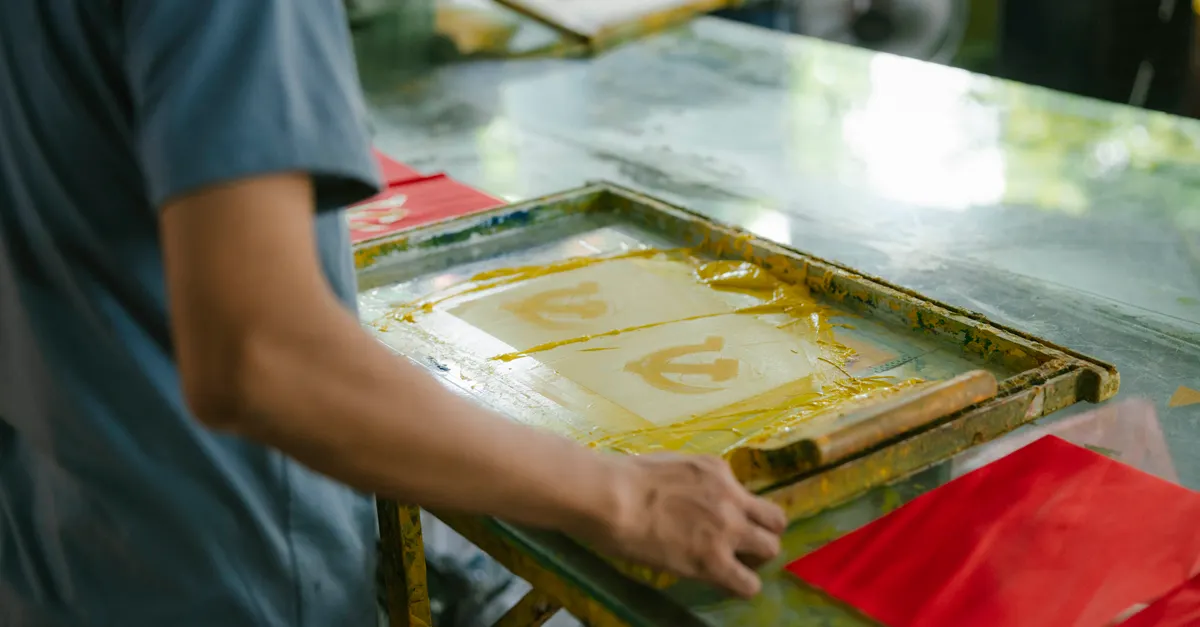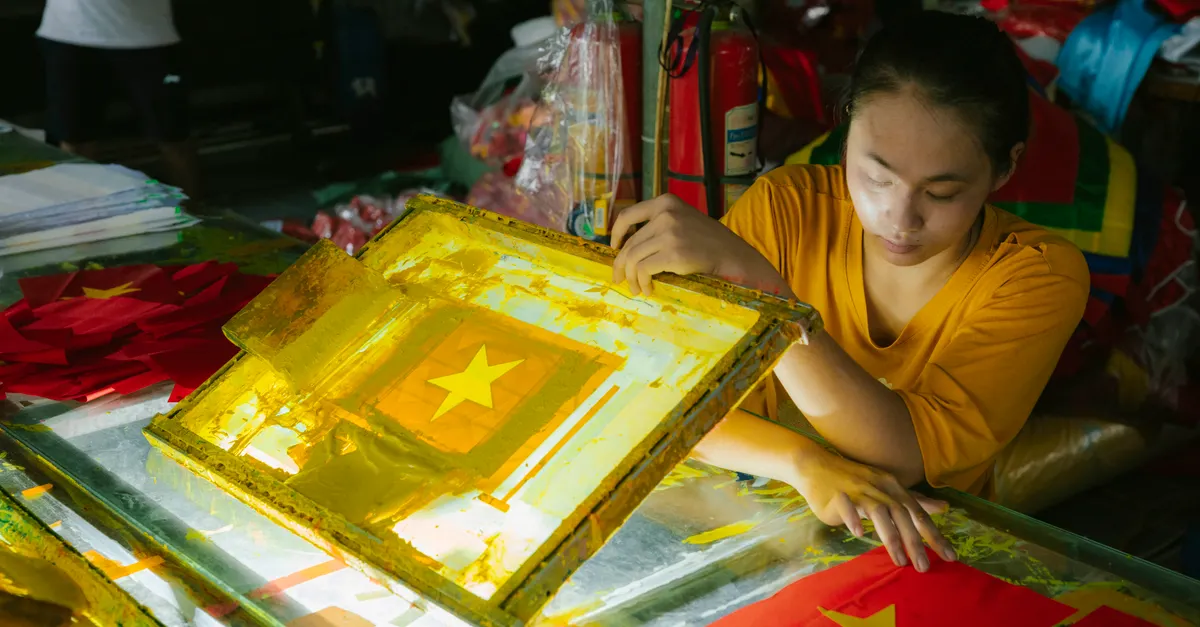
Sustainability is becoming a central concern in the textile industry, with growing attention on how fabrics are produced, dyed, and printed. As consumers and brands seek to reduce their environmental impact, eco-friendly printing processes for textiles have emerged as a vital solution. These methods not only aim to minimize pollution and resource consumption but also support the shift toward more responsible manufacturing. In this guide, we’ll explore the main sustainable printing techniques, compare eco-friendly and traditional inks, and highlight the importance of using sustainable materials in textile production.
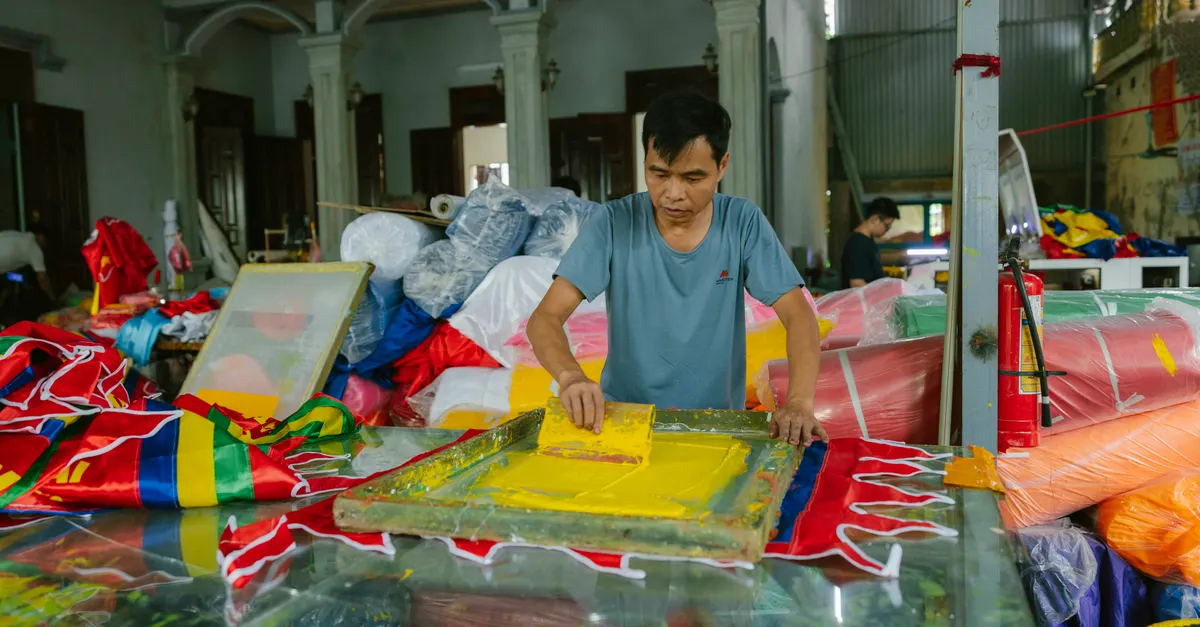
Understanding Sustainable Textile Printing Methods
Traditional textile printing methods, such as rotary screen printing and conventional dyeing, often require large amounts of water, energy, and chemicals. In contrast, modern eco-friendly printing processes for textiles are designed to reduce environmental impact at every stage. The most prominent sustainable techniques include Direct-to-Garment (DTG) printing, sublimation printing, and digital textile printing.
- Direct-to-Garment (DTG) Printing: This method uses water-based inks and prints designs directly onto fabrics. DTG is considered environmentally friendly because it requires less water than traditional screen printing and avoids the use of harsh chemicals. The use of Neo-Pigment ink, in particular, further reduces the ecological footprint by being free from heavy metals and hazardous substances.
- Sublimation Printing: Sublimation is a process where heat is used to transfer dye onto polyester fabrics. It stands out for its minimal water usage and low waste generation, as the dye becomes part of the fabric itself, eliminating excess runoff and the need for post-print washing.
- Digital Textile Printing: This technique involves printing digital images directly onto textiles using inkjet technology. Digital printing is recognized for its low water and energy consumption, as well as its ability to use chemical-free inks. It also enables short production runs, reducing overproduction and waste.
Compared to conventional methods, these approaches offer significant sustainability benefits. By reducing water and chemical use, they help lower the overall environmental impact of textile manufacturing and support the industry’s move toward greener practices.
Comparing Eco-Friendly and Traditional Inks
The choice of ink plays a crucial role in the sustainability of textile printing. Eco-friendly inks are formulated to minimize environmental harm, while traditional inks often contain chemicals that can be harmful to both people and the planet.
Eco-Friendly Inks
- Water-Based Inks: These inks are made primarily from water, reducing the need for solvents and toxic additives. They are biodegradable and produce fewer volatile organic compounds (VOCs), making them safer for workers and the environment.
- Vegetable-Based Inks: Derived from renewable resources such as soy or other plant oils, these inks offer a lower carbon footprint compared to petroleum-based alternatives. They are also easier to remove during recycling processes.
- Pigment and Neo-Pigment Inks: Used in DTG and digital printing, these inks are free from heavy metals and hazardous chemicals. They bond well with natural fibers and require less energy for curing.
Traditional Inks
- Plastisol Inks: Commonly used in screen printing, plastisol inks are made from PVC and plasticizers. They require high temperatures to cure and can release harmful chemicals during production and disposal.
- Solvent-Based Inks: These inks contain high levels of VOCs, contributing to air pollution and posing health risks to workers. They are less biodegradable and can contaminate water sources if not managed properly.
The main differences between eco-friendly and traditional inks lie in their composition, environmental impact, and safety. Eco-friendly inks reduce hazardous emissions, are easier to clean up, and support a circular economy by being compatible with recycling and composting processes. In contrast, traditional inks can persist in the environment and require more resources to manage safely.
For those interested in a deeper dive into sustainable ink options, the article on eco-friendly textile inks offers additional insights into how these products benefit both fashion brands and the environment.
The Role of Sustainable Materials in Textile Printing
Choosing the right substrate is just as important as selecting the printing method or ink. Sustainable materials for textile printing are engineered to accept dyes and pigments efficiently, supporting both print quality and environmental goals.
- Organic Cotton: Grown without synthetic pesticides or fertilizers, organic cotton is a popular choice for eco-conscious brands. It works well with water-based and pigment inks, ensuring vibrant prints without compromising sustainability.
- Recycled Polyester: Made from post-consumer plastic bottles or textile waste, recycled polyester reduces landfill use and the demand for virgin resources. It is especially suitable for sublimation printing, which bonds dye directly to the fibers.
- Bamboo and Hemp: These fast-growing, renewable fibers require fewer inputs to cultivate and are naturally resistant to pests. Their unique textures add value to printed textiles while supporting sustainable agriculture.
- Printable Textiles: Modern printable textiles are specifically designed to bond with eco-friendly inks, dyes, or pigments in a controlled way. This engineering ensures high-quality results and supports sustainability goals by minimizing waste and maximizing ink efficiency.
By prioritizing sustainable materials, manufacturers can further reduce the environmental impact of their products. The synergy between eco-friendly inks and responsibly sourced fabrics is essential for achieving truly sustainable textile printing.
Innovations and the Future of Sustainable Textile Printing
The textile industry is rapidly evolving, with new technologies and practices emerging to make printing even more sustainable. Digital textile printing is at the forefront of this movement, offering precise, on-demand production with minimal waste. Its low water and energy requirements, combined with the use of chemical-free inks, make it a model for future developments.
Other innovations include the development of biodegradable inks, closed-loop water systems, and automated printing processes that further reduce resource consumption. As consumer demand for sustainable products grows, brands are investing in research and development to create textiles that are both beautiful and environmentally responsible.
For those interested in broader sustainable manufacturing trends, exploring topics like sustainable design with 3D printing can provide additional context on how eco-friendly practices are transforming industries beyond textiles.
Looking ahead, the integration of smart technologies, such as AI-driven design and blockchain for supply chain transparency, promises to make sustainable textile printing even more efficient and traceable. As these innovations become mainstream, the environmental footprint of textile production is expected to shrink further.
Conclusion
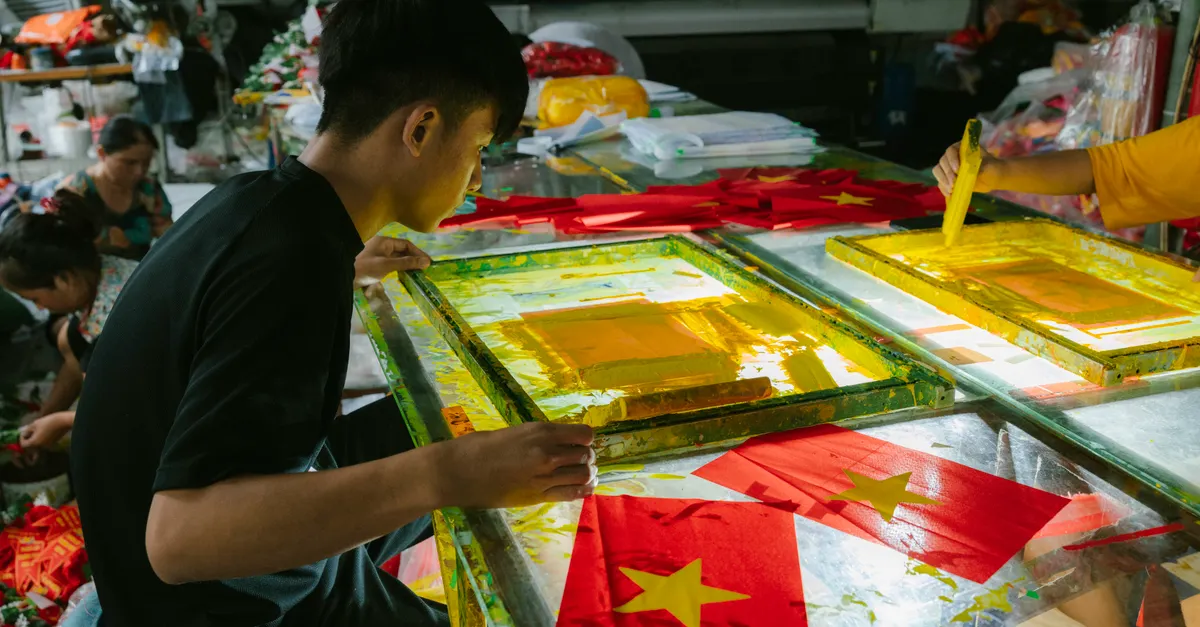
Adopting eco-friendly printing processes for textiles is a crucial step toward a more sustainable future for the fashion and textile industries. By choosing methods like DTG, sublimation, and digital printing, and by prioritizing eco-friendly inks and sustainable materials, manufacturers can significantly reduce their environmental impact. As technology advances and consumer awareness grows, the shift toward greener textile printing is set to accelerate, benefiting both the planet and the people who depend on it.
Frequently Asked Questions
What are the main benefits of using eco-friendly printing methods for textiles?
Eco-friendly printing methods reduce water and energy consumption, minimize chemical use, and lower waste generation. They also support safer working conditions and help brands meet sustainability goals.
How do eco-friendly inks differ from traditional inks in textile printing?
Eco-friendly inks are typically water-based or plant-based, contain fewer harmful chemicals, and produce less pollution. Traditional inks often rely on petroleum-based solvents and can release hazardous substances during production and disposal.
Which materials are best suited for sustainable textile printing?
Organic cotton, recycled polyester, bamboo, hemp, and specially engineered printable textiles are among the best options. These materials are renewable, require fewer resources to produce, and work well with eco-friendly inks.