3D printing has opened up new possibilities for creating custom objects, including items intended for direct contact with food. However, not all materials used in this process are suitable for such applications. Understanding which 3D printing materials for food safe prints are appropriate, as well as the regulations and best practices involved, is essential for anyone considering manufacturing items that will touch food. This article explores the key considerations, regulatory requirements, and material comparisons to help you make informed decisions about food safety in 3D printing.
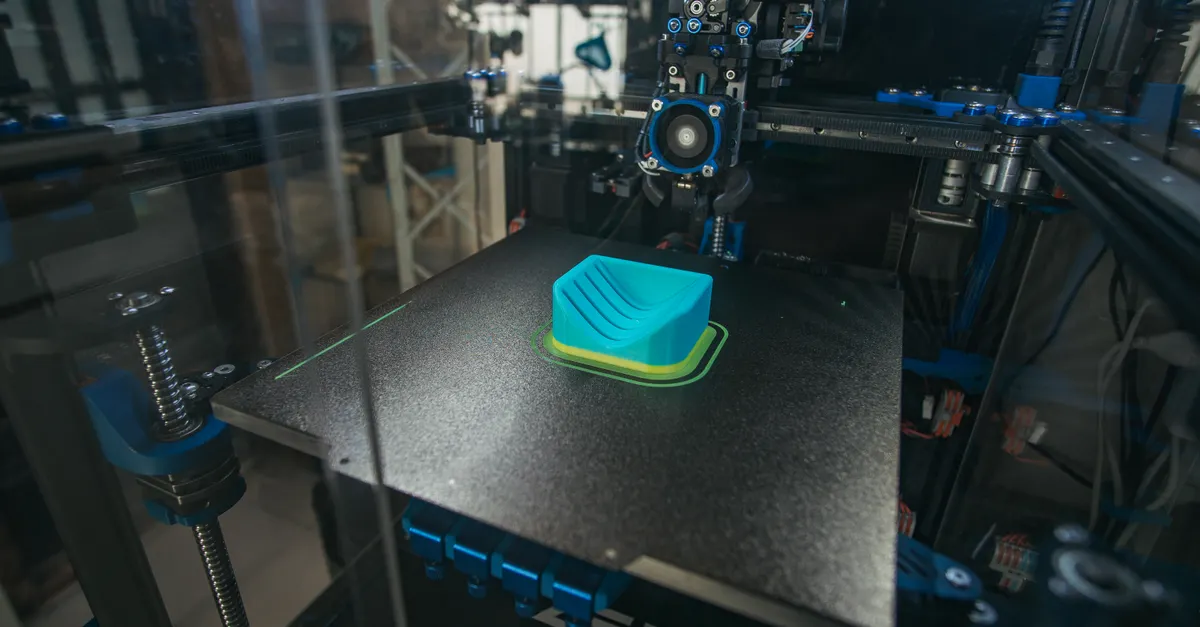
Defining Food Safe Materials in 3D Printing
When discussing food safety in 3D printing, it’s important to distinguish between food grade and food safe materials. A food grade material is one that meets specific regulatory standards for purity and composition, making it suitable for food contact in its raw form. In contrast, a food safe item is one that, after processing and manufacturing, remains safe for food contact and does not introduce harmful substances or contaminants.
For a material to be considered food safe in 3D printing, it must comply with recognized standards such as the FDA guidelines in the United States or EU Regulation 10/2011 in Europe. For example, igus® offers food-grade 3D printer filaments, SLS powder, and resin that are formulated with solid lubricants and are designed to comply with these regulations. However, compliance with these standards alone does not guarantee that a finished print will be food safe, as the printing process itself can introduce risks.
The difference between food grade and food safe is critical: a filament may be food grade, but if it is processed with a non-food safe printer or contaminated during handling, the final product may not be safe for food contact. Always consider both the material’s certification and the entire manufacturing process.
Regulatory Landscape for Food Safe 3D Printing
Ensuring the safety of 3D printed items intended for food contact requires a clear understanding of the regulatory framework. In the United States, the Food and Drug Administration (FDA) sets guidelines for materials that can be used safely with food. These guidelines specify which additives, colorants, and base polymers are acceptable. In the European Union, EU Regulation 10/2011 outlines similar requirements, focusing on the migration of substances from plastics into food.
Manufacturers of 3D printing materials may claim compliance with these regulations, but it is important to verify such claims and ensure that the specific filament, resin, or powder is certified for food contact. Additionally, food safe 3D printing involves more than just selecting compliant materials. The entire process—from storage and handling to the actual printing and post-processing—must be managed to avoid introducing toxic substances or creating surfaces that harbor bacteria.
For a more in-depth look at how packaging materials are evaluated for food safety, you might find the Food-Safe Packaging Materials Explained and Compared guide helpful, as it covers related regulatory and compliance topics.
Comparing 3D Printing Materials for Food Safe Prints
Choosing the right 3D printing materials for food safe prints involves understanding the properties and limitations of various options. Here’s a comparison of some commonly used materials:
- PLA (Polylactic Acid): PLA is a biodegradable plastic derived from renewable resources. Some PLA filaments are marketed as food safe, but not all meet regulatory requirements. PLA is relatively easy to print but can be susceptible to bacterial buildup due to its porous surface.
- PETG (Polyethylene Terephthalate Glycol): PETG is more resistant to chemicals and moisture than PLA and is often used for food containers. Certain PETG filaments are formulated to be food safe, but, as with PLA, certification and handling are crucial.
- SLA (Stereolithography) and Resin: Some resins, such as those from Formlabs and Siraya Tech, are specifically formulated for food contact and comply with FDA or EU standards. However, most general-purpose resins are not food safe, and post-processing is critical to remove any residual chemicals.
- SLS (Selective Laser Sintering) Powders: Materials like iglide® SLS powder are engineered for food contact and comply with both FDA and EU regulations. SLS prints tend to have a less porous surface, which can help reduce bacterial growth, but post-processing is still necessary.
- Other Specialty Filaments: Brands such as igus® offer filaments and powders specifically designed for food contact, often including solid lubricants and other additives to improve performance and compliance.
When evaluating materials, consider not only their regulatory status but also their mechanical properties, resistance to heat and chemicals, and ease of cleaning. The printing technology used (FDM, SLA, SLS) also affects the final surface quality and, consequently, food safety.
Best Practices for Food Safe 3D Printing
Even when using certified 3D printing materials for food safe prints, the way you handle and process your prints can significantly impact their safety. Here are some best practices to help maintain food safety:
- Use a Dedicated Printer: If possible, reserve a printer exclusively for food contact items to avoid cross-contamination with non-food safe materials.
- Maintain Clean Equipment: Regularly clean the printer, especially the nozzle and build plate, to prevent residue from previous prints contaminating new objects.
- Minimize Porosity: FDM prints are naturally porous, which can harbor bacteria. Consider post-processing techniques such as sanding, sealing with food safe epoxy, or using vapor smoothing (for compatible materials) to create a smoother, less absorbent surface.
- Avoid Toxic Additives: Some colorants and additives used in 3D printing materials are not food safe. Always verify that the specific filament or resin is free from harmful substances.
- Inspect for Damage: Cracks, chips, or other damage can compromise the food safety of a printed item. Discard any items that show signs of wear or damage.
It’s important to note that while these practices can reduce risks, they do not guarantee absolute safety. For critical applications, consider using professionally manufactured and certified products.
Conclusion: The Importance of Compliance and Material Choice
Selecting the right 3D printing materials for food safe prints is a complex process that involves more than just picking a filament or resin labeled as food grade. It requires a thorough understanding of regulatory requirements, careful evaluation of material properties, and strict adherence to best practices throughout the printing and post-processing stages. By prioritizing compliance and safety, you can reduce health risks and ensure that your 3D printed items are suitable for food contact.
Frequently Asked Questions
What is the difference between food grade and food safe in 3D printing?
Food grade refers to materials that meet specific regulatory standards for composition and purity, making them suitable for food contact in their raw form. Food safe means that the finished product, after processing and handling, remains safe for food contact and does not introduce harmful substances.
Are all PLA or PETG filaments food safe?
No, not all PLA or PETG filaments are food safe. Only those specifically formulated and certified for food contact should be used. Always check for compliance with FDA or EU standards and avoid filaments with unknown additives or colorants.
Can post-processing make a 3D printed item food safe?
Post-processing techniques such as sanding, sealing with food safe coatings, or vapor smoothing can help reduce surface porosity and the risk of bacterial buildup. However, these steps do not guarantee food safety if the base material or printing process introduces contaminants. Always prioritize certified materials and clean handling practices.