The dental industry has seen a rapid transformation with the adoption of 3D printing, enabling more precise, efficient, and customizable solutions for patients and professionals alike. As dental clinics and labs increasingly turn to additive manufacturing, understanding the 3D printing materials for dental applications becomes crucial. The choice of material not only impacts the quality and durability of dental devices but also affects cost, workflow efficiency, and patient outcomes. This guide explores the main categories of dental 3D printing materials, their properties, applications, and the factors that influence their selection.
Understanding 3D Printing in Dentistry
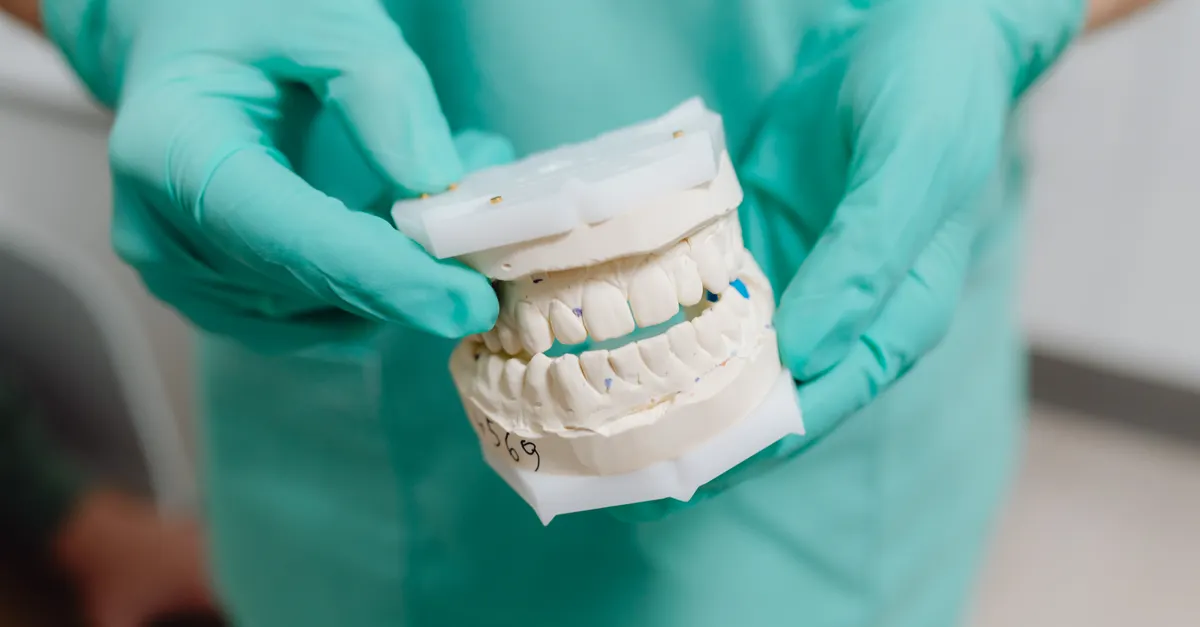
Additive manufacturing, commonly known as 3D printing, has become a cornerstone in modern dental practices. It involves creating three-dimensional objects layer by layer from digital models, allowing for the production of dental prosthetics, models, surgical guides, and aligners with remarkable accuracy. The technology offers significant benefits over traditional manufacturing, including reduced turnaround times, enhanced customization, and minimized waste. As a result, dental professionals can deliver better-fitting, more comfortable, and aesthetically pleasing solutions to patients.
Main Types of 3D Printing Materials Used in Dentistry
A wide range of 3D printing materials for dental applications are available, each tailored to specific clinical needs. The most commonly used categories include resins, ceramics, and composite materials. Ongoing research and development in additive manufacturing have led to continuous improvements in the performance and versatility of these materials.
- Resins: Photopolymer resins are widely used in dental 3D printing, especially for creating crowns, bridges, dentures, surgical guides, and orthodontic models. Dental resins can be engineered for high strength, flexibility, or biocompatibility, depending on their intended use. For example, some resins are specifically formulated for temporary restorations, while others are designed for long-term intraoral use.
- Ceramics: Ceramic-based materials, such as zirconia and alumina, are valued for their strength, biocompatibility, and natural tooth-like appearance. These materials are often used for permanent crowns, bridges, and veneers. While ceramic 3D printing is more complex and typically requires post-processing, it offers excellent esthetics and durability.
- Composite Materials: Composites combine the advantages of polymers and ceramics, offering a balance between strength, flexibility, and ease of printing. They are suitable for a variety of dental applications, including provisional restorations and splints.
Other materials, such as metals (e.g., cobalt-chrome alloys) and waxes, are also used in specific dental 3D printing processes, particularly for frameworks and casting patterns. The choice of material depends on the clinical indication, required properties, and the printing technology being used.
Properties and Benefits of Dental 3D Printing Materials
The effectiveness of 3D printing materials for dental applications is largely determined by their physical, mechanical, and biological properties. Here are some of the key attributes and benefits associated with the main material types:
- Biocompatibility: Materials intended for intraoral use must be safe for contact with oral tissues. Dental resins and ceramics are often certified as biocompatible, minimizing the risk of allergic reactions or toxicity.
- Mechanical Strength: Crowns, bridges, and dentures require materials that can withstand biting forces and daily wear. Ceramics and certain reinforced resins offer high strength and fracture resistance.
- Precision and Detail: Dental 3D printing materials are engineered to capture fine anatomical details, which is essential for accurate fit and function. High-resolution resins are particularly well-suited for models and surgical guides.
- Esthetics: The ability to match the natural color and translucency of teeth is important for patient satisfaction. Ceramics and some advanced resins provide excellent esthetic results.
- Processing Speed: Some materials cure or sinter faster than others, impacting the overall efficiency of the dental workflow.
- Ease of Post-Processing: Materials that require minimal finishing or polishing help reduce labor and turnaround time.
Selecting the right material involves balancing these properties according to the clinical requirements and the capabilities of the available 3D printing system.
Recent Advancements in Dental 3D Printing Materials
The field of dental additive manufacturing is advancing rapidly, with new materials and formulations being introduced to address evolving clinical needs. Research continues to focus on improving the strength, esthetics, and biocompatibility of printable dental materials, as well as optimizing the parameters for their use in various 3D printing technologies.
Some of the latest developments include:
- High-Performance Resins: New generations of photopolymer resins offer improved durability and flexibility, making them suitable for long-term dental appliances.
- Hybrid and Nanocomposite Materials: These materials incorporate nanoparticles or fibers to enhance mechanical properties and wear resistance.
- Improved Ceramic Printing: Advances in ceramic 3D printing have led to better control over microstructure and esthetics, expanding the range of permanent dental restorations that can be produced.
- Bioactive Materials: Some experimental materials are designed to promote tissue integration or release therapeutic agents, opening new possibilities for regenerative dentistry.
As research in additive manufacturing continues, dental professionals can expect even more options and improved performance from future materials.
Comparing Cost and Efficiency of Dental 3D Printing Materials
When evaluating 3D printing materials for dental applications, cost and efficiency are critical factors that influence both clinical outcomes and business operations. While technical specifications and biocompatibility are essential, the practical aspects of material selection can significantly affect the profitability and scalability of dental practices.
Material Costs
The price of dental 3D printing materials varies widely depending on the type, quality, and intended use. For example, standard model resins are generally less expensive than biocompatible or high-performance resins designed for permanent restorations. Ceramic powders and composite materials tend to be priced higher due to their advanced properties and processing requirements.
- Resins: Typically the most cost-effective for models and temporary devices, but specialized resins for permanent use command higher prices.
- Ceramics: Higher upfront material costs, but offer long-term durability and esthetics for permanent restorations.
- Composites: Priced between resins and ceramics, offering a balance of cost and performance.
Bulk purchasing, supplier agreements, and printer compatibility can also influence the overall material cost.
Operational Efficiency
Efficiency encompasses not just the speed of printing, but also ease of handling, post-processing requirements, and waste minimization. Materials that print quickly, require minimal finishing, and have high yield rates contribute to a more streamlined workflow.
- Fast-Curing Resins: Reduce turnaround time for dental models and appliances, allowing for same-day or next-day delivery.
- Ceramics: Require additional post-processing (such as sintering), which can extend production time but may be justified by the superior final product.
- Composites: Often require less finishing than ceramics and can be processed efficiently, making them suitable for high-volume practices.
Choosing the right material involves weighing the cost per unit, processing time, and the specific needs of the dental application. For practices focused on high-throughput production, materials that offer both affordability and speed are especially valuable.
For those interested in broader material options beyond dentistry, exploring 3D printing materials for high temperature applications can provide insights into specialized solutions for other industries.
Conclusion: Selecting the Best Material for Dental 3D Printing
The choice of 3D printing materials for dental applications is a key factor in achieving successful clinical and operational outcomes. With a growing array of resins, ceramics, and composites available, dental professionals must consider not only the technical properties but also the cost and efficiency of each option. Staying informed about advancements in material science and additive manufacturing ensures that dental practices can offer high-quality, cost-effective, and patient-centered care. As the technology continues to evolve, the ability to select the optimal material for each case will remain a cornerstone of modern digital dentistry.
Frequently Asked Questions
What are the most common 3D printing materials used in dental practices?
The most widely used materials include photopolymer resins for models and temporary restorations, ceramics such as zirconia for permanent crowns and bridges, and composite materials for provisional devices. Each material is chosen based on its specific properties and intended application.
How do I choose the right 3D printing material for a dental application?
Consider the clinical requirements (such as strength, biocompatibility, and esthetics), the type of restoration or appliance needed, and the capabilities of your 3D printer. Cost and workflow efficiency are also important factors when selecting a material.
Are 3D printed dental materials safe for patients?
Yes, materials intended for intraoral use are typically certified as biocompatible and undergo rigorous testing to ensure safety. Always verify that the material you select meets regulatory standards for dental use.