The world of 3D printed furniture design is rapidly evolving, offering designers, manufacturers, and consumers new possibilities for creativity, efficiency, and sustainability. By leveraging advanced additive manufacturing, it’s now possible to create furniture pieces with complex geometries, custom features, and reduced material waste—capabilities that were unimaginable with traditional methods. This article explores the latest techniques, materials, and trends shaping this exciting field, and provides practical insights for anyone interested in the intersection of design and technology.
As digital fabrication becomes more accessible, the boundaries of what can be produced are expanding. Whether you’re a designer looking to prototype unique pieces, a business exploring on-demand production, or simply curious about the future of furniture, understanding how 3D printing is transforming the industry is essential. For those interested in related innovations in textiles, you may also find value in learning what is soft hand feel in garment printing and how it’s achieved in modern garment production.
How Additive Manufacturing Is Shaping Modern Furniture
Additive manufacturing, commonly known as 3D printing, has introduced a paradigm shift in furniture production. Unlike subtractive methods, where material is cut away from a solid block, 3D printing builds objects layer by layer. This approach allows for intricate designs, precise customization, and efficient use of materials.
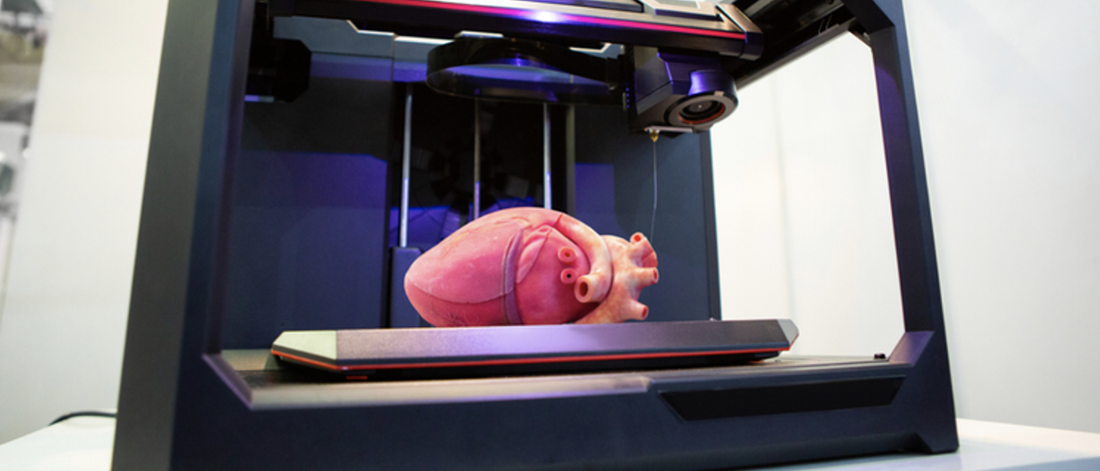
The process starts with a digital model, which is sliced into thin layers by specialized software. The printer then deposits material—often plastic, resin, or even metal—according to the design. This technique enables the creation of organic shapes, lattice structures, and lightweight forms that would be difficult or impossible to achieve with conventional manufacturing.
For those interested in the technical details, this guide on how 3D printers work provides a thorough explanation of the underlying technology.
Materials and Methods in 3D Printed Furniture
The choice of material is crucial in 3D printed furniture design. Designers can select from a range of options, each with its own properties and advantages:
- PLA and ABS Plastics: Commonly used for prototypes and lightweight furniture. These thermoplastics are affordable and easy to print, though they may lack the durability of other materials.
- Resins: Offer smooth finishes and high detail, making them ideal for decorative elements and intricate parts. Resin-based printing is popular for smaller, high-quality pieces.
- Composites: Materials infused with wood fibers, carbon, or glass can enhance strength and aesthetics. These composites are increasingly used for structural components and unique textures.
- Metals: Though less common due to cost and complexity, metal 3D printing is emerging for high-end, durable furniture and hardware.
The method chosen—such as Fused Deposition Modeling (FDM), Stereolithography (SLA), or Selective Laser Sintering (SLS)—also impacts the final product. Each technology has its strengths, from speed and affordability to precision and surface quality.
Design Freedom and Customization in Digital Fabrication
One of the most significant advantages of digital fabrication in furniture is the freedom it offers designers. Complex curves, interlocking components, and organic forms are now achievable without the constraints of traditional joinery or tooling. This opens up new avenues for creativity and personalization.
Customization is another key benefit. With digital files, it’s easy to adjust dimensions, colors, or structural features to meet individual needs. This flexibility supports on-demand production, reducing inventory costs and enabling rapid prototyping. For businesses, it means the ability to respond quickly to trends and customer preferences.
The rise of parametric design tools further enhances this capability. Designers can create adaptable models that change shape or function based on user input, making bespoke furniture more accessible than ever.
Sustainability and Efficiency in 3D Furniture Production
Environmental impact is a growing concern in the furniture industry. Additive manufacturing addresses several sustainability challenges:
- Reduced Waste: Material is deposited only where needed, minimizing scrap and offcuts.
- Local Production: Furniture can be printed near the point of use, lowering transportation emissions and supporting local economies.
- Recyclable Materials: Many 3D printing filaments are recyclable or made from renewable sources, further reducing the carbon footprint.
These efficiencies align with broader trends in sustainable design and responsible manufacturing. For those interested in how similar principles are applied in the fashion industry, the benefits of micro-factory models for fashion printing provide a compelling parallel.
Challenges and Considerations in 3D Printed Furniture Projects
While the benefits are substantial, there are also challenges to consider when adopting these modern production techniques:
- Material Limitations: Not all materials are suitable for load-bearing or outdoor use. Designers must carefully select materials based on the intended function.
- Print Size Constraints: Large furniture pieces may require modular construction or access to industrial-scale printers.
- Surface Finish: 3D printed surfaces can be rough or require post-processing for a polished appearance.
- Cost: While prototyping is often affordable, large-scale production can be expensive depending on the technology and materials used.
Addressing these challenges requires a thoughtful approach to design, material selection, and production planning. As the technology matures, many of these barriers are being reduced, making 3D printed furniture design increasingly viable for both custom and commercial applications.
Applications and Future Trends in Additive Furniture Manufacturing
The applications of digital fabrication in furniture are expanding rapidly. Some notable trends include:
- Custom Home Furnishings: Designers and homeowners are using 3D printing to create one-of-a-kind chairs, tables, and decor tailored to specific spaces.
- Commercial and Hospitality: Hotels, restaurants, and offices are adopting bespoke 3D printed pieces for unique branding and functionality.
- Collaborative Design: Online platforms allow users to co-create and personalize furniture designs before printing locally or on demand.
- Integration with Other Technologies: Combining 3D printing with CNC machining, robotics, or smart materials is opening new possibilities for hybrid furniture solutions.
As additive manufacturing becomes more mainstream, expect to see increased use of sustainable materials, larger format printers, and more seamless integration with digital design tools. The future of furniture is likely to be more flexible, efficient, and responsive to individual needs.
FAQ
What are the main advantages of using 3D printing in furniture design?
The primary benefits include design flexibility, rapid prototyping, reduced material waste, and the ability to create custom or complex forms that are difficult with traditional manufacturing. Additionally, digital fabrication supports on-demand production and can lower transportation costs by enabling local manufacturing.
Are 3D printed furniture pieces as durable as traditionally made furniture?
Durability depends on the materials and printing methods used. While some 3D printed plastics are best suited for decorative or lightweight applications, advances in composites and metal printing are making it possible to produce robust, long-lasting furniture suitable for everyday use.
How does 3D printed furniture contribute to sustainability?
Additive manufacturing minimizes waste by using only the necessary material, supports the use of recycled or renewable resources, and allows for local production, which reduces the environmental impact of shipping and storage. These factors contribute to a more sustainable approach to furniture making.
Can I design and print my own furniture at home?
Yes, with the right equipment and design software, individuals can create and print custom furniture pieces. Entry-level printers are suitable for smaller items or prototypes, while larger or more complex pieces may require access to professional or industrial printers.
For more on related printing techniques and their benefits, explore topics like benefits of direct to film for small fashion labels or what is embroidery vs printing for brand logos to see how digital innovation is transforming other industries as well.