“`html
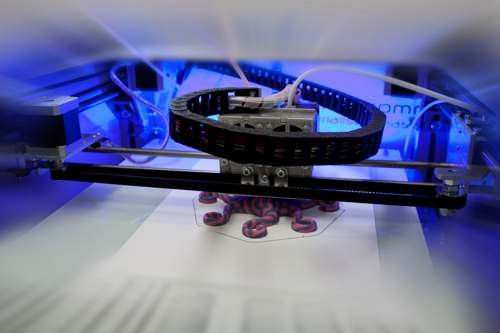
The world of electronics is undergoing a transformation with the advent of 3D printed circuits. This technology is revolutionizing how electronic components are designed and manufactured, offering unprecedented flexibility and efficiency. By using additive manufacturing techniques, these circuits can be created with complex geometries that were previously impossible or too costly to produce using traditional methods.
As we delve into this guide, we’ll explore the benefits and challenges of this cutting-edge technology. For those interested in related topics, you might find our article on how to clean screen printing meshes insightful.
Understanding the Basics of Additive Manufacturing
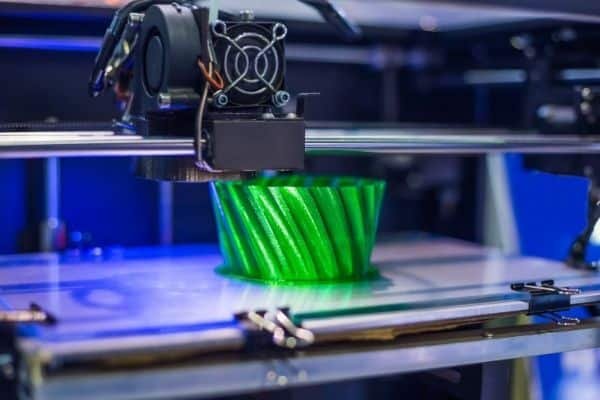
Additive manufacturing, commonly known as 3D printing, involves creating objects by adding material layer by layer. This contrasts with traditional subtractive manufacturing, where material is removed to achieve the desired shape. In the context of electronics, this means that 3D printed circuits can be fabricated with intricate designs that enhance functionality and reduce waste.
Advantages of 3D Printed Electronics
The benefits of using 3D printing in electronics are numerous. Firstly, it allows for rapid prototyping, enabling designers to quickly test and iterate their designs. This accelerates the development process and reduces time to market. Additionally, the ability to print on demand reduces inventory costs and minimizes waste, as only the necessary amount of material is used.
Moreover, 3D printed circuits can be customized to meet specific requirements, offering greater design flexibility. This is particularly beneficial for creating complex shapes and integrating multiple functions into a single component. For more insights into printing technologies, check out our guide to sublimation vs direct to film printing.
Challenges in Implementing 3D Printed Circuits
Despite the advantages, there are challenges to consider when implementing this technology. One significant hurdle is the cost of 3D printers and materials, which can be prohibitive for small businesses or hobbyists. Additionally, the technology is still evolving, and there may be limitations in terms of material properties and resolution compared to traditional manufacturing methods.
Another challenge is the need for specialized knowledge and skills to design and operate 3D printers effectively. This can require significant investment in training and development for companies looking to adopt this technology. For those interested in the broader implications of 3D printing, this article provides an excellent overview.

The Future of Electronics Manufacturing
Looking ahead, the potential for 3D printed circuits in electronics manufacturing is vast. As the technology matures, we can expect improvements in material diversity, printing speed, and resolution. This will open up new possibilities for innovation in various industries, from consumer electronics to aerospace and medical devices.
Furthermore, as more companies adopt 3D printing, economies of scale will drive down costs, making the technology more accessible. This democratization of manufacturing could lead to a surge in creativity and entrepreneurship, as individuals and small businesses gain the tools to bring their ideas to life.
FAQs
What are 3D printed circuits?
3D printed circuits are electronic circuits created using additive manufacturing techniques, allowing for complex and customized designs.
What are the benefits of using 3D printing in electronics?
The benefits include rapid prototyping, reduced waste, customization, and the ability to create complex geometries that enhance functionality.
What challenges do 3D printed circuits face?
Challenges include high costs, the need for specialized skills, and current limitations in material properties and resolution compared to traditional methods.
“`