The fusion of nanotechnology in 3D printing is reshaping the landscape of advanced manufacturing. By leveraging materials and processes at the nanoscale, this combination enables the creation of objects with unprecedented accuracy, strength, and functionality. Whether for medical devices, electronics, or aerospace components, the integration of nanoscale materials with additive manufacturing is opening new possibilities for innovation and product performance.
As this technology evolves, understanding its principles and applications becomes essential for engineers, designers, and anyone interested in the future of fabrication. This article explores the fundamentals, practical uses, and key considerations for working with nanoscale materials in additive manufacturing. For those interested in post-production techniques, learning about sanding and finishing 3D prints can further enhance the quality of your projects.
Understanding the Role of Nanomaterials in Additive Manufacturing
At its core, nanotechnology involves manipulating matter at dimensions between approximately 1 and 100 nanometers. When these materials are incorporated into 3D printing processes, they can dramatically enhance the properties of printed objects. Nanoparticles, nanotubes, and nanocomposites are just a few examples of materials that bring unique electrical, mechanical, and thermal characteristics to the table.
For instance, adding carbon nanotubes to polymers can create lightweight yet extremely strong components. Metallic nanoparticles can improve conductivity for printed electronics, while ceramic nanomaterials can boost heat resistance for parts exposed to extreme environments. The ability to fine-tune material properties at the molecular level is what sets this approach apart from traditional additive manufacturing.
How Nanoscale Precision Is Achieved in 3D Printing
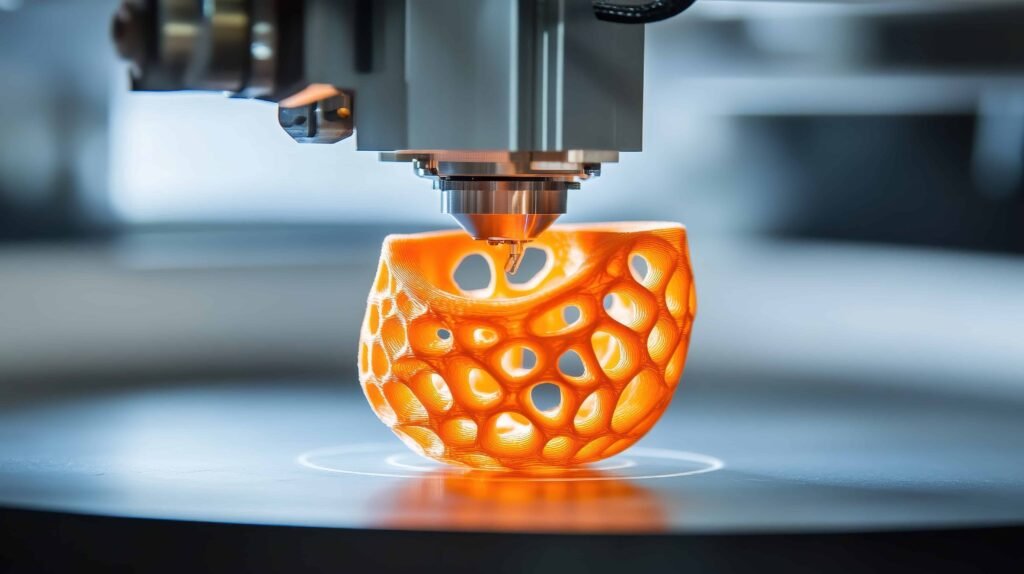
Achieving micro-level accuracy requires both advanced hardware and carefully engineered materials. Specialized printers, such as those using two-photon polymerization or electrohydrodynamic jet printing, are capable of producing features smaller than a micron. These machines deposit or cure material layer by layer, guided by digital models with nanoscale resolution.
The choice of feedstock is equally important. Nanocomposite filaments, resins, or powders must be uniformly dispersed to prevent clumping and ensure consistent properties throughout the printed object. This often involves surface treatments or the use of dispersing agents to keep nanoparticles evenly distributed.
Key Applications of Nanotechnology in Additive Manufacturing
The impact of nanoscale engineering in 3D printing is visible across a range of industries. Some of the most notable applications include:
- Medical Devices and Implants: Nanoscale features can improve biocompatibility, promote cell adhesion, and enable the creation of drug-delivery systems embedded within printed structures.
- Flexible Electronics: Incorporating conductive nanoparticles into printable inks allows for the fabrication of sensors, antennas, and circuit boards directly onto flexible substrates.
- Aerospace Components: Lightweight nanocomposites deliver high strength-to-weight ratios, vital for parts used in aircraft and spacecraft.
- Energy Storage: 3D-printed batteries and supercapacitors benefit from nanostructured electrodes, which increase surface area and improve performance.
These examples highlight how nanoscale engineering is not just about making things smaller, but about fundamentally enhancing the capabilities and functions of printed objects.
Benefits and Challenges of Micro-Scale Additive Manufacturing
The advantages of combining nanotechnology with 3D printing are significant. Enhanced material properties, improved resolution, and the ability to create multifunctional parts are just a few of the benefits. However, there are also challenges to consider:
- Material Handling: Nanoparticles can be difficult to disperse and may pose health risks if not handled properly.
- Equipment Costs: Printers capable of nanoscale precision are often more expensive and require specialized maintenance.
- Quality Control: Ensuring consistent properties throughout a printed part is more complex at the nanoscale.
- Post-Processing: Finishing techniques such as post processing 3D prints or painting 3D printed models may require adaptation for nano-enhanced materials.
Addressing these challenges is crucial for scaling up production and ensuring the reliability of nano-enabled printed products.
How to Get Started with Nano-Enhanced 3D Printing
For those interested in experimenting with nanoscale materials in additive manufacturing, a few practical steps can help ensure success:
- Choose the Right Printer: Select equipment capable of high-resolution printing and compatible with nano-enhanced materials. Researching how 3D printers work can provide valuable insights into the technology and help you make informed decisions.
- Select Suitable Materials: Look for filaments, resins, or powders that incorporate nanoparticles or nanofibers. Ensure they are well-dispersed and compatible with your printer.
- Optimize Print Settings: Fine-tune parameters such as temperature, speed, and layer height to achieve the best results with your chosen materials.
- Implement Proper Safety Measures: Handle nanomaterials in well-ventilated areas and use appropriate protective equipment to minimize exposure risks.
- Refine Post-Processing: Adapt finishing techniques to accommodate the unique properties of nano-enhanced parts. Resources on how to prevent warping in prints can be particularly helpful for maintaining dimensional accuracy.
Future Trends and Innovations in Micro-Scale Fabrication
The intersection of nanotechnology and 3D printing is a rapidly evolving field. Researchers are developing new types of nanomaterials, such as self-healing polymers and smart composites, that respond to environmental stimuli. Advances in printer technology are making it possible to fabricate even more intricate structures, with applications ranging from tissue engineering to quantum computing.
As the technology matures, expect to see greater integration of artificial intelligence and machine learning for process optimization and quality control. This will further enhance the precision, repeatability, and scalability of nano-enabled additive manufacturing.
Frequently Asked Questions
What are the main advantages of using nanomaterials in 3D printing?
Nanomaterials can significantly improve the mechanical, electrical, and thermal properties of printed objects. They enable the creation of lighter, stronger, and more functional parts, which is especially valuable in industries like aerospace, healthcare, and electronics.
Are there any safety concerns when working with nanoscale materials?
Yes, handling nanoparticles requires caution. They can be inhaled or absorbed through the skin, so it’s important to use protective equipment and work in well-ventilated spaces. Always follow manufacturer guidelines for safe handling and disposal.
How does nanoscale printing differ from traditional 3D printing?
While traditional 3D printing typically works at the millimeter or micron scale, nanoscale printing allows for features and structures as small as a few nanometers. This enables higher resolution, improved material properties, and new functionalities not possible with conventional methods.
Can I use nano-enhanced materials with a standard desktop 3D printer?
Some nano-infused filaments and resins are compatible with consumer-grade printers, but achieving true nanoscale precision usually requires specialized equipment. Always check material compatibility and printer specifications before starting a project.