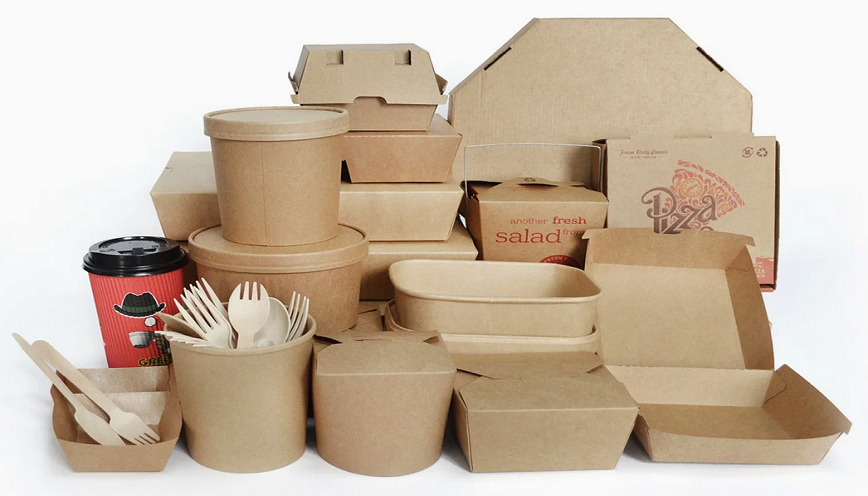
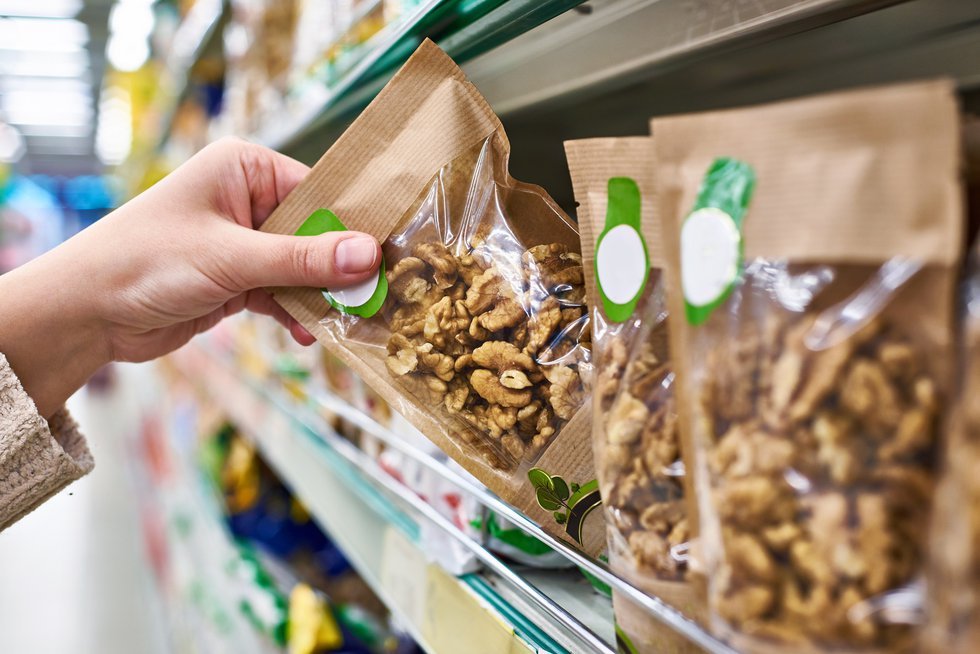
Ensuring food safety is a top priority for manufacturers, suppliers, and consumers alike. One of the most effective ways to guarantee the safety and quality of packaged foods is by adhering to internationally recognized standards. ISO standards for food-safe packaging provide a framework for businesses to minimize risks, maintain compliance, and build trust with customers. Understanding these guidelines is essential for anyone involved in the food packaging industry.
Whether you are a packaging supplier, a food producer, or simply interested in how your food is kept safe, learning about these regulations can help you make informed decisions. For those seeking more details on specific types of packaging, our resource on food-safe packaging wraps offers additional insights into materials and compliance.

Understanding International Guidelines for Food Packaging
The International Organization for Standardization (ISO) develops and publishes a wide range of standards that impact the food industry. These guidelines are designed to ensure that packaging materials do not compromise food safety or quality. By following ISO standards for food-safe packaging, companies can demonstrate their commitment to consumer health and regulatory compliance.
ISO standards are voluntary, but many countries adopt them as part of their national regulations. They cover everything from manufacturing processes and material selection to hygiene practices and traceability. This global approach helps create consistency and reliability across supply chains, making it easier for businesses to operate internationally.
Key ISO Standards Relevant to Food Packaging Safety
Several ISO standards directly address the safety of packaging used for food products. The most notable include:
- ISO 22000: Focuses on food safety management systems, helping organizations identify and control food safety hazards throughout the supply chain.
- ISO 22002-4: Provides specific requirements for the manufacturing of food packaging, including hygiene, contamination prevention, and traceability.
- ISO 9001: While not specific to food, this quality management standard ensures consistent processes and product quality, which is crucial for packaging safety.
- ISO 18602: Addresses the optimization of packaging systems, including minimizing environmental impact and ensuring safe material use.
Adhering to these standards helps companies avoid contamination, maintain product integrity, and meet both legal and customer expectations.
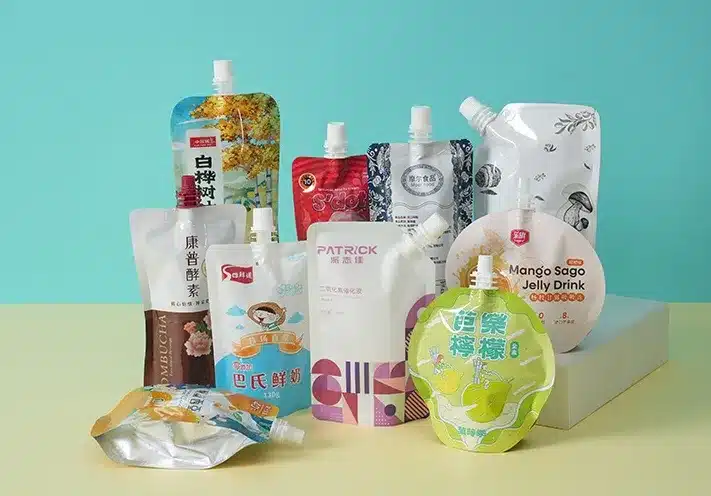
How ISO Standards Impact Food Packaging Materials
The choice of materials is a critical aspect of food packaging safety. ISO guidelines require that all substances in contact with food are non-toxic, non-reactive, and suitable for their intended use. This includes plastics, metals, paper, glass, and composite materials.
Manufacturers must also ensure that their materials do not transfer harmful chemicals, odors, or flavors to the food. Regular testing and documentation are required to verify compliance. For a deeper look at material requirements, the guide to food-grade packaging materials requirements outlines the necessary criteria for safe packaging choices.
In addition, ISO standards encourage the use of sustainable and recyclable materials wherever possible, aligning food safety with environmental responsibility.
Implementing ISO-Compliant Packaging Processes
Achieving compliance with ISO standards for food-safe packaging involves more than just selecting the right materials. Companies must establish robust processes for manufacturing, handling, and storing packaging products. This includes:
- Maintaining strict hygiene in production areas
- Training staff on food safety protocols
- Documenting procedures and traceability systems
- Regularly auditing and reviewing processes
By embedding these practices into daily operations, businesses can reduce the risk of contamination and demonstrate their commitment to quality.

Benefits of Adopting International Food Packaging Standards
There are several advantages to following internationally recognized food packaging standards:
- Consumer Confidence: Shoppers are more likely to trust brands that prioritize food safety and quality.
- Market Access: Many retailers and distributors require suppliers to demonstrate compliance with recognized standards.
- Risk Reduction: Adhering to ISO guidelines minimizes the chances of contamination, recalls, and legal issues.
- Operational Efficiency: Standardized processes lead to better resource management and less waste.
- Continuous Improvement: Regular audits and reviews encourage ongoing enhancements in safety and quality.
For businesses looking to expand their product range, exploring options like food-safe packaging boxes or food-safe packaging bags can help meet diverse customer needs while staying compliant.
Challenges in Meeting ISO Packaging Requirements
While the benefits are clear, achieving and maintaining compliance with international packaging standards can be challenging. Common obstacles include:
- Keeping up with evolving regulations and updates to ISO standards
- Investing in new equipment or technology to meet stricter requirements
- Training staff and ensuring consistent implementation across all locations
- Managing documentation and audit processes efficiently
Overcoming these hurdles requires a proactive approach, ongoing education, and a commitment to continuous improvement. Partnering with reliable food-safe packaging suppliers can also make it easier to source compliant materials and stay updated on best practices.
FAQs About ISO-Compliant Food Packaging
What is the purpose of ISO standards in food packaging?
The main goal is to ensure that packaging materials and processes protect food from contamination, maintain product quality, and comply with international safety regulations. These standards help businesses demonstrate their commitment to consumer health and regulatory requirements.
Are ISO standards mandatory for all food packaging companies?
While ISO standards are voluntary, many countries incorporate them into national laws, and many retailers require suppliers to comply. Following these guidelines is often essential for accessing global markets and building trust with customers.
How can a company become ISO certified for food packaging?
To achieve certification, a company must implement the relevant ISO standards, document its processes, and undergo an audit by an accredited certification body. Ongoing compliance is maintained through regular reviews and updates to procedures.
Conclusion: Staying Ahead with Safe Packaging Practices
Adhering to ISO standards for food-safe packaging is a key step for any business aiming to protect consumers and succeed in a competitive market. By understanding and implementing these international guidelines, companies can ensure their products are safe, compliant, and trusted by customers worldwide. For more on specialized solutions, see our guide to food-safe packaging liners and how they contribute to overall packaging safety.