Launching a fashion printing business opens the door to creative entrepreneurship and the fast-evolving world of custom apparel. Whether you want to print t-shirts, dresses, scarves, or other garments, understanding the process and market is essential for long-term success. This guide will walk you through the essential steps, from planning and equipment selection to marketing and scaling your operation.
The textile printing industry is growing rapidly, fueled by demand for unique, personalized clothing and the rise of e-commerce. With the right approach, you can carve out a profitable niche and build a brand that stands out. Before diving into the technical details, it’s important to learn about different printing methods and the specific requirements for working with fabrics. If you’re interested in specialized techniques, our guide to dye sublimation printing on polyester provides practical tips for working with synthetic materials.
Understanding the Fashion Printing Industry
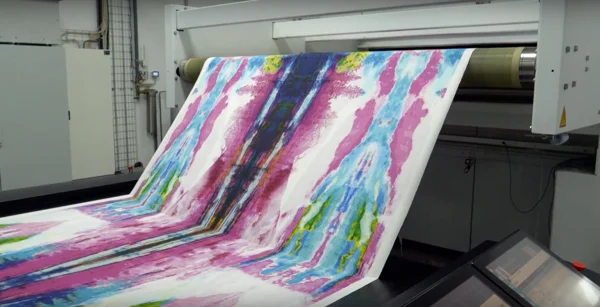
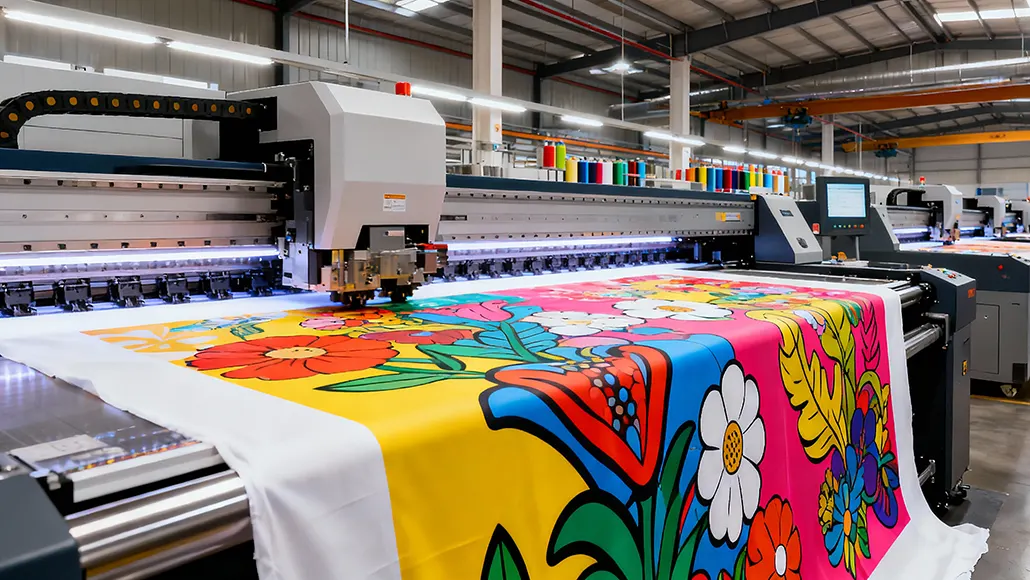
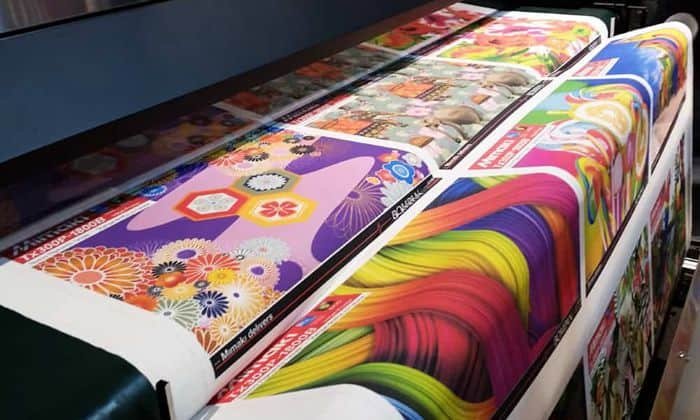
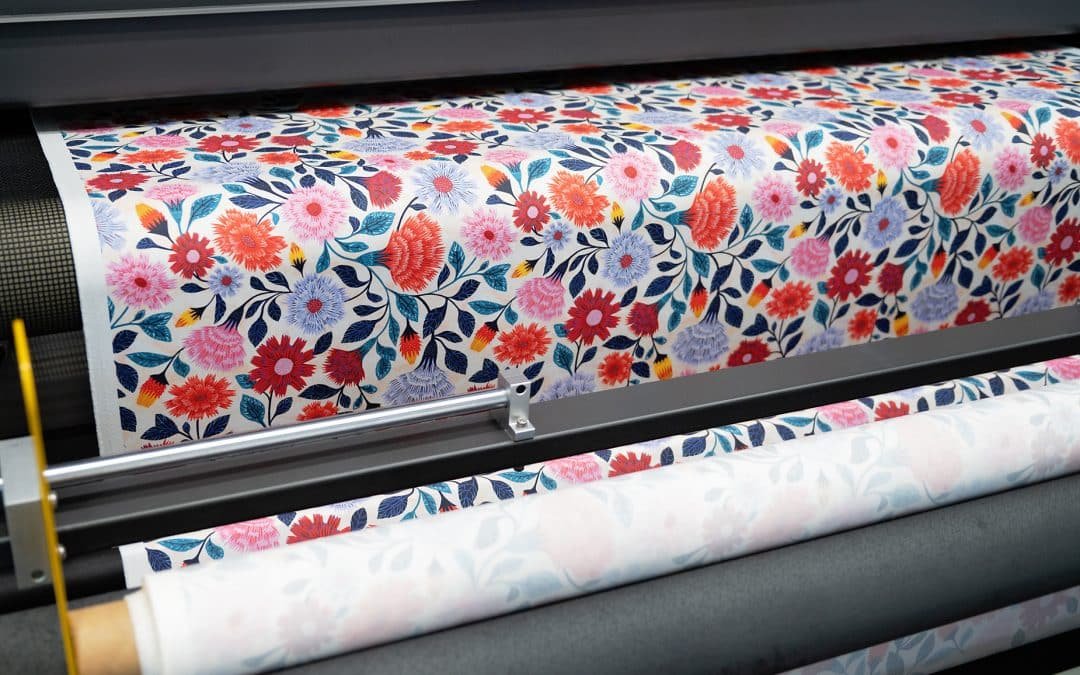
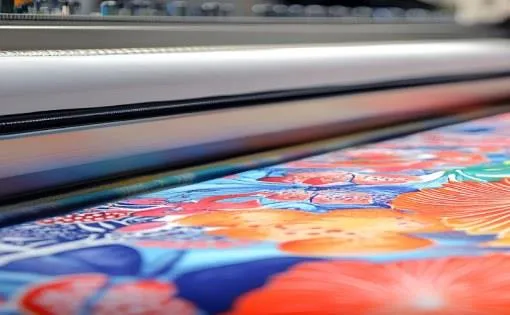
The apparel decoration sector encompasses a range of printing techniques, each suited to different fabrics and design needs. Digital textile printing, screen printing, heat transfer, and dye sublimation are among the most popular. Each method has its own equipment requirements, cost structures, and production capabilities.
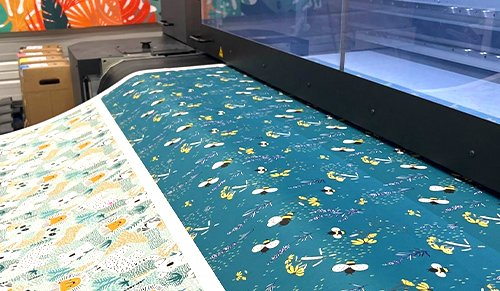
Digital textile printing is especially popular for short runs and intricate designs, offering flexibility and fast turnaround. For a deeper dive into the technology, you can explore this comprehensive overview of digital textile printing.
Steps to Launch Your Apparel Printing Venture
1. Research and Develop Your Business Plan
Begin by analyzing your target market. Are you aiming for local boutiques, online shoppers, or corporate clients? Identify what types of garments and designs are in demand. A solid business plan should outline your niche, pricing strategy, startup costs, and projected revenue. Don’t forget to research your competition and consider what will set your brand apart.
2. Choose the Right Printing Method
Selecting the appropriate printing technique is crucial. Here’s a quick overview of common options:
- Screen Printing: Ideal for bulk orders and simple designs, but setup can be time-consuming.
- Direct-to-Garment (DTG): Great for detailed, colorful prints on cotton fabrics and small batches.
- Dye Sublimation: Best for polyester and synthetic blends, producing vibrant, durable prints.
- Heat Transfer: Versatile and suitable for small runs, but may not be as durable as other methods.
Your choice will influence your equipment investment, production speed, and the types of products you can offer.
3. Secure Equipment and Supplies
Once you’ve chosen your printing method, invest in reliable machinery and quality supplies. For example, screen printing requires screens, inks, and a curing system, while DTG needs a specialized printer and pre-treatment solution. Don’t overlook essentials like computers, design software, and workspace ventilation.
Building relationships with reputable suppliers ensures you have consistent access to blank garments, inks, and other materials. Consider starting small and scaling up as demand grows.
4. Register Your Business and Handle Legal Requirements
Register your company with the appropriate local or national authorities. Obtain any necessary licenses or permits, and make sure you comply with zoning, safety, and environmental regulations. If you plan to hire employees, familiarize yourself with labor laws and insurance requirements.
5. Build Your Brand and Online Presence
Create a memorable brand identity, including a logo, color palette, and consistent messaging. A professional website is essential for showcasing your products, processing orders, and building credibility. Incorporate high-quality images of your work, customer testimonials, and clear contact information.
Social media platforms like Instagram, Facebook, and Pinterest are powerful tools for reaching fashion-conscious consumers. Share behind-the-scenes content, new designs, and customer stories to engage your audience.
Production Workflow and Quality Control
Establishing a smooth production process is key to meeting deadlines and maintaining quality. Develop a workflow that covers order intake, design approval, printing, curing, and packaging. Implement quality control checks at each stage to catch errors early and ensure customer satisfaction.
Marketing and Growing Your Printing Company
Attracting customers requires a mix of online and offline strategies. Consider these approaches:
- SEO and Content Marketing: Optimize your website for relevant keywords, such as “custom t-shirt printing” or “printed apparel near me.” Share blog posts about trends, care tips, or the benefits of different printing methods.
- Social Proof: Encourage satisfied customers to leave reviews and share photos of their purchases.
- Local Partnerships: Collaborate with local businesses, schools, or events to expand your reach.
- Paid Advertising: Use targeted ads on Google or social media to reach specific demographics.
As your business grows, consider expanding your product line, offering design services, or exploring wholesale opportunities. Stay updated on industry trends and new technologies to keep your offerings fresh and competitive.
Common Challenges and How to Overcome Them
Starting an apparel printing company comes with its share of hurdles. Common challenges include:
- Managing Inventory: Avoid overstocking by starting with small batches and monitoring sales trends.
- Ensuring Print Quality: Regularly maintain your equipment and test new materials before full production runs.
- Standing Out: Focus on unique designs, excellent customer service, and fast turnaround times to differentiate your brand.
- Scaling Production: When demand increases, consider automating parts of your workflow or outsourcing certain tasks.
Frequently Asked Questions
What is the best printing method for new fashion businesses?
The ideal technique depends on your target market and product range. Direct-to-garment (DTG) and screen printing are popular for startups due to their versatility and scalability. DTG is excellent for small orders and detailed graphics, while screen printing is cost-effective for larger runs.
How much does it cost to start an apparel printing company?
Startup costs vary based on your chosen printing method, equipment quality, and scale. A small home-based operation can begin with a few thousand dollars, while a fully equipped shop may require $10,000–$50,000 or more. Factor in expenses for equipment, supplies, website development, and initial marketing.
Do I need design skills to run a fashion printing business?
While design skills are helpful, they are not mandatory. Many entrepreneurs use freelance designers or purchase ready-made graphics. However, understanding basic design principles and file preparation will help you communicate effectively with clients and ensure high-quality results.