Creating a tech pack is a foundational step for anyone looking to produce custom printed textiles, whether for fashion, home décor, or promotional products. A well-prepared tech pack acts as a blueprint, ensuring that your design vision is communicated clearly to manufacturers and printers. It minimizes costly errors, streamlines production, and helps you achieve the exact results you want. This guide breaks down the process of assembling a comprehensive tech pack specifically for textile printing, highlighting the essential components, best practices, and common pitfalls to avoid.
If you’re exploring different printing methods, you may also find it helpful to understand the difference between screen printing and digital printing for apparel, as this can influence the details you include in your tech pack.
Understanding the Role of a Tech Pack in Textile Printing
A tech pack is a detailed document that outlines every aspect of your textile design, from artwork specifications to fabric choices and finishing details. For textile printing, this document is especially important because it bridges the gap between creative intent and production reality. By providing clear instructions, you reduce the risk of miscommunication and ensure that your printed fabrics turn out as expected.
Whether you are working with digital, screen, or sublimation printing, the structure of your tech pack will influence the quality and consistency of the final product. For those new to the process, learning about what is digital textile printing can offer valuable context for the types of information manufacturers need.
Key Elements to Include When Preparing Your Tech Pack
To successfully set up a tech pack for textile printing, your documentation should be thorough and organized. Here are the essential sections to include:
- Cover Page: Project name, date, and contact details.
- Design Artwork: High-resolution files of your print, including scale, repeat, and color references.
- Fabric Details: Type, weight, composition, and color of the base fabric.
- Print Method: Specify whether you require digital, screen, or another printing technique.
- Color Specifications: Pantone codes or digital color values for accuracy.
- Size and Placement: Dimensions and exact location of the print on the fabric or garment.
- Finishing Instructions: Any post-print treatments, such as washing, heat setting, or special finishes.
- Labeling and Packaging: Requirements for tags, labels, and packaging if applicable.
- Approval Process: Indicate steps for sample review and sign-off before bulk production.
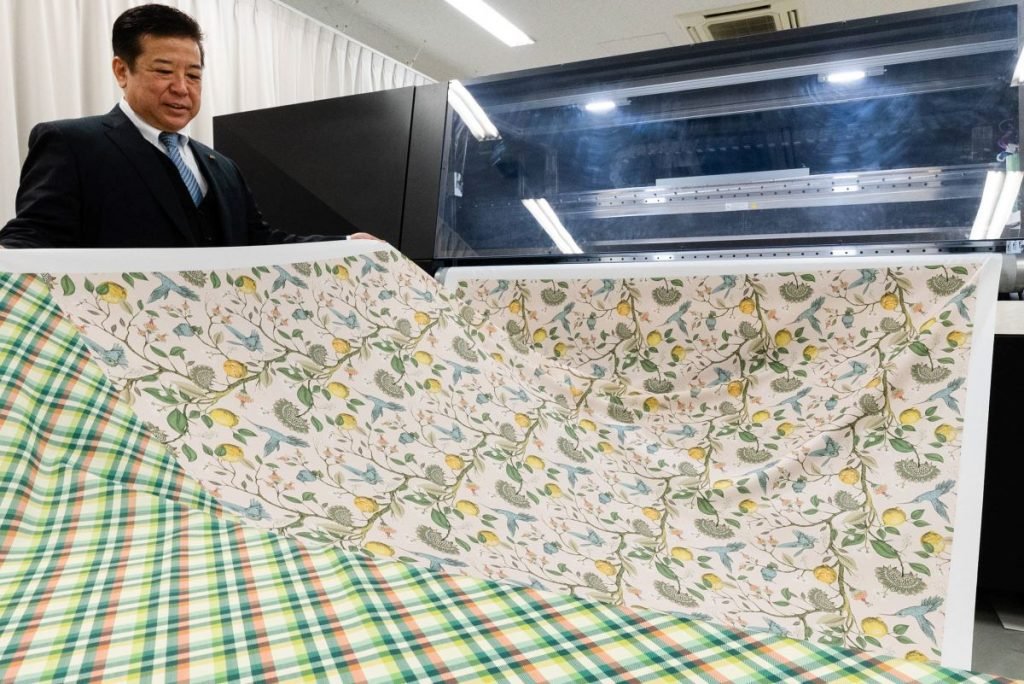
Artwork Preparation and File Requirements
One of the most critical aspects of your tech pack is the artwork file. Printers need files that are not only high quality but also formatted correctly for the chosen print method. Here’s what to consider:
- File Type: Use vector files (AI, EPS) for screen printing and high-resolution raster files (TIFF, PSD, PNG) for digital printing.
- Resolution: Aim for at least 300 DPI at actual print size to ensure sharpness.
- Color Mode: Specify CMYK or RGB based on printer requirements.
- Repeat and Scale: Clearly indicate the repeat size and how the pattern should tile across the fabric.
- Color References: Include Pantone or digital color codes for each color in your design.
For a deeper dive into preparing your files, see this professional guide on preparing artwork for fabric printing.
Specifying Fabrics and Print Techniques
The choice of fabric and print method has a direct impact on the outcome of your project. Your tech pack should leave no room for ambiguity:
- Fabric Type: Cotton, polyester, silk, blends, etc.
- Weight and Weave: Indicate GSM (grams per square meter) and weave type (plain, twill, satin, etc.).
- Base Color: Specify if the fabric should be pre-dyed or printed on white/undyed material.
- Printing Technique: Clearly state if you require digital, rotary, flatbed, or screen printing.
- Special Treatments: Note any pre- or post-printing processes such as pre-washing, coating, or finishing.

Communicating Color and Placement Details
Accurate color matching and precise placement are essential for achieving your design intent. Your tech pack should provide:
- Color Swatches: Attach physical or digital swatches for each color.
- Pantone/Color Codes: List all color references used in the artwork.
- Placement Diagrams: Include diagrams or mockups showing exactly where the print should appear on the fabric or finished product.
- Scale References: Use rulers or measurement guides in your diagrams to avoid confusion.
If you’re new to the process, you can learn more about digital textile printing technology and its benefits to better understand how color and placement are managed in modern production.
Checklist for Finalizing Your Tech Pack for Textile Printing
Before submitting your tech pack to a manufacturer or print house, review this checklist to ensure nothing is missed:
- Confirm all artwork files are high-resolution and in the correct format.
- Double-check color codes and provide swatches if possible.
- Specify fabric type, weight, and base color.
- Clearly state the printing method and any special treatments required.
- Include detailed placement diagrams and measurements.
- Outline finishing, labeling, and packaging requirements.
- Provide contact information and approval process steps.
- Request a pre-production sample for review before full production.
Common Mistakes to Avoid When Setting Up Your Documentation
Even experienced designers can overlook important details. Here are some frequent errors to watch out for:
- Submitting low-resolution or incomplete artwork files.
- Failing to specify exact colors, leading to mismatched prints.
- Leaving out fabric details or not matching the fabric to the intended print method.
- Not providing clear placement instructions, resulting in off-center or misaligned prints.
- Overlooking finishing or post-printing requirements.
Taking the time to review your tech pack thoroughly can save both time and money in the production process.
Integrating Tech Packs into Your Textile Printing Workflow
Once your documentation is complete, share it with your manufacturer or print partner. Maintain open communication and be prepared to answer questions or provide clarifications. Many successful businesses standardize their tech pack templates, making it easier to launch new designs quickly and consistently.
If you’re considering launching your own venture, our step-by-step guide to starting a fashion printing business offers practical advice on building a workflow that incorporates robust documentation practices.
Frequently Asked Questions
What is the most important part of a tech pack for textile printing?
The most critical section is the artwork file and its accompanying specifications. Clear, high-resolution artwork with exact color codes and placement instructions ensures your design is reproduced accurately.
How detailed should my tech pack be?
The more detailed your tech pack, the better. Include all relevant information—artwork, fabric, print method, finishing, and packaging. This minimizes the risk of mistakes and costly revisions.
Do I need a tech pack for small print runs?
Yes, even for small orders, a tech pack helps communicate your requirements and ensures consistency. It’s especially important if you plan to reorder or scale up production in the future.