Selecting the right packaging for food products is a crucial step for any business in the food industry. The safety and quality of your food depend not only on the ingredients and preparation but also on the materials that come into direct contact with your products. Understanding how to choose food-safe packaging helps protect consumers, ensures regulatory compliance, and preserves the integrity of your brand.
Whether you’re a small bakery, a restaurant, or a large-scale food manufacturer, making informed decisions about packaging can prevent contamination, extend shelf life, and support sustainability goals. This guide will walk you through the essential factors to consider, from regulatory standards to material choices, so you can confidently select the best options for your needs.
For a deeper dive into specific packaging types, you might find the article on food-safe packaging wraps helpful as you evaluate your options.
Understanding Food-Safe Packaging Requirements
The term food-safe packaging refers to materials and containers that are designed and tested to ensure they do not transfer harmful substances to food. These requirements are set by regulatory bodies such as the FDA (in the United States) and EFSA (in Europe), which specify acceptable materials, migration limits, and labeling standards.
- Material Safety: Only certain plastics, papers, metals, and coatings are approved for direct food contact.
- Migratory Limits: Packaging must not leach chemicals, inks, or adhesives into food above regulated thresholds.
- Traceability: Manufacturers should provide documentation proving compliance with food safety standards.
It’s important to request certificates of compliance or declarations of conformity from your packaging supplier to verify that all materials meet the necessary food safety regulations.
Key Factors in Selecting Safe Packaging for Food
When evaluating how to choose food-safe packaging for your products, several factors come into play. Each type of food and method of distribution may require a different approach.
Type of Food Product
The nature of your product—whether it’s dry, moist, acidic, fatty, or frozen—will influence the best packaging choice. For example:
- Dry foods (such as grains or snacks) often do well with paper or certain plastics.
- Moist or oily foods (like cheeses or deli meats) require barriers that prevent grease and moisture migration.
- Acidic foods (such as tomato sauce) may react with some metals or plastics, so specialized coatings are needed.

Packaging Materials and Their Properties
Common materials used for food packaging include:
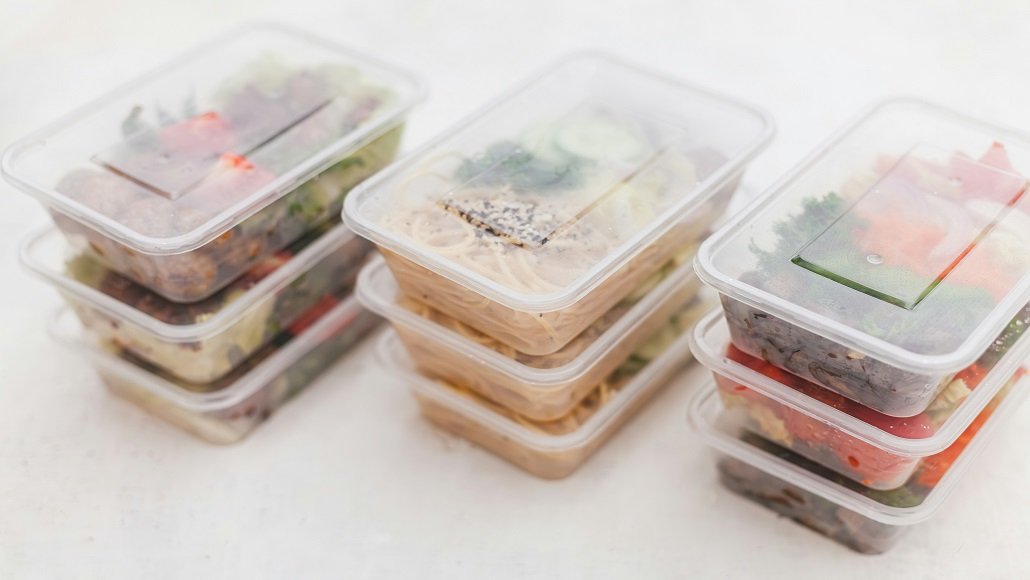
- Plastics: PET, HDPE, LDPE, and PP are widely used for their barrier properties and durability. Always confirm that the specific resin grade is food-approved.
- Papers and Boards: Must be treated or coated for moisture and grease resistance. Look for certifications indicating food-grade status.
- Metals: Aluminum and tin are safe for many applications but may require internal coatings for acidic foods.
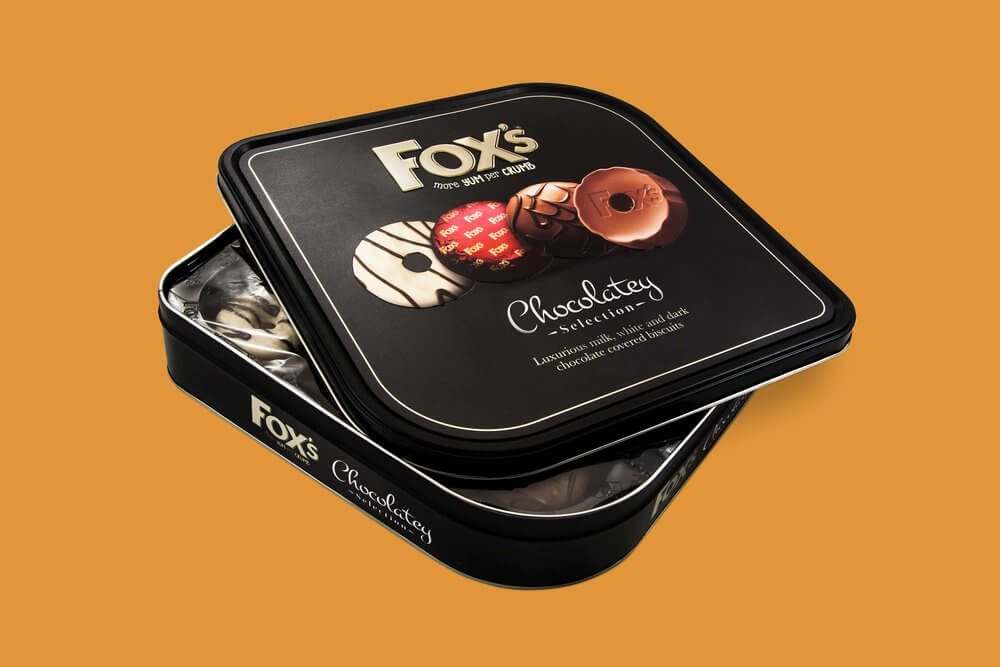
- Glass: Naturally inert and safe but heavier and more fragile than other options.
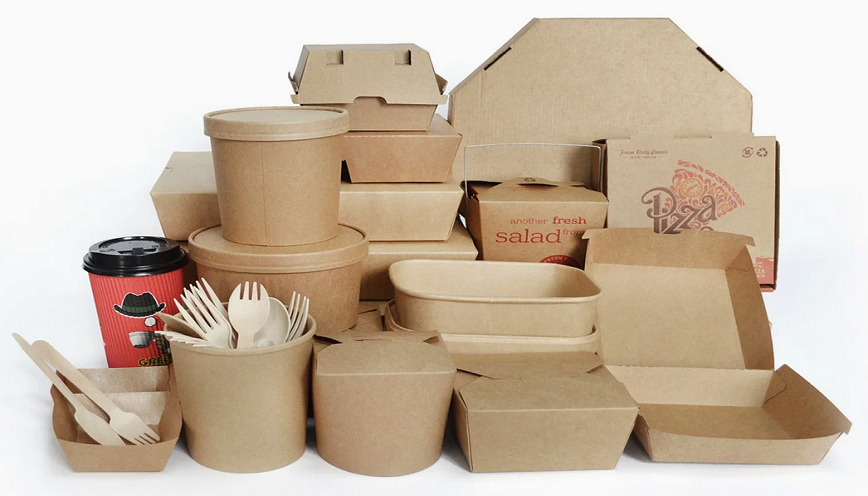
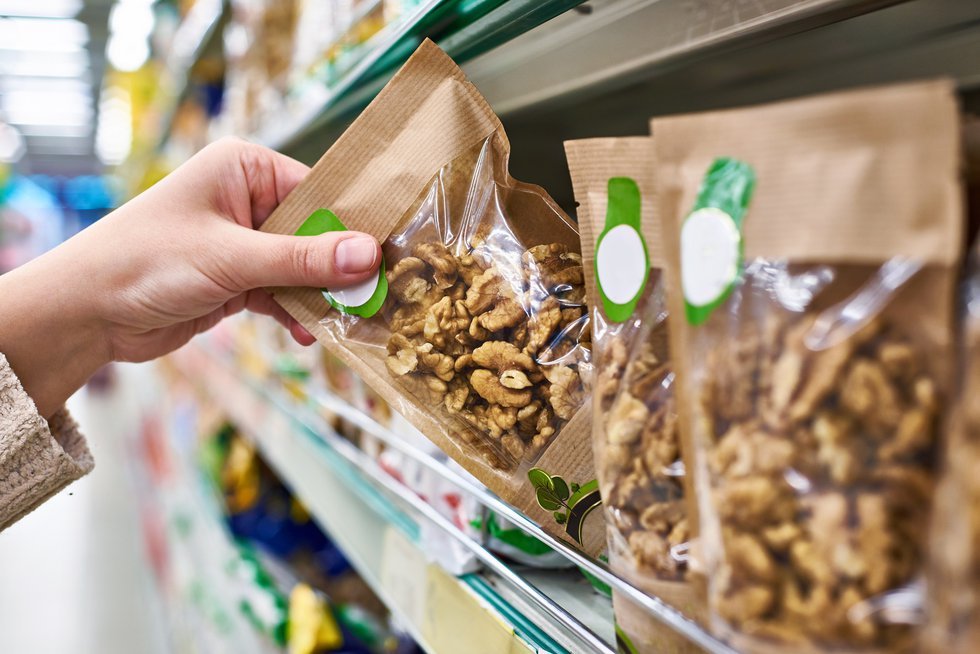
For more details on specific packaging forms, such as food-safe packaging boxes or food-safe packaging bags, explore the linked guides.
Barrier Protection and Shelf Life
One of the main functions of packaging is to protect food from external contaminants and extend its shelf life. Consider the following:
- Oxygen Barriers: Prevent oxidation, which can spoil fats and change flavors.
- Moisture Barriers: Essential for products that must stay dry or fresh.
- Light Protection: Some foods degrade when exposed to light, requiring opaque or UV-blocking packaging.
The right combination of materials and design will help maintain product quality from production to consumption.
Regulatory Compliance and Certifications
Ensuring your packaging complies with food safety regulations is non-negotiable. Always verify that your supplier provides documentation such as:
- FDA/EFSA Compliance Certificates
- Declarations of Conformity
- Third-party Testing Reports
These documents confirm that the packaging meets all relevant standards for food contact. If you’re sourcing from new food-safe packaging suppliers, request these certifications upfront.
Environmental Considerations and Consumer Expectations
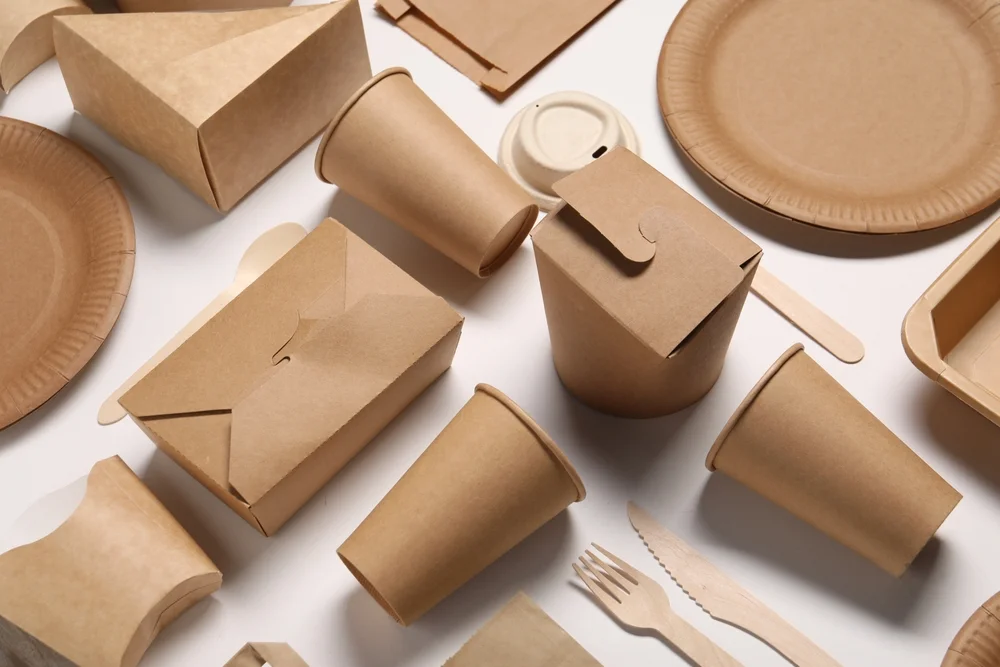
Today’s consumers are increasingly aware of sustainability issues. While safety is paramount, many businesses also look for packaging that is recyclable, compostable, or made from renewable resources. When balancing safety and sustainability:
- Choose materials that are both food-safe and environmentally friendly, such as certified compostable films or recycled-content papers.
- Communicate clearly on your packaging about its proper disposal or recycling.
- Stay updated on local regulations regarding single-use plastics and compostable packaging.
For a comprehensive overview of packaging types and how to select the right one, see this guide to common food packaging types and selection criteria.
Practical Steps for Making the Right Choice
- Assess Your Product: Identify the food’s properties (moisture, acidity, fat content, shelf life needs).
- Research Material Options: Compare the pros and cons of plastics, papers, metals, and glass for your application.
- Request Documentation: Always ask for compliance certificates and test reports from your supplier.
- Test Packaging: Conduct shelf life and migration tests with your actual product to ensure safety and performance.
- Consider Sustainability: Where possible, choose materials that are both food-safe and eco-friendly.
- Stay Informed: Keep up with changes in food safety regulations and packaging innovations.
For certain applications, such as lining trays or baskets, food-safe packaging liners can provide an extra layer of protection and compliance.
FAQ
What makes packaging food-safe?
Packaging is considered food-safe when it is made from materials that do not transfer harmful chemicals, odors, or flavors to food. It must comply with regulations set by authorities like the FDA or EFSA and should be tested for migration and contamination risks.
How can I verify if my packaging is compliant?
Ask your supplier for documentation such as compliance certificates, declarations of conformity, and third-party test results. These documents confirm that the packaging meets all necessary food safety standards.
Are eco-friendly packaging options always safe for food?
Not all eco-friendly materials are automatically safe for direct food contact. Always check for food-grade certifications and ensure the material has been tested for safety with the specific type of food you are packaging.
Can I use the same packaging for all types of food?
No, different foods have different requirements. Moist, acidic, or fatty foods may require specialized barriers or coatings, while dry foods might be suitable for simpler materials. Always match the packaging type to the product’s needs.
What should I do if regulations change?
Stay informed about updates in food safety laws and standards. Work closely with your suppliers and consider periodic reviews of your packaging materials to ensure ongoing compliance.