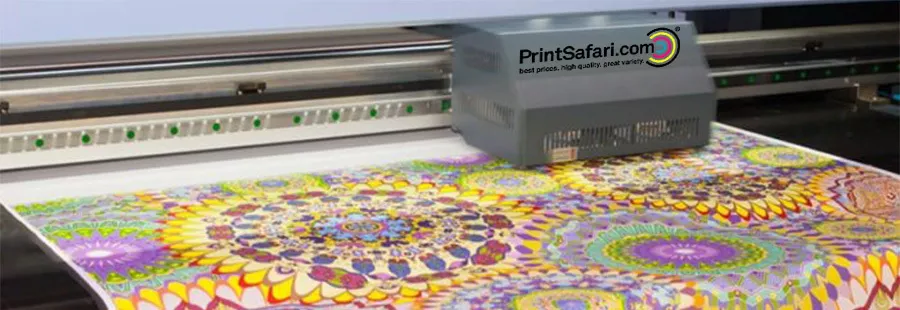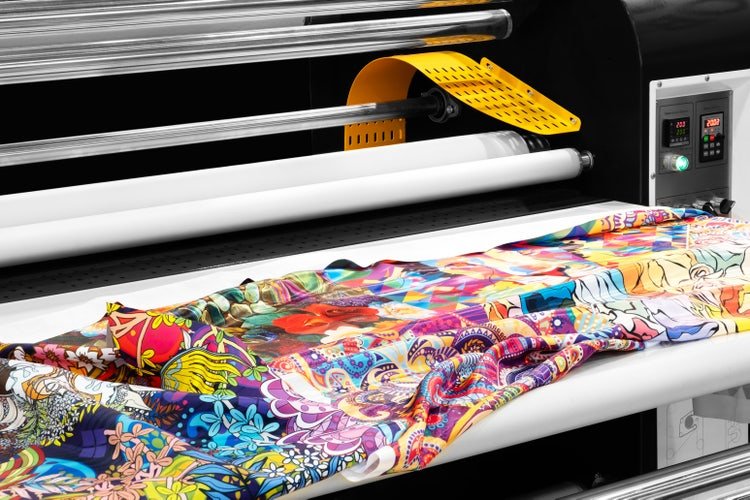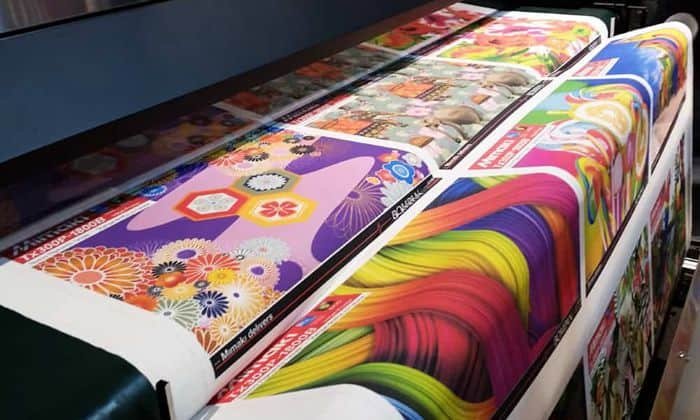
Producing high resolution prints on cotton is essential for designers, brands, and print shops aiming for vibrant, crisp, and long-lasting results. Cotton is a popular fabric due to its comfort and versatility, but its natural fibers can present challenges when it comes to achieving sharp, detailed images. With the right approach, however, it’s possible to create professional-quality prints that stand out for their clarity and color accuracy.
This article explores the most effective techniques, materials, and preparation steps to help you get the best possible results when printing on cotton. Whether you’re working with digital textile printing, screen printing, or direct-to-garment (DTG) methods, understanding the process is key to success. For those interested in more advanced applications, you may also want to review our guide to large format fabric printing for runways for additional insights.
Understanding the Challenges of Printing on Cotton
Cotton’s absorbency and texture make it a favorite for apparel and home textiles, but these same qualities can complicate the printing process. The fibers tend to soak up ink or dye, which can cause images to blur or lose definition if not managed properly. Achieving sharp, high resolution prints on cotton requires attention to several factors:
- Ink absorption: Cotton absorbs more ink than synthetic fabrics, which can lead to bleeding if the ink isn’t formulated for natural fibers.
- Surface texture: The weave and finish of the cotton affect how well fine details are reproduced.
- Pre-treatment: Proper preparation of the fabric is essential to ensure the ink bonds well and colors remain vibrant.
Choosing the Right Printing Method for Crisp Results
Selecting the appropriate printing technique is crucial for producing detailed images on cotton. Here are the most common methods and their suitability for high resolution output:
Digital Textile Printing
Digital textile printing, especially with reactive or pigment inks, is a leading choice for achieving fine detail and vibrant color on cotton. This method allows for precise control over ink placement and works well for both small and large runs. For a comprehensive overview of the technology and its benefits, see our resource on what is digital textile printing.
Direct-to-Garment (DTG) Printing
DTG printing is ideal for short runs and custom designs, offering photo-quality results on cotton garments. The process uses specialized water-based inks that penetrate the fibers, producing soft, durable prints. For more details on this approach, our DTG guide for fashion brands covers the essentials.
Screen Printing
While traditional screen printing is known for its durability and color vibrancy, achieving very fine detail can be challenging, especially on textured cotton. However, with high mesh screens and proper technique, it’s possible to produce crisp images. For a comparison of screen printing and other methods, see our comparison of silk screen vs heat transfer printing.
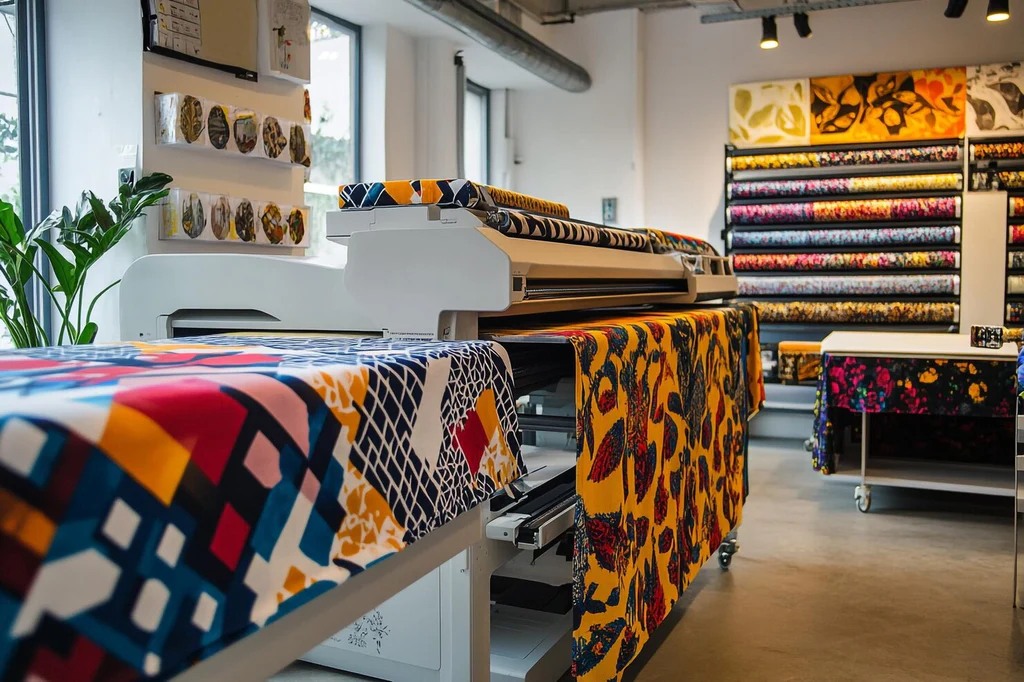
Preparing Cotton for High Definition Printing
Proper preparation of the fabric is a critical step in the process. Here’s how to ensure your cotton is ready for detailed printing:
- Pre-washing: Remove sizing, dirt, and oils by washing the fabric before printing. This helps inks adhere better and prevents uneven results.
- Pre-treatment solutions: For digital and DTG printing, applying a pre-treatment solution helps the ink bond to the fibers and enhances color vibrancy.
- Ironing or calendaring: Smooth, flat fabric surfaces improve print sharpness. Iron or use a heat press to remove wrinkles before printing.
Optimizing Artwork and Color Management
The quality of your digital artwork has a direct impact on the final print. For the best results:
- Use high-resolution files (at least 300 DPI) to ensure every detail is captured.
- Work in the correct color space (usually RGB for digital printing, CMYK for screen printing) and calibrate your monitor for accurate color representation.
- Test print small samples to check for color shifts or loss of detail before committing to a full run.
For those setting up production files, our guide on how to set up a tech pack for textile printing includes an essential checklist to streamline the process.
Best Practices for Achieving Sharp Prints on Cotton
To consistently produce high resolution prints on cotton, follow these practical tips:
- Choose the right ink: Use inks formulated for cotton, such as reactive or pigment inks for digital printing, or water-based inks for screen printing.
- Control the environment: Print in a clean, dust-free area to prevent contamination and ensure even ink application.
- Maintain equipment: Regularly clean print heads, screens, and platens to avoid smudges and maintain print quality.
- Cure prints properly: Use the recommended heat and time settings to fix the ink, ensuring durability and wash resistance.
Innovations and Trends in Cotton Textile Printing
The textile industry is rapidly evolving, with new technologies making it easier than ever to produce detailed images on cotton. Digital printing is leading the way, offering flexibility, speed, and sustainability. For a deeper dive into how digital textile printing is transforming fabric production, explore this analysis of digital textile printing’s impact on the industry.
As eco-friendly inks and automated workflows become more accessible, even small businesses and independent designers can achieve professional results without large-scale infrastructure.
Frequently Asked Questions
What is the best printing method for detailed images on cotton?
Digital textile printing and direct-to-garment (DTG) printing are generally considered the best options for producing sharp, high-resolution images on cotton. Both methods allow for precise control over ink placement and color blending, making them ideal for intricate designs.
How can I prevent colors from fading after printing on cotton?
To ensure long-lasting color, use inks specifically designed for cotton, apply proper pre-treatment, and cure the prints at the recommended temperature and duration. Washing the fabric inside out and using mild detergents can also help preserve vibrancy.
Do I need to pre-treat cotton before printing?
Yes, pre-treatment is highly recommended, especially for digital and DTG printing. It helps the ink bond to the fibers, improves color intensity, and prevents bleeding or blurring of the image.
Can I use the same artwork files for cotton as for other fabrics?
While you can use the same designs, it’s important to check resolution and color profiles. Cotton’s absorbency may affect how colors appear, so test prints and adjustments may be necessary for optimal results.