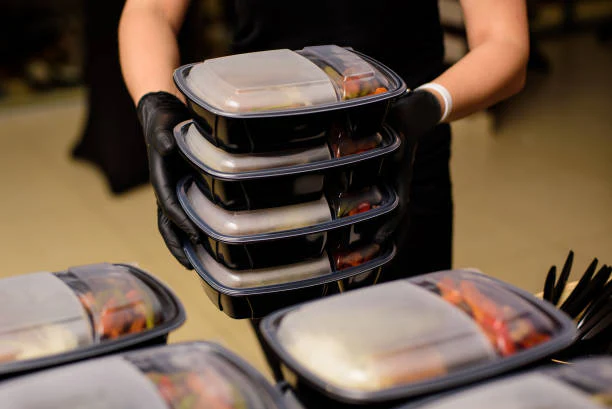
The demand for food-safe packaging suppliers has grown rapidly as food businesses and manufacturers prioritize consumer safety, regulatory compliance, and brand reputation. Choosing the right partner for packaging is crucial—not only for protecting products but also for meeting strict health standards and supporting sustainability goals. This article offers a comprehensive overview of what defines a reliable supplier, the materials and certifications to look for, and how to evaluate options for your business.
Understanding the essentials of packaging safety is the first step. For a deeper dive into the fundamentals, see what is food-safe packaging for definitions, uses, and why it matters in today’s food industry.
What Makes a Packaging Supplier Food-Safe?
Not every packaging provider meets the standards required for direct food contact. A food-safe packaging supplier is defined by their adherence to strict manufacturing processes, use of approved materials, and ability to provide documentation proving compliance with relevant regulations. These suppliers play a vital role in ensuring that food products remain uncontaminated from production to consumption.
- Regulatory Compliance: Suppliers must follow guidelines from agencies such as the FDA (U.S.), EFSA (Europe), or other national authorities. This includes using materials that are certified for food contact and maintaining traceability throughout the supply chain.
- Material Safety: Only certain plastics, papers, metals, and coatings are approved for use with food. Suppliers should be transparent about the source and composition of their materials.
- Quality Control: Reliable partners conduct regular testing for contaminants, migration, and durability, ensuring that packaging will not compromise the safety or shelf life of the food inside.
Key Materials Used by Trusted Providers
The choice of packaging material is a critical factor in food safety. Providers typically offer a range of options, each with its own advantages and considerations. Understanding these materials helps businesses make informed decisions and communicate safety to their customers.

Common Food-Grade Packaging Materials
- Plastics: Polyethylene (PE), polypropylene (PP), and PET are widely used for their barrier properties and flexibility. Each type must be certified for food contact and free from harmful additives.
- Papers and Boards: Treated papers and boards are popular for dry foods and bakery items. They must be free of toxic inks and coatings.
- Metals: Aluminum and tinplate are common for canned goods and beverages, offering excellent protection from light and oxygen.
- Biodegradable Options: Compostable films and plant-based plastics are gaining traction as businesses seek sustainable alternatives that do not compromise safety.
For more details on the different types of food-safe packaging available to modern food businesses, explore our in-depth guide.
Certifications and Documentation to Expect
When evaluating potential partners, documentation is as important as the materials themselves. Reputable suppliers provide certificates and test reports that demonstrate compliance with relevant standards.
- Certificates of Compliance: These confirm that materials and processes meet FDA, EU, or other regulatory requirements.
- Migration Test Reports: Show that no harmful substances transfer from packaging to food under normal use conditions.
- Traceability Records: Allow businesses to track packaging components back to their source, which is essential for recalls or audits.
For a comprehensive overview of requirements and best practices, see this guide to food-grade packaging materials requirements.
How to Evaluate and Choose the Right Supplier
Selecting a packaging partner involves more than just price comparison. Consider the following steps to ensure you’re working with a provider that prioritizes safety and quality:
- Request Documentation: Always ask for certificates, test results, and details about material sourcing.
- Assess Manufacturing Standards: Visit facilities if possible, or request information on quality control processes and audits.
- Check Industry Reputation: Look for reviews, references, and case studies from other food businesses.
- Evaluate Sustainability Practices: Many buyers now seek suppliers who offer recyclable, compostable, or reduced-plastic options without compromising food safety.
- Review Lead Times and Flexibility: Reliable partners can adapt to changing order volumes and respond quickly to urgent needs.

Emerging Trends Among Food Packaging Providers
The industry is evolving rapidly, with new materials and technologies shaping the future of food safety and sustainability. Some notable trends include:
- Eco-Friendly Innovations: Suppliers are investing in compostable and recyclable materials to meet consumer demand for greener packaging.
- Smart Packaging: Integration of sensors and indicators that monitor freshness or tampering is becoming more common, especially for premium products.
- Customization: Providers now offer more flexible printing and design options, allowing brands to differentiate while maintaining safety standards.
- Advanced Testing: Enhanced laboratory testing ensures that even new materials meet or exceed food safety regulations.
Frequently Asked Questions
What certifications should I look for when choosing a food packaging supplier?
Look for suppliers who provide certificates of compliance with FDA, EU, or other relevant food safety regulations. Additional certifications, such as ISO 22000 (food safety management) or BRCGS (global food safety standard), indicate a strong commitment to quality and traceability.
Are biodegradable packaging materials always food-safe?
Not all biodegradable or compostable materials are automatically approved for food contact. Always verify that these materials have been tested and certified for direct food use, and request documentation from your supplier.
How can I ensure my packaging supplier is reliable?
Evaluate potential partners by reviewing their documentation, quality control processes, and industry reputation. Visiting their facilities or requesting third-party audit results can provide additional assurance. Reliable suppliers are transparent and responsive to your safety concerns.
Where can I learn more about packaging types and safety?
For more information on packaging options and their applications, visit our resource on types of food-safe packaging.
Conclusion
Selecting the right food-safe packaging suppliers is essential for any food business aiming to protect consumers and comply with regulations. By focusing on certified materials, robust documentation, and transparent practices, you can ensure your products remain safe and appealing from production to the point of sale. Stay informed about emerging trends and always prioritize suppliers who demonstrate a clear commitment to quality and safety.