Choosing the right packaging for food products is a critical decision for any business in the food industry. The safety, freshness, and presentation of food depend heavily on the materials and designs used to package them. This food-safe packaging selection guide offers practical insights to help you navigate the options, understand regulations, and make informed choices that protect both your products and your customers.
Whether you’re a restaurant owner, food manufacturer, or small business operator, understanding the essentials of safe packaging is essential. From wraps and boxes to bags and liners, each type of packaging serves a unique purpose and must meet strict safety standards. Early in your decision-making process, it’s helpful to explore resources like food-safe packaging wraps to get a sense of the available options and their specific uses.

Understanding Food-Safe Packaging Requirements
Not all packaging is suitable for direct contact with food. Food-safe packaging must be made from materials that do not transfer harmful substances to the food, maintain hygiene, and preserve the product’s quality. Regulatory bodies such as the FDA (in the United States) and EFSA (in Europe) set strict standards for food contact materials.
When evaluating packaging, consider the following requirements:
- Material Safety: Only use materials certified for food contact, such as certain plastics, paper, cardboard, or bioplastics.
- Barrier Properties: Packaging should protect food from moisture, oxygen, light, and contaminants.
- Durability: The packaging must withstand handling, transport, and storage without breaking down or contaminating the food.
- Compliance: Always check for compliance marks or certifications relevant to your region.
Types of Food-Safe Packaging Materials
The choice of packaging material depends on the type of food, shelf life requirements, and sustainability goals. Here are some common options:
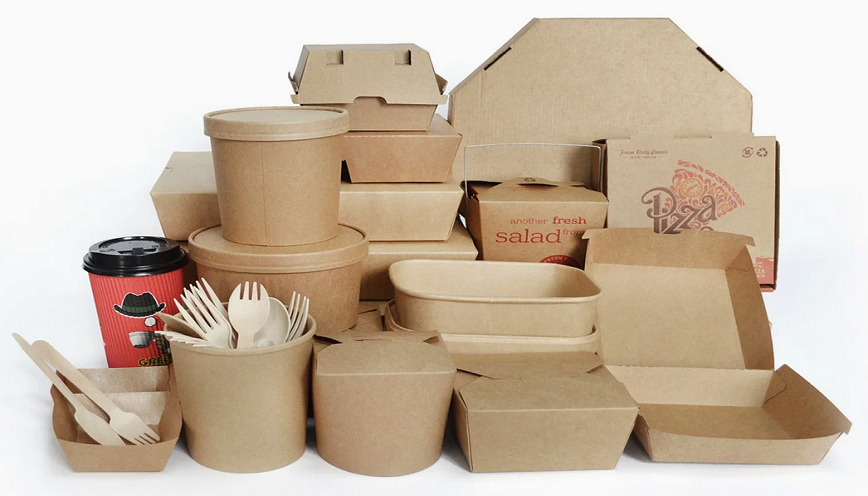
- Paper and Cardboard: Widely used for dry foods, bakery items, and takeaway containers. Look for coatings or liners that add moisture resistance.
- Plastic: Includes PET, HDPE, LDPE, and PP. Each type offers different strengths, such as flexibility, clarity, or resistance to oils and acids.
- Glass: Ideal for beverages, sauces, and preserves. It’s inert and recyclable but heavier and more fragile than other options.
- Metal: Used for canned goods and beverages. Provides excellent protection from light and oxygen.
- Biodegradable and Compostable Materials: Made from plant-based sources, these are increasingly popular for eco-conscious brands.
For a detailed breakdown of material types, visit this comprehensive guide to food packaging materials.
How to Choose the Right Packaging for Your Food Products
Selecting suitable packaging involves balancing safety, functionality, branding, and cost. Here are key considerations:
- Identify the Food Type: Is it dry, moist, oily, acidic, or frozen? Each requires specific barrier properties.
- Assess Shelf Life Needs: Perishable items need airtight or vacuum-sealed packaging, while shelf-stable products may require less protection.
- Consider Portion Size and Convenience: Single-serve, bulk, or resealable options can influence customer satisfaction.
- Evaluate Sustainability: Eco-friendly packaging can enhance your brand and appeal to environmentally conscious consumers.
- Check Compatibility with Branding: Custom printing and design elements should not compromise food safety.
If you’re packaging baked goods or deli items, you might want to explore food-safe packaging bags for flexible and reliable solutions.
Common Packaging Formats and Their Uses
Different foods require different packaging formats. Understanding the strengths of each can help you make the best choice:
- Wraps: Ideal for sandwiches, burgers, and pastries. They provide a barrier and help maintain freshness.
- Boxes: Used for baked goods, takeout meals, and confections. They offer structure and protection.
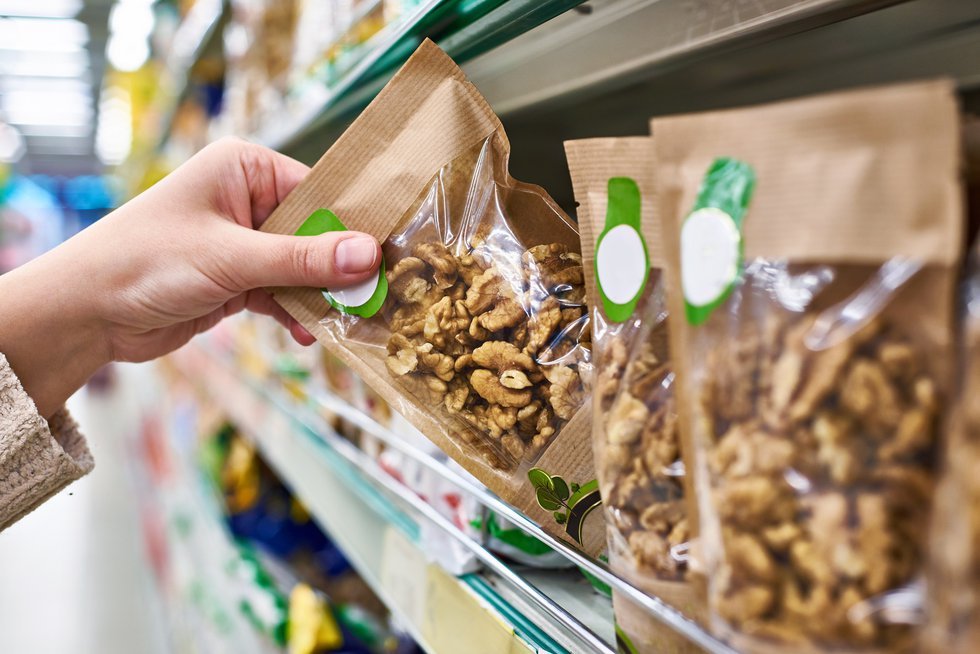
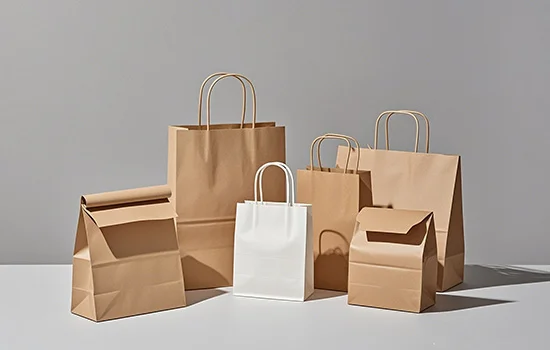
- Bags: Suitable for snacks, produce, and bulk items. They are lightweight and versatile.
- Liners: Used inside boxes or trays to add an extra layer of protection and prevent leaks.
For more details on specific formats, you can learn about food-safe packaging boxes or food-safe packaging liners depending on your needs.
Regulatory Compliance and Certifications
Ensuring your packaging meets legal and industry standards is non-negotiable. Look for certifications such as:
- FDA Approval: Indicates compliance with U.S. food safety regulations.
- EU Food Contact Materials (FCM): Ensures materials are safe for use in Europe.
- ISO Certifications: International standards for quality and safety.
- Compostable/Biodegradable Labels: For environmentally friendly packaging, look for recognized eco-labels.
Always request documentation from your food-safe packaging suppliers to verify compliance and traceability.
Best Practices for Safe and Effective Packaging
To maximize both safety and customer satisfaction, follow these best practices:
- Store Packaging Properly: Keep packaging materials in clean, dry environments to prevent contamination.
- Train Staff: Ensure everyone handling packaging understands hygiene protocols and safe handling procedures.
- Monitor for Damage: Inspect packaging for tears, punctures, or signs of compromise before use.
- Label Clearly: Include all required information, such as ingredients, allergens, and expiry dates.
- Stay Updated: Regulations and materials evolve, so keep informed about new developments in the industry.
FAQ
What qualifies packaging as food-safe?
Packaging is considered food-safe when it is made from materials that do not leach harmful chemicals or substances into food. It must comply with relevant regulations, such as FDA or EU standards, and be manufactured in hygienic conditions. Always look for certifications or compliance marks to ensure safety.
How do I know which packaging material is best for my product?
The best material depends on your product’s characteristics—moisture content, acidity, shelf life, and storage conditions. For example, oily foods may require plastic with high barrier properties, while dry snacks might do well in paper bags. Consulting a food-safe packaging selection guide and discussing with suppliers can help you make the right choice.
Are biodegradable packaging options always food-safe?
Not all biodegradable materials are suitable for direct food contact. Only use biodegradable packaging that is certified for food use and meets the same safety standards as conventional materials. Check for recognized certifications and request documentation from your supplier.