The safety of food packaging is a critical concern for manufacturers, retailers, and consumers alike. While packaging is designed to protect food from contamination and extend shelf life, not all materials or processes are free from hazards. Understanding food-safe packaging risks is essential for anyone involved in the food supply chain, as well as for individuals who want to make informed choices about the products they buy and consume.
There are many factors that influence whether packaging is truly safe for food contact. These include the types of materials used, how packaging is manufactured, and how it interacts with different foods. In this article, we’ll explore the most common hazards, regulatory standards, and practical steps to minimize exposure to potentially harmful substances.

For those interested in comparing different packaging options, the food-safe packaging materials comparison guide provides a detailed look at the pros and cons of various materials.
Understanding the Main Hazards in Food Packaging
The primary goal of food packaging is to keep products safe and fresh. However, certain risks can arise from the materials and chemicals used in packaging. These hazards can be broadly categorized into chemical, physical, and biological threats.
- Chemical migration: Some packaging materials can leach chemicals into food, especially when exposed to heat or acidic ingredients. Common culprits include plasticizers, inks, adhesives, and coatings.
- Physical contamination: Packaging may introduce foreign objects, such as glass shards or metal fragments, during manufacturing or handling.
- Biological risks: If packaging is not properly sterilized or is damaged, it can harbor bacteria, mold, or other pathogens that contaminate food.
Common Materials and Their Associated Dangers
Not all packaging materials pose the same level of threat. Some are considered safer than others, while a few have been linked to significant health concerns. Here are some of the most widely used materials and the risks they may present:
Plastics and Their Additives
Plastics are popular for their versatility and low cost, but they often contain additives such as phthalates, bisphenol A (BPA), and other plasticizers. These substances can migrate into food, especially when packaging is heated or used with fatty or acidic foods. BPA, in particular, has been associated with hormonal disruptions and other health issues.
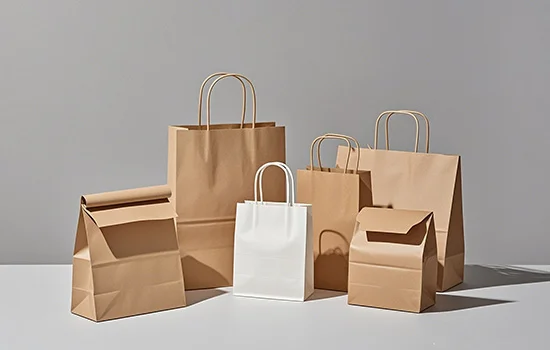
Paper and Cardboard
While paper-based packaging is often seen as a safer and more sustainable option, it can also carry risks. Paper and cardboard may be treated with coatings, inks, or adhesives that contain potentially harmful chemicals. Recycled paper can sometimes introduce contaminants if not properly processed. For a deeper dive into the differences between materials, refer to the food-safe packaging materials comparison resource.
Metals and Foils
Metal cans and foils are generally safe, but the linings used to prevent corrosion can sometimes contain substances that migrate into food. For example, epoxy resins used in can linings may contain BPA or similar compounds.
How Chemical Migration Occurs
One of the most significant food-safe packaging risks is the migration of chemicals from packaging into food. This process is influenced by several factors:
- Temperature: Heating food in its packaging, such as microwaving plastic containers, increases the likelihood of chemical leaching.
- Food composition: Fatty, acidic, or salty foods are more likely to draw chemicals out of packaging materials.
- Contact time: The longer food is stored in packaging, the greater the chance for migration to occur.
- Type of packaging: Some materials are more prone to leaching than others, depending on their composition and the presence of additives.
Regulations and Standards for Safer Packaging
Governments and regulatory agencies around the world have established guidelines to help minimize food-safe packaging risks. These standards specify which materials and chemicals are permitted for use in food contact applications, as well as acceptable migration limits.
In the United States, the Food and Drug Administration (FDA) oversees food packaging safety, while the European Union has its own set of regulations. Manufacturers must conduct migration testing and provide documentation to demonstrate compliance. However, enforcement and oversight can vary, and not all products are subject to the same scrutiny.
For a comprehensive overview of the different types of packaging materials and their safety profiles, the types of food packaging materials guide provides valuable insights.
Reducing Exposure to Packaging-Related Hazards
While regulations are in place, there are additional steps that businesses and consumers can take to reduce the risk of contamination from packaging:
- Choose packaging labeled as food-grade or compliant with recognized safety standards.
- Avoid heating food in plastic containers unless they are specifically marked as microwave-safe.
- Store acidic or fatty foods in glass or stainless steel containers when possible.
- Inspect packaging for damage, swelling, or signs of tampering before use.
- Stay informed about recalls and safety alerts related to food packaging.
Special Considerations for Sensitive Groups
Certain populations, such as infants, young children, and individuals with allergies, may be more vulnerable to the effects of packaging-related contaminants. For example, food-safe packaging for baby food must meet stricter requirements to ensure that no harmful substances are transferred to the product. Similarly, those with food allergies should pay close attention to food-safe packaging allergen labeling to avoid accidental exposure.
Frequently Asked Questions
What are the most common chemicals of concern in food packaging?
The most frequently cited chemicals include bisphenol A (BPA), phthalates, per- and polyfluoroalkyl substances (PFAS), and certain inks and adhesives. These substances can migrate into food and have been linked to health concerns such as hormone disruption and increased cancer risk.
How can I tell if packaging is truly safe for food contact?
Look for packaging labeled as food-grade or compliant with relevant standards, such as FDA or EU regulations. When in doubt, consult resources like the food-safe packaging materials comparison to evaluate options.
Are biodegradable or compostable packaging materials safer?
Biodegradable and compostable materials can reduce environmental impact, but they are not automatically safer for food contact. It’s important to verify that these materials meet food safety standards and do not contain harmful additives.
What should I do if I suspect packaging has contaminated my food?
If you notice unusual odors, tastes, or visible contamination, do not consume the food. Report the issue to the manufacturer and relevant food safety authorities. Retain the packaging for investigation if possible.
Being aware of food-safe packaging risks empowers both businesses and consumers to make safer choices. By staying informed and following best practices, it is possible to minimize exposure to harmful substances and ensure the safety of the food we eat.