The demand for food-safe packaging manufacturers has grown rapidly as consumers and businesses alike prioritize health, safety, and sustainability in the food industry. Ensuring that food products are packaged in materials that meet strict safety standards is essential for maintaining quality, preventing contamination, and complying with regulations. This guide provides a clear overview of what defines a food-safe packaging producer, the standards they must meet, and how to choose the right partner for your needs.
If you’re interested in learning about specific packaging types, such as food-safe packaging wraps, you’ll find additional resources that dive deeper into these topics.
Understanding What Makes Packaging Food-Safe
Not all packaging is suitable for direct contact with food. Food-safe packaging manufacturers specialize in creating materials that are designed to prevent chemical migration, physical contamination, and biological hazards. These companies must adhere to rigorous standards set by regulatory agencies to ensure that their products do not compromise food safety.
The materials used—such as certain plastics, glass, paper, and metals—are tested for their ability to resist leaching harmful substances into food. Additionally, the manufacturing processes are closely monitored to avoid cross-contamination and to maintain hygiene throughout production.
Key Standards and Certifications for Food Packaging Producers
To be recognized as a trusted supplier, a company must comply with national and international food safety regulations. In the United States, the Food and Drug Administration (FDA) sets forth requirements for food contact materials. For more details on these regulations, refer to the FDA’s guidelines on food ingredients and packaging.
- FDA Compliance: Packaging materials must be approved for food contact and must not transfer unsafe substances to food.
- Good Manufacturing Practices (GMP): Facilities must maintain cleanliness, proper documentation, and quality control throughout production.
- ISO 22000 and FSSC 22000: These international standards focus on food safety management systems, ensuring traceability and risk management.
- Third-Party Certifications: Many companies pursue additional certifications (such as BRCGS or SQF) to demonstrate their commitment to food safety and quality.
Types of Food-Safe Packaging Solutions
The range of packaging options available from specialized manufacturers is extensive. Each type is designed to meet specific requirements for different food products, shelf life, and distribution needs.
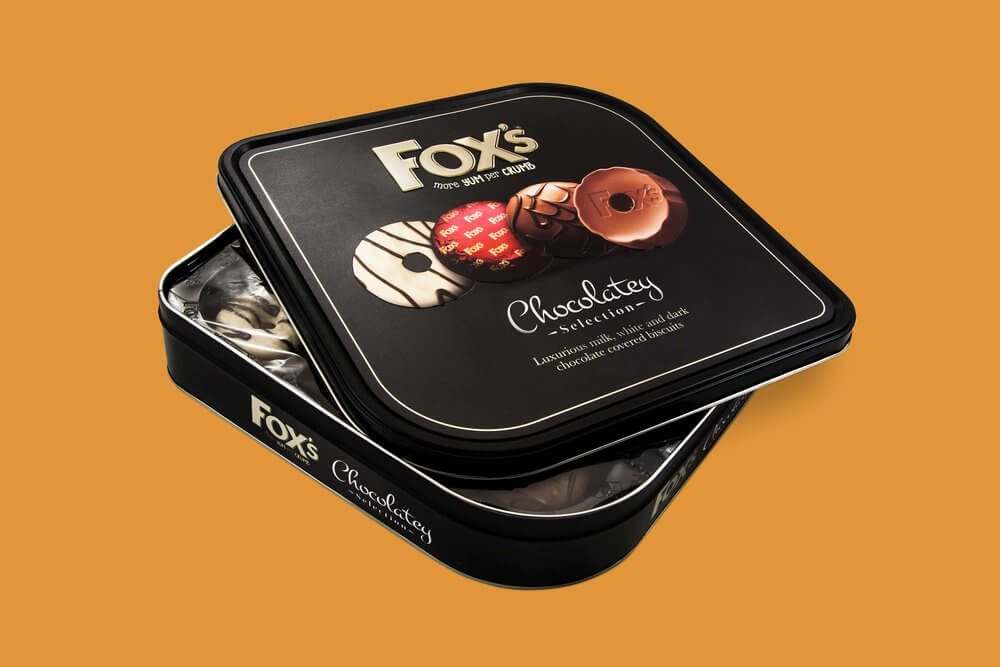
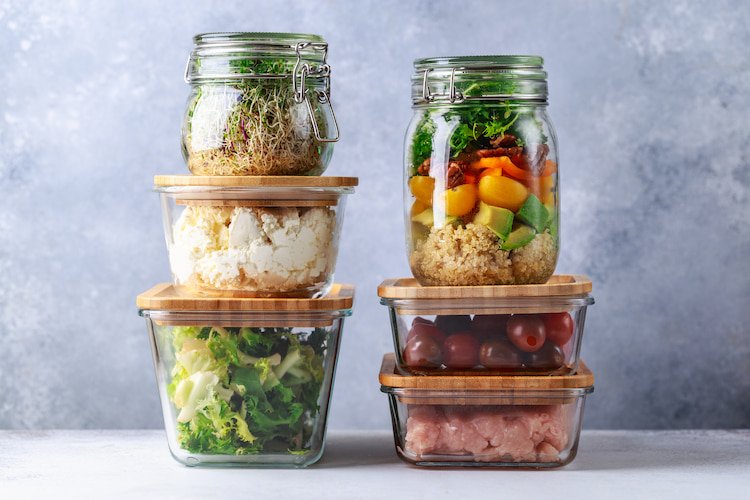
- Rigid Containers: Glass jars, metal cans, and hard plastic tubs are ideal for products requiring airtight seals and long shelf life.
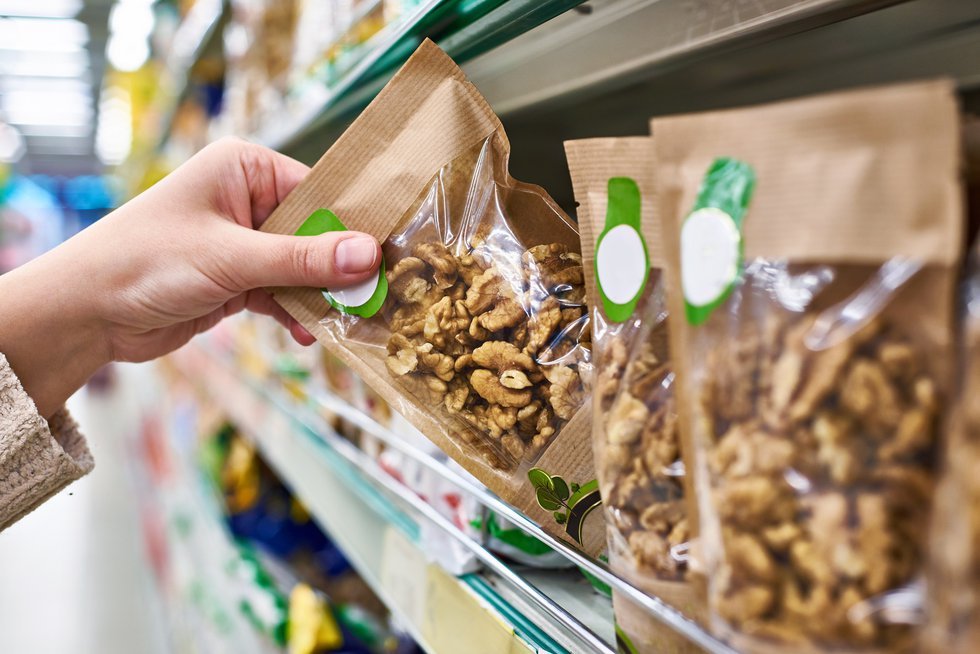
- Flexible Packaging: Pouches, wraps, and films offer lightweight, space-saving solutions for snacks, produce, and ready-to-eat foods. For more on this, see our article on food-safe packaging wraps.
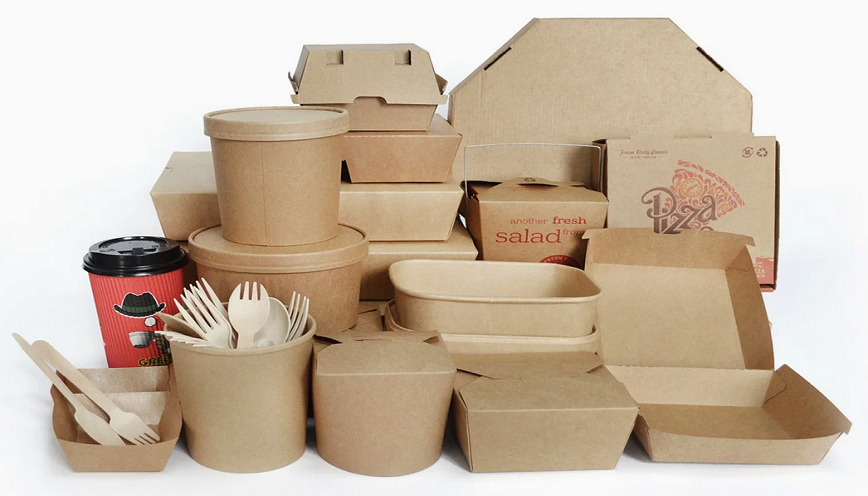
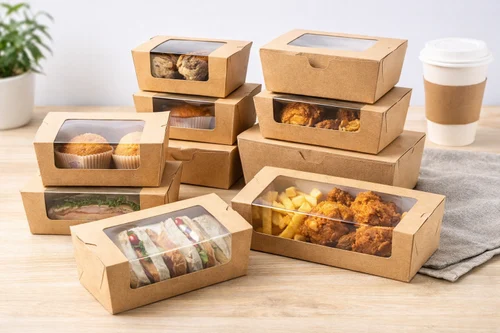
- Boxes and Cartons: Paperboard and corrugated boxes are commonly used for dry goods and bakery items. For a focused discussion, check out food-safe packaging boxes.
- Bags and Liners: Used for bulk items or as an inner layer for added protection. Learn more about food-safe packaging bags and food-safe packaging liners.
How to Evaluate Food-Safe Packaging Manufacturers
Choosing the right supplier involves more than just comparing prices. Here are some factors to consider:
- Compliance and Transparency: Ensure the company can provide documentation of regulatory compliance and third-party certifications.
- Material Quality: Ask about the types of materials used, their sources, and any testing protocols in place.
- Customization Capabilities: Some businesses require unique shapes, sizes, or branding. Leading producers offer design and prototyping services.
- Sustainability Initiatives: Many buyers now prioritize eco-friendly packaging. Inquire about recyclable, compostable, or biodegradable options.
- Production Capacity and Lead Times: Reliable partners can scale with your business and deliver consistent quality on schedule.
- Customer Support: Responsive service and technical support are crucial for addressing any issues that arise.
Trends Shaping the Future of Food Packaging
The packaging industry is evolving quickly, driven by consumer preferences, regulatory changes, and technological advancements. Here are some notable trends:

- Sustainable Materials: There is a growing emphasis on plant-based plastics, recycled paper, and reusable containers.
- Smart Packaging: Technologies like QR codes and freshness indicators are being integrated to enhance traceability and consumer engagement.
- Minimalist Design: Simpler, user-friendly packaging is gaining popularity for both aesthetic and practical reasons.
- Enhanced Barrier Properties: Innovations in coatings and multilayer films help extend shelf life and reduce food waste.
Frequently Asked Questions
What materials are considered food-safe for packaging?
Materials such as certain grades of plastic (like PET and HDPE), glass, stainless steel, aluminum, and food-grade paper are commonly used. These materials are tested to ensure they do not leach harmful chemicals into food and meet regulatory standards.
How can I verify if a packaging supplier is truly food-safe?
Look for documentation of compliance with FDA or equivalent international standards, as well as third-party certifications like ISO 22000 or BRCGS. Reputable suppliers are transparent about their processes and happy to provide proof of compliance.
Are eco-friendly packaging options available from food-safe packaging producers?
Yes, many companies now offer recyclable, compostable, or biodegradable packaging solutions that meet food safety requirements. These options help reduce environmental impact without compromising product integrity.
Conclusion
Selecting a reliable partner in the food packaging industry is critical for ensuring product safety, regulatory compliance, and customer satisfaction. By understanding the standards, materials, and trends that define this sector, businesses can make informed decisions and contribute to a safer, more sustainable food supply chain.