Ensuring the safety and quality of food products relies heavily on the integrity of their packaging. The food-safe packaging inspection process is a critical step for manufacturers, suppliers, and brands committed to delivering products that meet regulatory standards and protect consumers. This article provides a comprehensive overview of how packaging for food is evaluated, what standards are applied, and why these inspections are essential for the food industry.
For those interested in specific types of packaging, such as food-safe packaging wraps, understanding the inspection process can help in selecting the right materials and suppliers for your business.
Understanding the Importance of Food-Safe Packaging Inspection
The inspection of packaging designed for food products is not just a regulatory requirement—it’s a vital safeguard for public health. Packaging acts as the first line of defense against contamination, spoilage, and physical damage. A thorough food-safe packaging inspection process ensures that materials do not leach harmful substances, are free from defects, and maintain the quality of the food throughout its shelf life.
Regulatory agencies worldwide, such as the FDA in the United States and the EFSA in Europe, set strict guidelines for food packaging. These standards cover everything from material composition to migration limits for chemicals. Manufacturers must demonstrate compliance through documented inspections and testing.
Key Steps in the Food-Safe Packaging Inspection Process
The inspection process for food packaging involves several critical stages. Each step is designed to identify potential risks and ensure that the packaging meets both safety and performance standards.
- Material Verification: Inspectors first confirm that all packaging materials are approved for food contact. This includes checking supplier certifications and verifying that materials meet relevant food safety standards.
- Physical Examination: The packaging is checked for visible defects such as cracks, pinholes, or improper seals. Even minor flaws can compromise food safety by allowing contaminants to enter.
- Chemical Testing: Samples undergo laboratory analysis to detect possible migration of chemicals from the packaging into the food. This step is crucial for plastics, inks, adhesives, and coatings.
- Microbiological Assessment: In some cases, packaging is tested for microbial contamination, especially if it is designed to be sterile or used for ready-to-eat foods.
- Performance Evaluation: The packaging is subjected to stress tests—such as compression, drop, and temperature cycling—to ensure it can withstand real-world handling and storage conditions.
- Label and Printing Inspection: Inspectors verify that all labels are accurate, legible, and use food-safe inks. Mislabeling or ink migration can pose both safety and regulatory risks.
- Documentation Review: All inspection results, certificates, and compliance documents are reviewed and archived for traceability.
Common Standards and Regulations for Food Packaging
Compliance with food packaging regulations is non-negotiable for manufacturers and suppliers. Some of the most widely recognized standards include:
- FDA 21 CFR: U.S. regulations governing substances allowed in contact with food.
- EU Framework Regulation (EC) No 1935/2004: European rules for materials intended to come into contact with food.
- ISO 22000: International standard for food safety management systems, including packaging.
- Good Manufacturing Practices (GMP): Guidelines for hygienic production and quality control in packaging facilities.
For a deeper dive into what qualifies as food-grade packaging and the differences between food-safe and food-grade, see this comprehensive guide to food-grade packaging.
Technologies Used in Modern Food-Safe Packaging Inspection
Advances in technology have greatly improved the accuracy and efficiency of packaging inspections. Today, many facilities use a combination of automated and manual methods to ensure thoroughness.
- Vision Inspection Systems: High-speed cameras and sensors detect surface defects, incorrect labeling, and foreign objects.
- X-ray and Metal Detection: These systems identify hidden contaminants or improper sealing in packaged foods.
- Automated Leak Testing: Specialized machines test for leaks in flexible packaging, bottles, and containers.
- Data Logging and Traceability: Digital records of inspections help with recalls and compliance audits.
Challenges and Best Practices in Food Packaging Evaluation
While the food-safe packaging inspection process is robust, it is not without challenges. Variability in raw materials, evolving regulations, and the complexity of global supply chains can all impact inspection outcomes. To address these issues, companies should:
- Work closely with reputable food-safe packaging suppliers who provide full traceability and compliance documentation.
- Regularly audit and update inspection protocols to reflect the latest regulatory changes.
- Train staff on the importance of packaging safety and the correct use of inspection equipment.
- Maintain clear records for every batch of packaging used, including test results and supplier certifications.
Types of Food Packaging and Their Inspection Needs
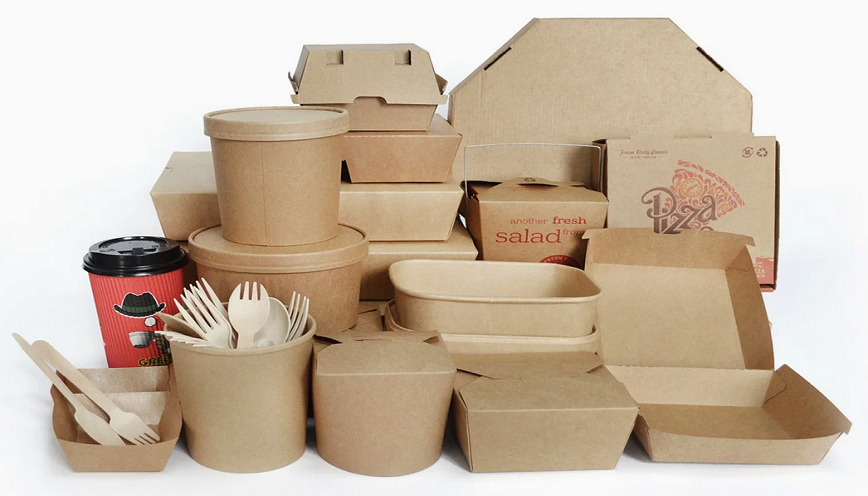
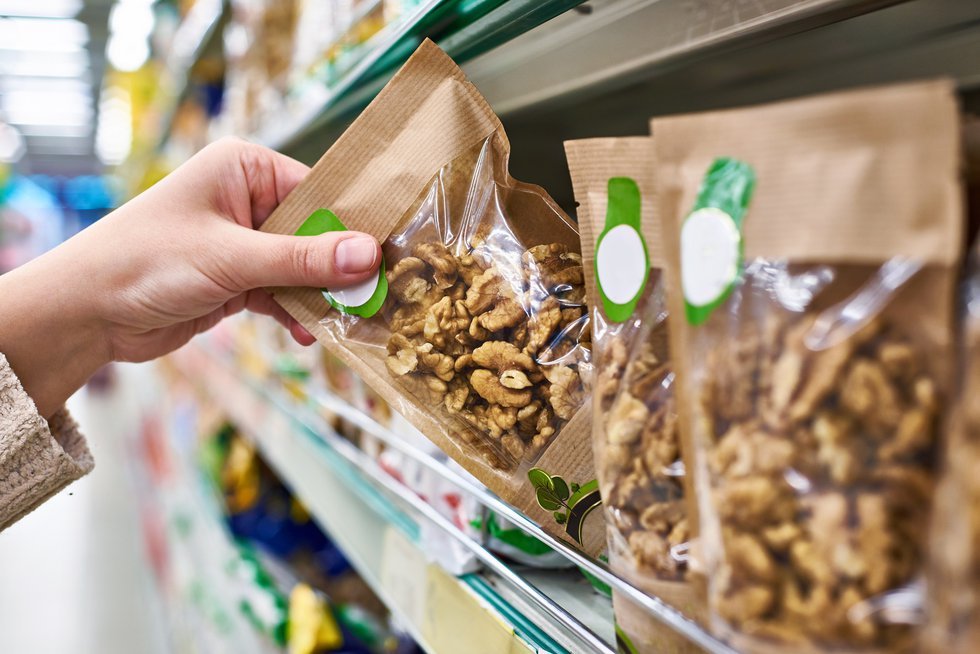
Not all packaging is created equal, and different types require tailored inspection methods. For example, food-safe packaging bags may need more rigorous leak testing, while food-safe packaging boxes are often evaluated for structural integrity and contamination risks. Liners, such as those explained in food-safe packaging liners, are inspected for chemical migration and compatibility with various foods.
Understanding the specific inspection requirements for each packaging type helps businesses select the right solutions for their products and markets.
FAQ: Food-Safe Packaging Inspection
What is the main purpose of inspecting food packaging?
The primary goal is to ensure that packaging does not compromise food safety or quality. Inspections verify that materials are suitable for food contact, free from contaminants, and compliant with regulatory standards.
How often should food packaging be inspected?
Inspection frequency depends on the type of packaging, the food product, and regulatory requirements. Most manufacturers inspect every batch, while periodic audits and random sampling are also common practices.
What happens if packaging fails inspection?
If packaging does not meet safety or quality standards, it is rejected and not used for food products. The manufacturer may investigate the root cause, implement corrective actions, and retest before resuming production.
Are there differences between food-safe and food-grade packaging?
Yes. Food-grade packaging meets basic requirements for food contact, while food-safe packaging has been tested and proven not to transfer harmful substances to food under normal use conditions.
Can sustainable packaging materials be food-safe?
Absolutely. Many recyclable and compostable materials can be certified as food-safe, provided they pass all necessary inspections and comply with relevant regulations.
In summary, a robust inspection process for food packaging is essential to protect consumers and maintain brand trust. By understanding each step, staying current with regulations, and working with reliable partners, businesses can ensure their products reach customers safely and compliantly.