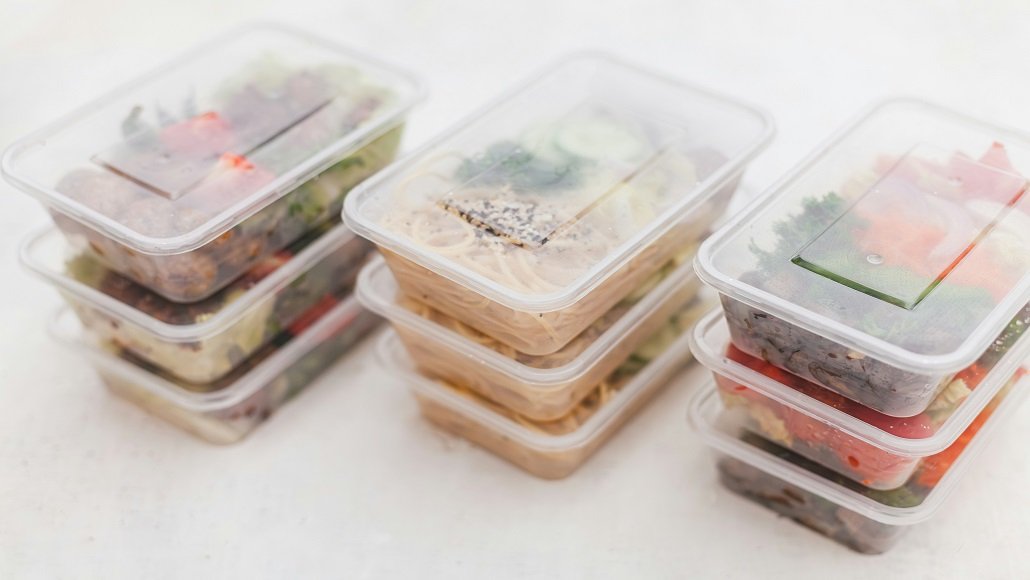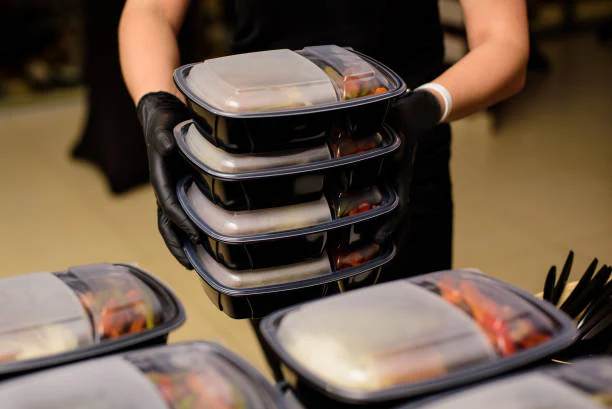
Maintaining food-safe packaging hygiene is essential for anyone involved in the food industry, from manufacturers and distributors to retailers and consumers. Proper hygiene practices in packaging help prevent contamination, protect consumer health, and ensure compliance with food safety regulations. Understanding the principles behind hygienic packaging and how to implement them is crucial for delivering safe, high-quality food products.
Whether you are new to the topic or looking to refine your current processes, this article provides a comprehensive overview of the key concepts, best practices, and regulatory considerations for keeping food packaging clean and safe. For those interested in a deeper dive into related topics, you may also find value in our guide on food-safe packaging contamination prevention.
Why Hygiene in Food Packaging Matters
The cleanliness of packaging materials directly impacts the safety and shelf life of food products. If packaging is not handled, stored, or manufactured under hygienic conditions, it can introduce harmful microorganisms, chemicals, or physical contaminants into the food supply. This can lead to foodborne illnesses, product recalls, and damage to brand reputation.
Regulatory agencies worldwide, such as the FDA and EFSA, require strict adherence to hygiene standards in the food packaging sector. These standards are designed to minimize risks and ensure that packaging does not compromise the safety or quality of the food it contains.
Key Principles of Food-Safe Packaging Hygiene
To achieve high standards of cleanliness, several core principles should guide the handling and production of food packaging:
- Material Selection: Only use materials that are certified as safe for food contact. These materials should not leach harmful substances into food.
- Clean Manufacturing Environments: Facilities must be regularly cleaned and sanitized to prevent cross-contamination.
- Employee Hygiene: Workers should follow strict personal hygiene protocols, including handwashing and wearing appropriate protective clothing.
- Proper Storage: Packaging materials should be stored in clean, dry areas away from chemicals and potential contaminants.
- Regular Testing: Routine microbiological and chemical testing of packaging materials helps ensure ongoing compliance with safety standards.

Best Practices for Maintaining Clean Packaging
Implementing effective hygiene measures in packaging operations involves a combination of facility management, staff training, and process controls. Here are some best practices to consider:
- Establish Standard Operating Procedures (SOPs): Documented procedures for cleaning, handling, and inspecting packaging materials help ensure consistency and accountability.
- Monitor Environmental Conditions: Control temperature, humidity, and air quality in storage and production areas to reduce microbial growth.
- Use Food-Grade Cleaning Agents: Only approved cleaning chemicals should be used, and residues must be thoroughly removed before packaging comes into contact with food.
- Train Staff Regularly: Ongoing education ensures that all employees understand the importance of hygiene and know how to implement best practices.
- Conduct Routine Audits: Regular inspections and audits help identify potential risks and areas for improvement.
Recognizing Food-Grade and Safe Packaging Materials
Not all packaging is suitable for direct food contact. To determine if a material is safe, look for certifications or compliance statements from recognized authorities. Materials such as certain plastics, glass, and specific types of paper are commonly used for food packaging, but each must meet strict safety criteria.
For a detailed explanation of how to verify if a packaging material is appropriate for food use, refer to this comprehensive guide on identifying food-safe packaging materials.

Common Challenges in Packaging Hygiene
Even with robust procedures in place, several challenges can arise in maintaining high standards of cleanliness:
- Supply Chain Complexity: Multiple handling points increase the risk of contamination.
- Changing Regulations: Staying updated with evolving food safety laws requires ongoing attention.
- Material Innovations: New packaging technologies may require updated hygiene protocols.
- Human Error: Inadequate training or lapses in protocol can compromise safety.
Addressing these challenges requires a proactive approach, including regular training, investment in quality control, and collaboration with trusted suppliers.
Regulatory Standards and Compliance
Compliance with national and international standards is non-negotiable in the food packaging industry. Regulations typically cover:
- Acceptable materials for food contact
- Limits on chemical migration from packaging to food
- Sanitation requirements for production facilities
- Labeling and traceability of packaging materials
Regular audits and documentation are essential for demonstrating compliance and for responding quickly in the event of a recall or inspection.
Integrating Hygiene into Sustainable Packaging
As the demand for eco-friendly packaging grows, it is important to ensure that sustainability does not come at the expense of safety. Biodegradable and compostable materials must still meet the same hygiene and safety standards as traditional options.
Manufacturers should work closely with suppliers to verify that sustainable packaging solutions are both environmentally responsible and safe for food contact.
Related Topics and Further Reading
For those interested in exploring more about safe packaging, you may want to read about the differences between food-safe and non-food-safe packaging, the benefits of using hygienic packaging, or the potential risks associated with improper packaging. Specialized guidance is also available for packaging baby food safely.
Frequently Asked Questions
What are the most important steps for maintaining food-safe packaging hygiene?
The most critical steps include selecting certified food-grade materials, maintaining clean production environments, ensuring proper employee hygiene, and conducting regular inspections and testing. Consistent training and adherence to documented procedures are also essential.
How can I tell if packaging is truly safe for food contact?
Look for certifications from recognized authorities, such as FDA approval or compliance with EU regulations. Suppliers should provide documentation confirming that the materials meet all relevant food safety standards. For more details, see the guide to identifying food-safe packaging materials.
Are eco-friendly packaging materials as safe as traditional ones?
Sustainable packaging materials can be just as safe as conventional options, provided they are manufactured and handled according to food safety standards. Always verify that eco-friendly packaging is certified for food contact and meets all hygiene requirements.