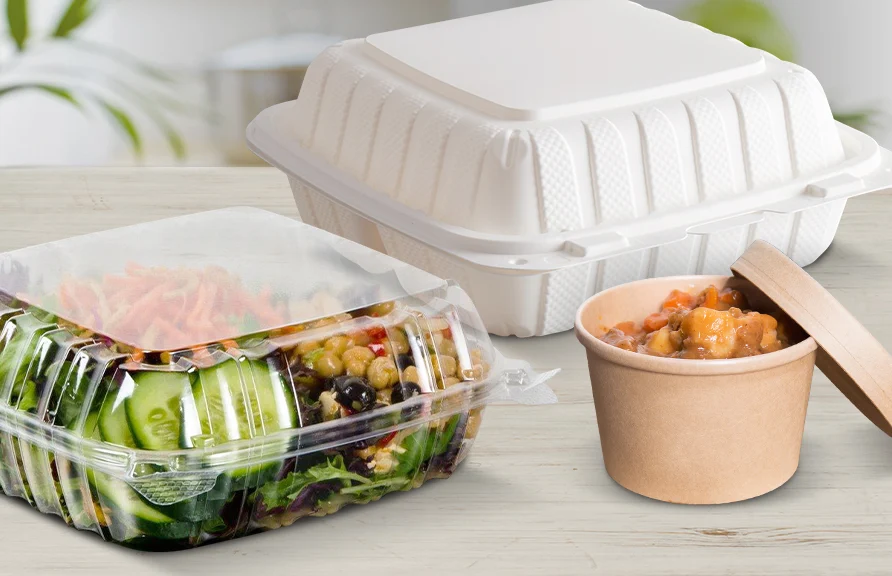
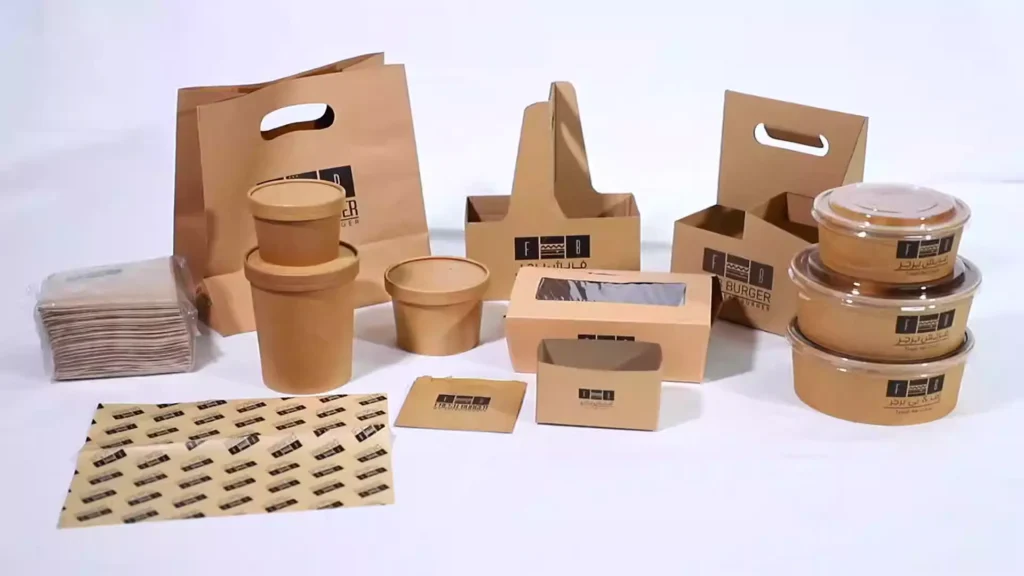
The safety and quality of food products depend heavily on the type of packaging used, especially when dealing with items that are easily affected by environmental factors. Food-safe packaging for sensitive food plays a crucial role in maintaining freshness, preventing contamination, and ensuring that products reach consumers in optimal condition. Understanding the materials, standards, and best practices behind these packaging solutions is essential for anyone involved in food production, distribution, or retail.
In this article, we’ll break down what makes packaging suitable for delicate foods, explore the most common materials, and highlight the regulations that keep consumers safe. For those interested in the broader journey of packaging, you can also learn more about the food-safe packaging lifecycle and how it impacts sustainability and food quality.

Understanding Sensitive Foods and Their Packaging Needs
Sensitive foods include products that are highly perishable, easily contaminated, or reactive to environmental changes. Examples are dairy, fresh produce, meats, ready-to-eat meals, and baby foods. These items require packaging that not only preserves their quality but also prevents the migration of harmful substances.
The main goals of food-safe packaging for sensitive food are:
- Preventing contamination from external sources
- Maintaining the correct moisture and oxygen levels
- Protecting against light, temperature, and physical damage
- Ensuring that packaging materials do not leach chemicals into the food
Key Materials Used in Food-Safe Packaging
Selecting the right material is fundamental for protecting delicate food items. The most common materials for safe packaging include:
- Plastics (such as PET, HDPE, LDPE, and PP): Widely used for their versatility and barrier properties. They are suitable for liquids, snacks, and ready-to-eat products.
- Glass: Non-reactive and impermeable, glass is ideal for products like baby food, sauces, and beverages.
- Metals (aluminum, tinplate): Used in cans and foil wraps, metals provide excellent protection from light and oxygen.
- Paper and cardboard: Often used as secondary packaging or for dry foods, these materials are treated or coated to improve barrier properties.
- Composites: Multi-layer structures that combine the strengths of different materials, commonly found in juice boxes and vacuum-sealed pouches.

Regulatory Standards and Certifications
To ensure consumer safety, packaging for delicate foods must comply with strict regulations. In most countries, agencies such as the FDA (U.S.), EFSA (Europe), and CFIA (Canada) set standards for materials and manufacturing processes. These regulations focus on:
- Migration limits for chemicals from packaging to food
- Approved substances for food contact
- Labeling and traceability requirements
Third-party certifications, such as ISO 22000 (food safety management) and BRCGS (British Retail Consortium Global Standards), further validate that packaging suppliers adhere to international best practices.
For a deeper dive into the specific requirements and testing protocols, see this comprehensive guide to food-grade packaging materials and requirements.
Innovations in Food-Safe Packaging for Sensitive Food
The industry is constantly evolving to address new challenges. Recent innovations include:
- Active packaging: Incorporates substances that absorb oxygen or moisture, extending shelf life for sensitive foods.
- Intelligent packaging: Uses indicators or sensors to show when a product is no longer safe to consume. For more on this, explore developments in color changing food-safe packaging.
- Biodegradable and compostable options: Designed to reduce environmental impact while maintaining safety standards. Learn more about composting food packaging and its role in sustainability.
- Improved barrier coatings: New coatings enhance the protective qualities of paper and cardboard, making them suitable for a wider range of sensitive foods.

Best Practices for Selecting and Using Food-Safe Packaging
Choosing the right packaging for delicate food products involves more than just picking a material. Here are some best practices:
- Assess product sensitivity: Understand how your food reacts to light, oxygen, moisture, and temperature.
- Match packaging to product needs: Use high-barrier materials for products prone to spoilage and opt for inert materials for acidic or reactive foods.
- Verify compliance: Ensure all packaging meets local and international food safety regulations.
- Consider recyclability: Where possible, choose packaging that supports plastic recycling in food packaging or composting.
- Monitor supply chain: Work with reputable suppliers who can provide traceability and documentation for their packaging materials.
Challenges in Maintaining Food Safety for Sensitive Products
Despite advancements, several challenges remain in ensuring the safety of delicate food items:
- Supply chain complexity: Multiple handling points increase the risk of contamination or damage.
- Changing regulations: Keeping up with evolving food safety standards requires ongoing diligence.
- Consumer expectations: There is growing demand for packaging that is both safe and environmentally friendly.
- Cost pressures: High-quality, compliant packaging can be more expensive, impacting margins for producers and retailers.
Addressing these challenges requires collaboration across the supply chain and a commitment to continuous improvement.
FAQ: Food-Safe Packaging for Sensitive Food
What makes packaging “food-safe” for delicate foods?
Packaging is considered food-safe when it is made from materials that do not transfer harmful chemicals to the food, are resistant to contamination, and comply with regulatory standards. For sensitive products, packaging must also provide adequate barriers against moisture, oxygen, and light.
How can I tell if packaging is suitable for sensitive foods?
Look for certifications, regulatory compliance marks, and documentation from suppliers. Packaging should be labeled as food-grade and, ideally, tested for migration and barrier properties relevant to your product type.
Are sustainable packaging options available for sensitive foods?
Yes, there are biodegradable, compostable, and recyclable options that meet food safety standards. However, it’s important to ensure that these materials still provide the necessary protection for your specific product. Innovations in coatings and composites are making sustainable packaging more accessible for delicate foods.
What role does packaging play in food recalls?
Packaging can be a factor in food recalls if it fails to protect the product or if it contains unapproved substances. Proper selection and testing of packaging materials help minimize the risk of recalls due to contamination or migration of harmful chemicals.
How does packaging impact the shelf life of sensitive foods?
The right packaging extends shelf life by protecting against spoilage factors like oxygen, moisture, and light. Advanced solutions such as active and intelligent packaging can further monitor and preserve product quality over time.