


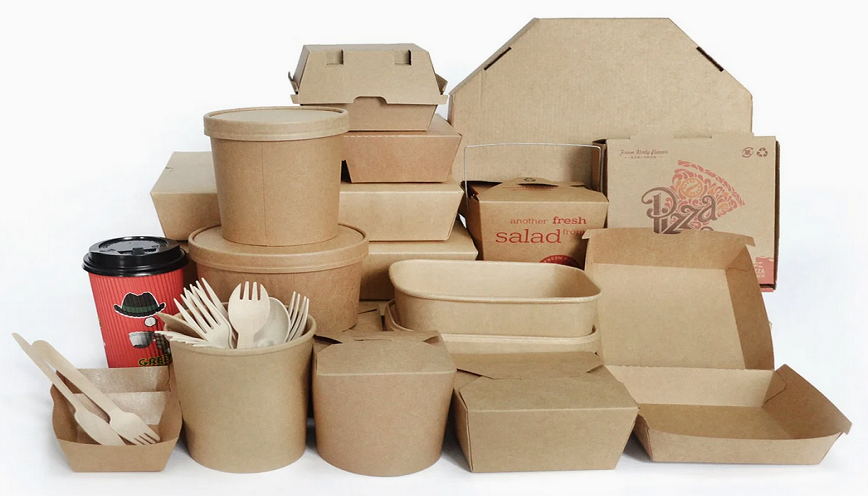
The demand for food-safe packaging for organic food has grown rapidly alongside the popularity of organic products. Consumers expect not only chemical-free ingredients but also packaging that preserves freshness, prevents contamination, and aligns with organic principles. Understanding how packaging impacts the safety and integrity of organic foods is essential for producers, retailers, and shoppers alike.
This article explores what makes packaging suitable for organic products, the materials and certifications involved, and how to choose the right options for your needs. For those interested in related topics, you may also want to learn about food-safe packaging for vegan products, which shares similar challenges and solutions.
Why Packaging Matters for Organic Products
Organic foods are valued for being free from synthetic pesticides, additives, and genetically modified organisms. However, the benefits can be compromised if the packaging introduces contaminants or fails to protect the food from spoilage. Food-safe packaging for organic food ensures that the product remains pure from production to consumption.
- Prevents contamination: Proper packaging acts as a barrier against bacteria, moisture, and external pollutants.
- Preserves freshness: Airtight and moisture-resistant materials help extend shelf life without artificial preservatives.
- Supports organic claims: Packaging must not contain substances that could compromise the organic status of the food.
- Meets regulatory standards: Compliance with food safety and organic certification requirements is mandatory for market access.
Key Features of Food-Safe Packaging for Organic Food
Not all packaging materials are suitable for organic products. The ideal packaging should meet several criteria to ensure safety and compliance:
- Non-toxic materials: Packaging must be free from harmful chemicals such as BPA, phthalates, and heavy metals.
- Migration testing: Materials should be tested to ensure that no substances migrate from the packaging into the food.
- Traceability: Packaging should be traceable to its source to verify compliance with organic standards.
- Eco-friendly options: Many organic brands prefer biodegradable, compostable, or recyclable materials to minimize environmental impact.

Common Materials Used in Organic Food Packaging
The choice of material is crucial for maintaining the integrity of organic foods. Here are some widely used options:
- Paper and cardboard: Often used for dry goods, these materials are biodegradable and can be sourced from recycled content. They must be treated with food-safe coatings.
- Bioplastics: Derived from renewable sources like corn starch or sugarcane, bioplastics are compostable and suitable for a range of products.
- Glass: Inert and non-reactive, glass is ideal for liquids and preserves, offering excellent protection without chemical leaching.
- Plant fiber containers: Made from bagasse, bamboo, or other fibers, these are increasingly popular for takeout and ready-to-eat organic meals.
- Metal cans: Used for canned organic foods, provided they have BPA-free linings.

Certifications and Regulations for Food-Safe Packaging
Packaging for organic foods must comply with both food safety and organic regulations. In many regions, this means meeting standards set by organizations such as the USDA, EU Organic, or other local authorities. Certification bodies often require documentation that packaging materials are free from prohibited substances and do not compromise the organic status of the food.
For more details on regulatory requirements in specific countries, you can refer to resources like Canada food-safe packaging regulations or UK food-safe packaging regulations.
Choosing the Right Packaging for Your Organic Products
Selecting appropriate packaging involves balancing safety, sustainability, cost, and branding. Here are some practical steps to guide your decision:
- Assess product needs: Consider the food’s sensitivity to light, moisture, and oxygen.
- Check compatibility: Ensure the packaging material does not react with or alter the food.
- Review certifications: Look for packaging suppliers who can provide documentation of food safety and organic compliance.
- Evaluate sustainability: Opt for materials that align with your brand’s environmental values and are easy for consumers to recycle or compost.
- Stay informed: Packaging technologies and regulations are constantly evolving. Keep up to date with industry news and best practices.
For a deeper dive into packaging types and how to choose the best fit, see this guide to common food packaging types and selection tips.
Trends and Innovations in Organic Food Packaging
As consumer expectations rise, packaging for organic foods continues to evolve. Some notable trends include:
- Edible packaging: Innovations in edible films made from seaweed or starches offer zero-waste solutions for certain products.
- Active packaging: Materials that absorb oxygen or moisture help extend shelf life naturally, reducing the need for additives.
- Minimalist design: Clear labeling and simple packaging reduce material use and appeal to eco-conscious shoppers.
- Smart packaging: QR codes and sensors provide transparency about sourcing, freshness, and recycling instructions.
Producers and brands that invest in advanced, sustainable packaging not only protect their products but also build trust with organic consumers.
Frequently Asked Questions
What makes packaging food-safe for organic products?
Packaging is considered food-safe for organic products when it is made from non-toxic materials, has passed migration testing, and complies with both food safety and organic certification standards. It must not introduce any substances that could compromise the purity or organic status of the food.
Are biodegradable or compostable materials always the best choice?
Biodegradable and compostable packaging is often preferred for organic foods due to its environmental benefits. However, the best choice depends on the specific product, shelf life requirements, and local recycling or composting infrastructure. Always ensure that such materials are also certified food-safe.
How can I verify that packaging meets organic standards?
Look for documentation from packaging suppliers, such as certificates of compliance and test reports. Reputable suppliers will provide proof that their materials meet food safety and organic requirements. You can also consult with certification bodies or regulatory agencies for guidance.
Where can I learn more about packaging for sensitive or allergen-prone foods?
If your products require extra precautions, explore resources like food-safe packaging for sensitive food or food-safe packaging for allergens for additional insights.

