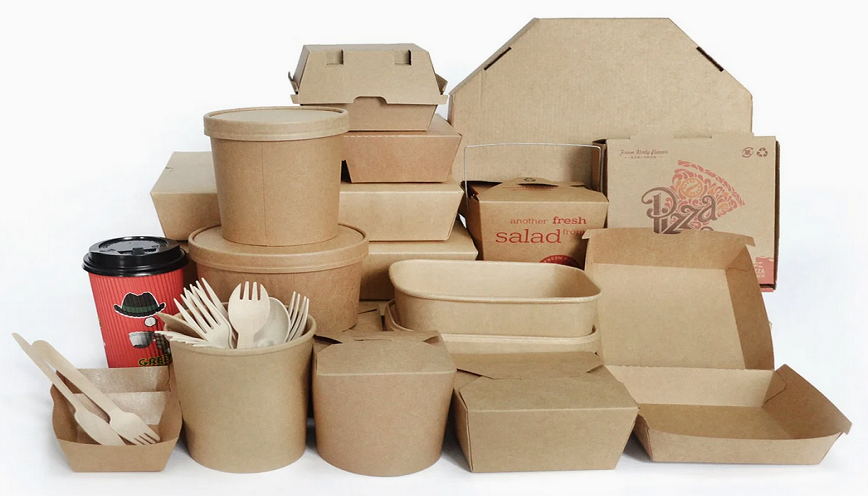
As the demand for gluten-free foods continues to grow, ensuring the safety and integrity of these products is more important than ever. For individuals with celiac disease or gluten sensitivity, even trace amounts of gluten can cause serious health issues. This makes food-safe packaging for gluten-free foods a critical aspect of the supply chain, from manufacturing to the consumer’s table.
Proper packaging not only preserves freshness and extends shelf life, but also plays a vital role in preventing cross-contamination. Understanding the requirements and best practices for safe packaging helps brands build trust with consumers and comply with food safety regulations. If you’re interested in how packaging requirements differ for other sensitive products, you may also want to explore food-safe packaging for vegan products.
Why Packaging Matters for Gluten-Free Products
The packaging of gluten-free foods serves several essential functions. First, it acts as a barrier against environmental factors such as moisture, oxygen, and light, which can degrade product quality. More importantly, it prevents the introduction of gluten from external sources during transport, storage, and handling.
For those with gluten intolerance, the risk of cross-contact is a constant concern. Packaging that is not specifically designed for allergen control can inadvertently expose gluten-free foods to wheat, barley, or rye. This is why the use of food-safe packaging for gluten-free foods is not just a marketing claim, but a health necessity.
Key Features of Food-Safe Packaging for Gluten-Free Foods
Not all packaging materials are created equal, especially when it comes to allergen-sensitive products. Here are some critical features to look for in packaging designed for gluten-free items:
- Barrier Properties: High-quality packaging should provide a robust barrier against contaminants, including airborne gluten particles.
- Sealable Closures: Resealable or tamper-evident closures help maintain product integrity after opening and reduce the risk of cross-contact.
- Material Safety: All materials must be certified as food-grade and free from substances that could leach into the food.
- Clear Labeling: Packaging should include clear gluten-free labeling and allergen warnings to inform consumers and handlers.
- Traceability: Batch codes and manufacturing details on packaging support traceability in the event of a recall or quality issue.
Preventing Cross-Contamination with Safe Packaging
Cross-contamination is one of the greatest risks for gluten-free foods. Even minute traces of gluten can make a product unsafe for sensitive individuals. To address this, manufacturers must implement strict protocols throughout the packaging process:
- Dedicated Equipment: Using separate lines or thoroughly cleaned equipment for gluten-free packaging reduces contamination risks.
- Controlled Environments: Packaging should take place in areas where gluten-containing products are not handled simultaneously.
- Employee Training: Staff must be trained on the importance of allergen control and proper hygiene practices.
- Packaging Design: Single-serve and individually wrapped portions can further minimize exposure during distribution and retail display.
For more information on allergen management in packaging, you may find this resource on food-safe packaging for allergens helpful.
Types of Materials Used in Gluten-Free Food Packaging
Selecting the right packaging material is crucial for maintaining the safety and quality of gluten-free foods. Common materials include:
- Plastic Films: Widely used for their barrier properties and flexibility. Ensure plastics are BPA-free and food-grade certified.
- Paperboard: Often used for dry goods, but must be coated or lined to prevent moisture ingress and contamination.
- Glass: Inert and impermeable, glass is ideal for products that require long shelf life and protection from external elements.
- Metal Cans: Suitable for processed foods, provided the lining is food-safe and free from allergens.

Labeling and Regulatory Considerations for Gluten-Free Packaging
Accurate labeling is a cornerstone of safe packaging for gluten-free foods. Regulatory bodies in many countries have established guidelines for what constitutes a gluten-free product and how it must be labeled. For example, in the United States, the FDA requires that foods labeled “gluten-free” contain less than 20 parts per million (ppm) of gluten.
It’s also important to comply with packaging regulations specific to your region. For those selling in Canada or the UK, reviewing the latest rules is essential. You can learn more about Canada food-safe packaging regulations and UK food-safe packaging regulations for further details.
In addition to legal compliance, clear and honest labeling helps consumers make informed choices and builds brand credibility. Always include statements regarding gluten content, allergen warnings, and any relevant certifications.
Best Practices for Manufacturers and Brands
To ensure the highest level of safety and consumer confidence, manufacturers should adopt the following best practices:
- Source packaging materials from reputable suppliers with food-grade certifications.
- Conduct regular audits and testing for gluten contamination in both products and packaging materials.
- Maintain detailed records of packaging batches and suppliers for traceability.
- Engage in transparent communication with consumers about allergen control measures.
- Stay updated on evolving regulations and industry standards for gluten-free packaging.
For a deeper dive into what makes packaging food-grade and how to select the right materials, see this comprehensive guide to food-grade packaging.
Innovations and Trends in Gluten-Free Food Packaging
The packaging industry continues to evolve, with new technologies and materials designed to enhance food safety and sustainability. Some emerging trends include:
- Biodegradable and Compostable Materials: These options reduce environmental impact while maintaining food safety standards.
- Smart Packaging: Incorporates sensors or indicators to monitor freshness and detect contamination.
- Minimalist Design: Reduces unnecessary packaging layers, lowering the risk of cross-contact and waste.
- Personalized Packaging: Custom packaging solutions tailored to specific dietary needs, including gluten-free and other allergens.
As consumer awareness grows, brands that invest in safe, innovative packaging solutions can differentiate themselves and foster loyalty among gluten-free shoppers.
FAQ: Common Questions About Safe Packaging for Gluten-Free Foods
What makes packaging “food-safe” for gluten-free products?
Food-safe packaging for gluten-free foods is made from materials that do not contain or transfer harmful substances, including gluten. It must also prevent cross-contamination during manufacturing, transport, and storage. Certification as food-grade and compliance with allergen control protocols are essential.
How can consumers identify safe packaging for gluten-free foods?
Look for clear gluten-free labeling, allergen warnings, and certifications such as “Certified Gluten-Free.” Packaging should be sealed and undamaged, with batch codes or traceability information visible. If in doubt, check the manufacturer’s website or contact customer service for details.
Are there regulations governing packaging for gluten-free foods?
Yes, most countries have regulations that define what can be labeled as gluten-free and how packaging should communicate this to consumers. In addition to gluten content limits, packaging must follow food safety standards for materials and labeling. Always consult local regulations for specific requirements.
Can packaging materials themselves contain gluten?
While rare, some adhesives, coatings, or recycled materials could potentially contain gluten. That’s why it’s important for manufacturers to source certified food-grade materials and conduct regular testing to ensure safety.
Conclusion
Ensuring the safety of gluten-free foods goes beyond the ingredients list—it extends to every aspect of packaging and handling. By understanding the features, materials, and regulations involved in food-safe packaging for gluten-free foods, brands and consumers alike can help prevent cross-contamination and protect those with gluten sensitivities. As packaging technology advances, expect even greater assurance of safety and quality for gluten-free products in the marketplace.