The world of food-safe packaging distributors is essential for businesses in the food industry, from bakeries and restaurants to food manufacturers and retailers. These companies serve as the critical link between packaging producers and the businesses that need reliable, compliant, and hygienic packaging solutions. Understanding how these distributors operate, what they offer, and how to choose the right partner can help ensure your food products remain fresh, safe, and appealing to customers.
Whether you are launching a new food product or looking to upgrade your current packaging, working with the right distributor can make a significant difference. This article will clarify the role of these suppliers, highlight what to look for, and provide practical advice for making informed decisions.
For those interested in exploring specific packaging types, you can learn more about food-safe packaging wraps and how they contribute to product safety and presentation.
What Do Food Packaging Distributors Do?
At their core, food-safe packaging distributors act as intermediaries between packaging manufacturers and businesses that require packaging for food products. They source, stock, and supply a wide range of packaging materials that meet strict safety and regulatory standards. Their offerings often include:
- Boxes, bags, wraps, and liners designed for direct food contact
- Custom-printed packaging for branding and compliance
- Eco-friendly and sustainable packaging options
- Consultation on regulatory requirements and certifications
- Logistics and inventory management for timely delivery
Distributors play a crucial role in ensuring that businesses have access to packaging that not only protects food products but also meets legal and industry standards for food safety.
Types of Food-Safe Packaging Solutions
The range of packaging available through distributors is extensive. Some of the most common categories include:
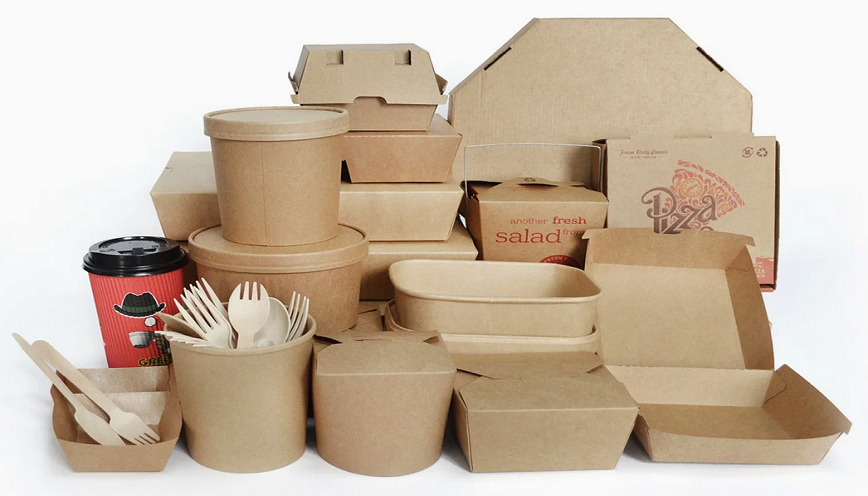
- Boxes: Used for bakery items, takeout, and retail foods. These are often made from food-grade cardboard or paperboard.
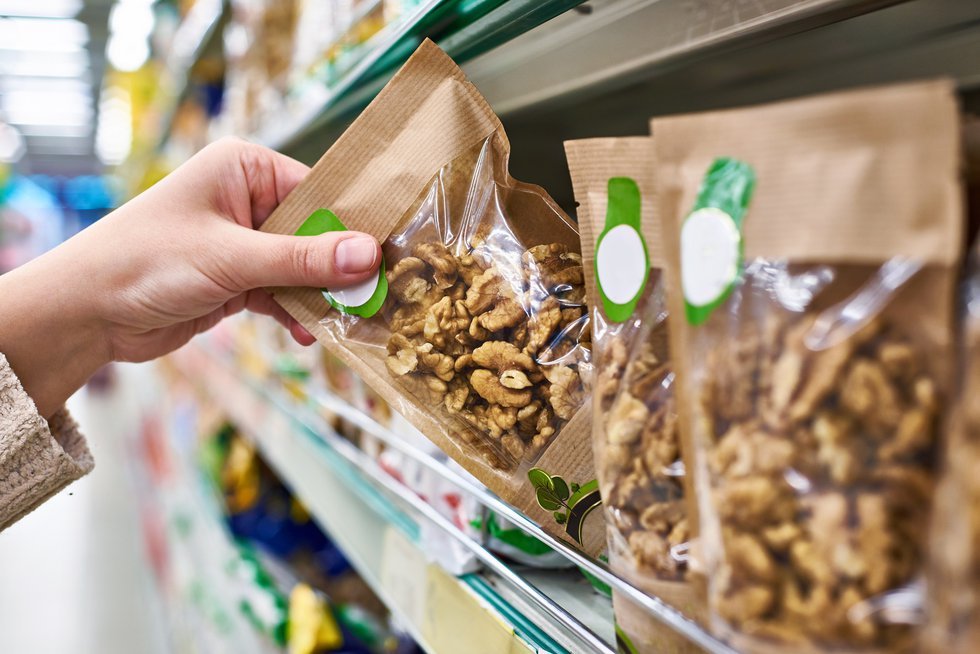
- Bags: Options include paper, plastic, or compostable materials for bread, produce, and snacks.
- Wraps and Liners: Essential for deli meats, cheeses, and baked goods to prevent contamination and preserve freshness.
- Containers: Rigid or flexible containers for ready-to-eat meals, salads, and desserts.
- Eco-Friendly Alternatives: Compostable, biodegradable, or recyclable packaging to meet sustainability goals.
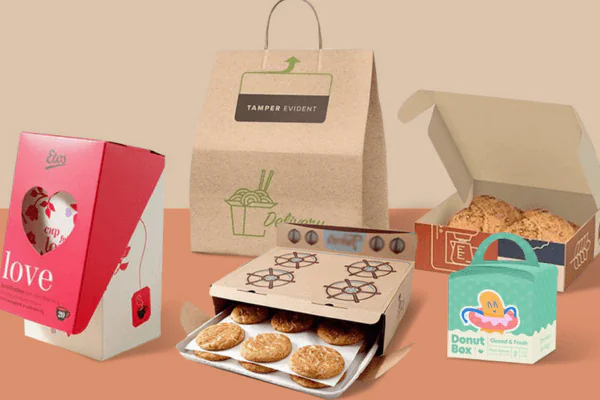
For more details on specific packaging types, you may also want to review resources on food-safe packaging boxes and food-safe packaging bags.
Why Food-Safe Packaging Matters
The importance of using packaging that meets food safety standards cannot be overstated. Proper packaging helps:
- Prevent contamination from bacteria, allergens, and foreign materials
- Maintain product freshness and extend shelf life
- Comply with local and international food safety regulations
- Enhance brand reputation by demonstrating commitment to safety
Distributors specializing in food-safe solutions ensure that all materials are tested and certified for direct contact with food. This is especially important for businesses that handle perishable or ready-to-eat products.
How to Choose the Right Food-Safe Packaging Partner
Selecting a distributor is a decision that impacts both compliance and customer satisfaction. Here are some key factors to consider:
- Certifications and Compliance: Ensure the distributor provides documentation proving that their packaging meets FDA, EU, or other relevant food safety standards.
- Product Range: Look for a supplier with a broad selection of packaging types and materials to suit your specific needs.
- Customization: If branding is important, check if they offer custom printing and design services.
- Reliability and Logistics: Timely delivery and consistent stock levels are essential for uninterrupted business operations.
- Sustainability: Consider distributors that offer eco-friendly options and can help you reduce your environmental footprint.
- Customer Support: Responsive service and knowledgeable staff can help resolve issues quickly and provide valuable guidance.
Key Certifications and Standards
When evaluating packaging suppliers, it is important to understand the certifications that indicate compliance with food safety standards. Common certifications and regulations include:
- FDA (U.S. Food and Drug Administration): Ensures materials are safe for direct food contact.
- EU Food Contact Materials Regulation: Sets requirements for packaging used in the European Union.
- BRCGS Packaging Materials: Global standard for packaging safety and quality.
- ISO 22000: International standard for food safety management systems.
Always request certification documentation from your distributor to verify compliance.
Trends in Sustainable Food Packaging
Sustainability is becoming a top priority for many businesses and consumers. Distributors are responding by offering:
- Compostable and biodegradable packaging materials
- Recyclable and recycled-content options
- Innovative materials such as plant-based plastics and paper alternatives
Choosing eco-friendly packaging not only helps the environment but can also enhance your brand image and appeal to environmentally conscious customers.
Working with Food Packaging Suppliers: Best Practices
Building a strong relationship with your distributor can streamline your operations and reduce risks. Consider these best practices:
- Communicate your needs clearly, including volume, delivery schedules, and customization requirements.
- Stay informed about changes in food safety regulations that may affect your packaging choices.
- Request samples to test packaging performance with your products.
- Review contracts and service agreements to ensure transparency on pricing and responsibilities.
- Maintain regular contact to address any supply chain disruptions or emerging needs.
For a deeper dive into the broader landscape of suppliers, see this overview of food-safe packaging suppliers.
Further Reading and Resources
For those seeking additional information on packaging solutions that meet food safety standards, the complete guide to food-safe packaging solutions provides a comprehensive look at materials, compliance, and industry trends.
If your business uses liners for trays, baskets, or boxes, you may also benefit from learning about food-safe packaging liners and their role in maintaining hygiene.
Frequently Asked Questions
What makes packaging “food-safe”?
Packaging is considered food-safe when it is made from materials that do not transfer harmful substances to food, are manufactured under hygienic conditions, and meet regulatory standards such as those set by the FDA or EU. Distributors ensure their products are tested and certified for direct food contact.
How do I verify if a distributor’s packaging is compliant?
Always ask for certification documents or test reports from your distributor. Look for recognized standards like FDA approval, BRCGS certification, or ISO 22000. Reputable distributors are transparent about their compliance credentials.
Are sustainable packaging options available through distributors?
Yes, many distributors now offer a range of sustainable options, including compostable, biodegradable, and recyclable packaging. These alternatives help reduce environmental impact while maintaining food safety.