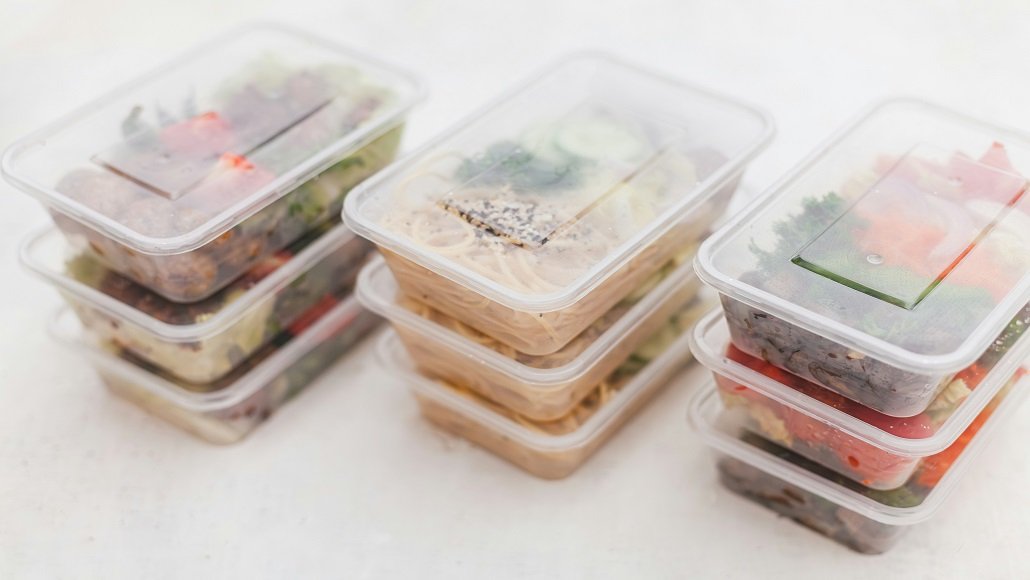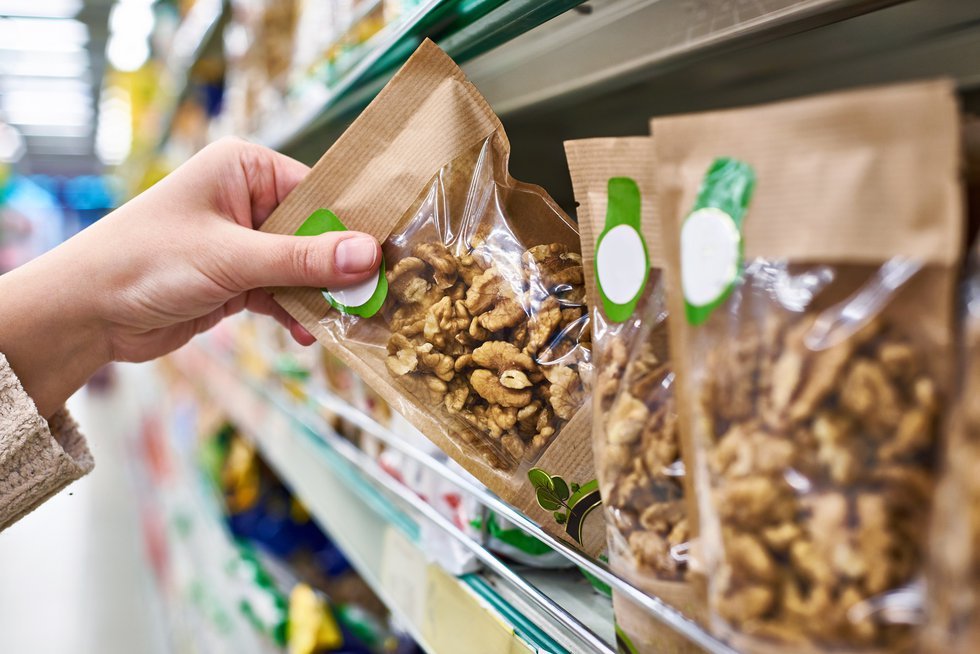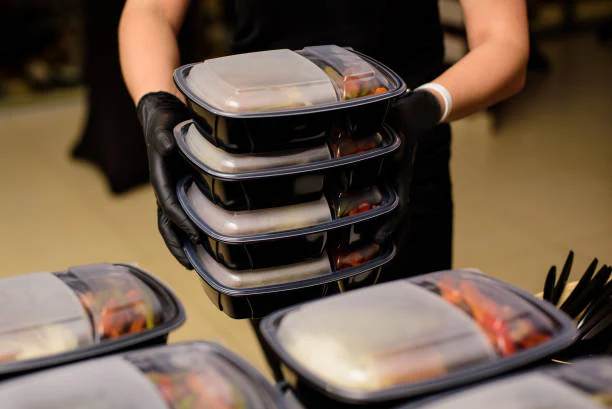
Preventing contamination in food packaging is a critical concern for manufacturers, retailers, and consumers alike. With growing awareness of food safety, understanding how to maintain hygienic packaging environments and select appropriate materials is essential. Effective food-safe packaging contamination prevention not only protects public health but also helps businesses comply with regulations and build consumer trust.
This article explores the most important strategies, materials, and best practices for keeping packaged food safe from contaminants. We’ll also highlight the differences between food-safe and non-food-safe packaging, and offer practical guidance for businesses looking to improve their packaging processes.
For a deeper look at potential hazards, see our guide on food-safe packaging risks.
Why Contamination Prevention in Food Packaging Matters
Ensuring that food packaging remains uncontaminated is vital for several reasons. First, contaminated packaging can introduce harmful bacteria, chemicals, or allergens into food products. This poses significant health risks, especially for vulnerable populations such as children, the elderly, and those with compromised immune systems.
Second, contamination can lead to costly recalls, legal liabilities, and damage to a brand’s reputation. Regulatory bodies around the world enforce strict standards for food packaging, and failure to comply can result in fines or business closures.
Common Sources of Contamination in Food Packaging
Understanding where contamination can occur is the first step in prevention. The most frequent sources include:
- Microbial contamination: Bacteria, molds, and yeasts can enter packaging during production or handling.
- Chemical contamination: Migration of harmful substances from packaging materials, inks, or adhesives into food.
- Physical contamination: Foreign objects such as glass, metal, or plastic fragments introduced during manufacturing or filling.
- Cross-contamination: Transfer of allergens or other unwanted substances from shared equipment or surfaces.
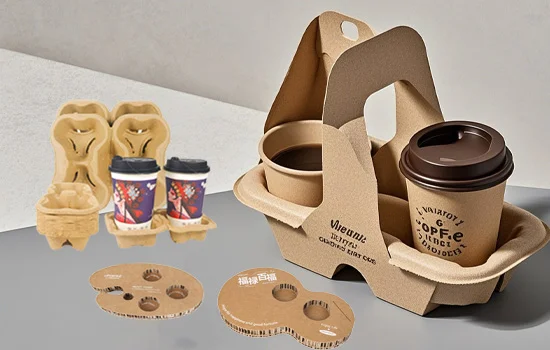
Best Practices for Food-Safe Packaging Contamination Prevention
Implementing robust protocols is essential for minimizing risks. Here are the most effective strategies:
1. Choose Certified Food-Grade Materials
Always select packaging materials that are certified as food-safe. These materials are tested to ensure they do not leach harmful chemicals or react with food products. For more on what qualifies as food-grade, refer to this comprehensive overview of food-grade packaging.
2. Maintain Strict Hygiene Standards
Cleanliness in production and packaging environments is non-negotiable. Regular cleaning and sanitization of equipment, surfaces, and hands help prevent microbial and physical contamination. Staff should be trained in proper hygiene protocols and wear appropriate protective clothing.
3. Monitor and Control the Supply Chain
Contamination can occur at any point, from raw material sourcing to transportation. Work with reputable suppliers and conduct regular audits to ensure compliance with food safety standards. Implement traceability systems to quickly identify and address issues if they arise.
4. Use Proper Storage and Handling Techniques
Store packaging materials in clean, dry environments away from chemicals and potential contaminants. Avoid stacking or storing packaging in areas where it could be exposed to dust, pests, or moisture.
5. Regularly Test and Inspect Packaging
Routine testing for chemical migration, microbial presence, and physical integrity is essential. Inspections should be documented, and any defective packaging should be removed from the supply chain immediately.
Key Materials and Their Role in Preventing Contamination
The choice of packaging material plays a significant role in contamination prevention. Common options include:
- Glass: Non-reactive and impermeable, but heavy and breakable.
- Metals (aluminum, tinplate): Excellent barrier properties, but require coatings to prevent corrosion.
- Plastics: Lightweight and versatile, but must be food-grade and free from harmful additives.
- Papers and boards: Often used for dry foods, but need food-safe coatings to prevent absorption and migration.
For a detailed comparison of different packaging materials, see our food-safe packaging materials comparison.

Regulatory Standards and Compliance
Food packaging regulations vary by country but generally require that materials do not transfer unsafe substances to food. Agencies such as the FDA (U.S.), EFSA (Europe), and CFIA (Canada) set guidelines for acceptable materials and manufacturing practices.
Businesses must stay informed about relevant regulations and ensure that their packaging meets or exceeds these standards. Documentation, certification, and regular audits are crucial for demonstrating compliance.
Training and Education for Staff
Employees play a direct role in maintaining packaging safety. Ongoing training ensures that staff understand the importance of hygiene, proper handling, and contamination prevention. Training should cover:
- Identifying and reporting potential contamination risks
- Correct use of personal protective equipment (PPE)
- Procedures for cleaning and sanitizing equipment
- Proper storage and transportation of packaging materials
Special Considerations for Sensitive Products
Some foods require extra precautions due to their susceptibility to contamination. For example, packaging for baby food or pet food must meet even stricter standards. Learn more about these requirements in our articles on food-safe packaging for baby food and food-safe packaging for pet food.
Frequently Asked Questions
What are the most common contaminants in food packaging?
The most frequent contaminants include microbes (bacteria, molds), chemicals (from inks, adhesives, or plastics), and physical objects (such as glass or metal fragments). Preventing these requires careful material selection, hygiene, and quality control.
How can businesses ensure their packaging is food-safe?
Companies should use certified food-grade materials, maintain clean production environments, train staff, and regularly test packaging for compliance. Working with reputable suppliers and staying up to date with regulations is also essential.
Are eco-friendly packaging materials safe for food?
Many sustainable packaging options are designed to be food-safe, but it’s important to verify certifications and ensure they meet regulatory standards. Not all biodegradable or recycled materials are automatically suitable for direct food contact.
What is the difference between food-safe and non-food-safe packaging?
Food-safe packaging is made from materials that do not release harmful substances into food and meet regulatory standards. Non-food-safe packaging may contain chemicals or components that can contaminate food. For more details, see our guide on food-safe packaging vs non-food-safe packaging.
Conclusion
Preventing contamination in food packaging is a shared responsibility that spans material selection, production processes, staff training, and regulatory compliance. By following best practices and staying informed about the latest standards, businesses can protect consumers and maintain the integrity of their products. Prioritizing food-safe packaging contamination prevention is not just a regulatory requirement—it’s a key factor in building trust and ensuring long-term success in the food industry.