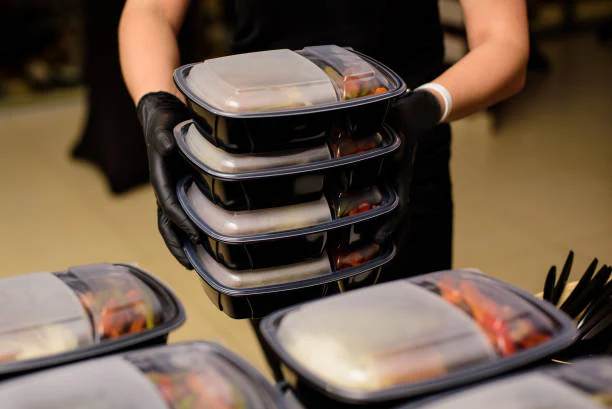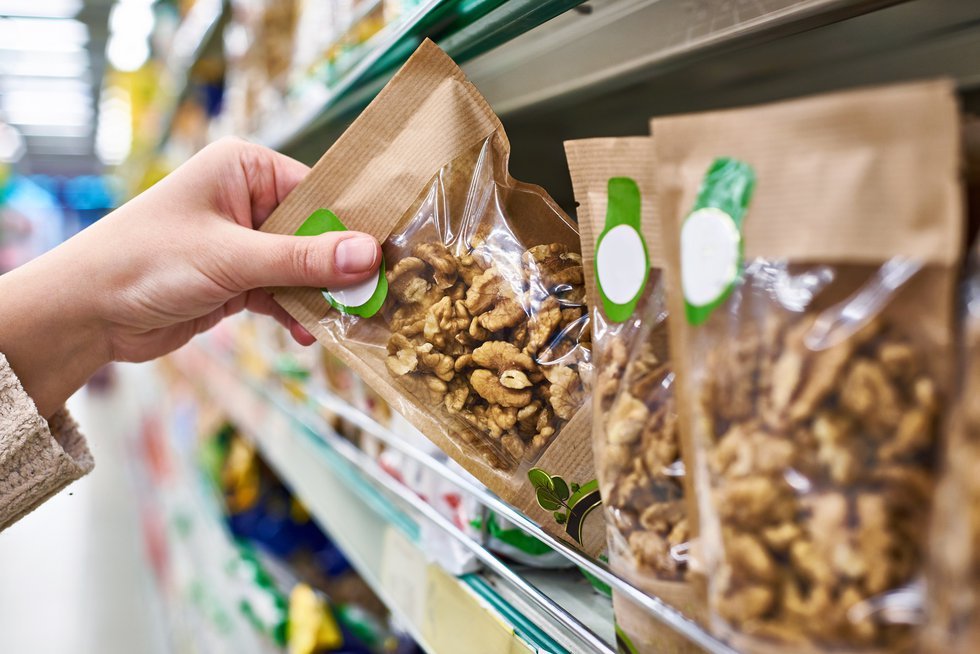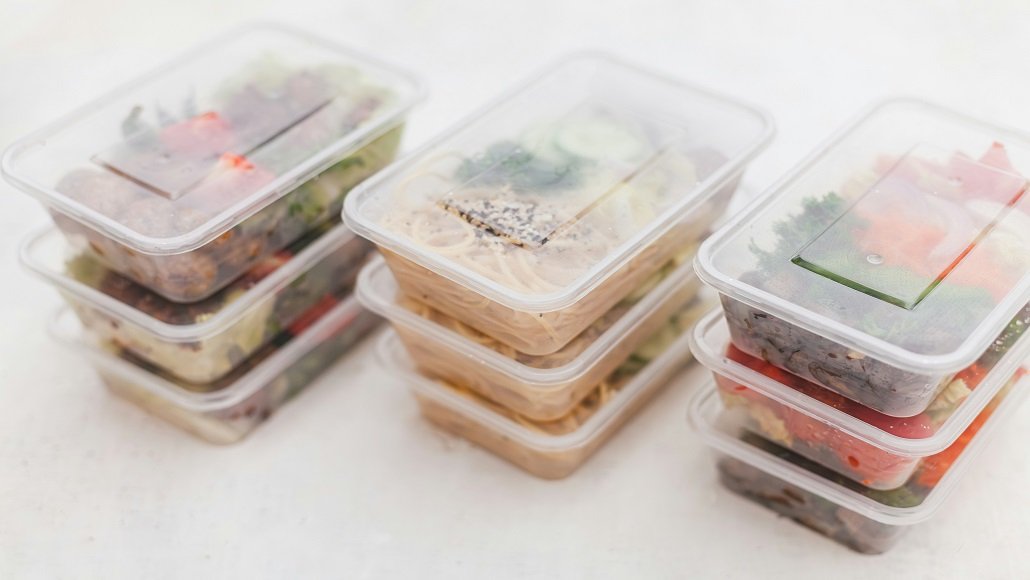
The importance of food-safe packaging benefits is more evident than ever as consumers and businesses alike prioritize health, safety, and product quality. Packaging that meets food safety standards not only protects the contents but also plays a crucial role in maintaining freshness, preventing contamination, and ensuring compliance with regulations. Understanding these advantages can help manufacturers, retailers, and consumers make informed decisions about the materials and processes used to package food products.
As the food industry evolves, selecting the right packaging is about more than just appearance or convenience. It’s about safeguarding the integrity of what’s inside and building trust with customers. For those interested in a deeper dive into contamination prevention strategies, our detailed guide on food-safe packaging contamination prevention offers valuable insights.
Understanding the Value of Safe Packaging for Food
At its core, food-safe packaging is designed to prevent harmful substances from migrating into food products. This includes the use of materials that are non-toxic, inert, and compliant with food safety regulations. By choosing packaging that meets these standards, businesses can significantly reduce the risk of contamination and spoilage.
In addition to health and safety, food-grade packaging supports product longevity and quality. It acts as a barrier against moisture, oxygen, light, and other environmental factors that can degrade food. This is particularly important for perishable goods, where even minor exposure can lead to rapid deterioration.

Key Food-Safe Packaging Benefits for Businesses and Consumers
The advantages of using packaging that meets food safety standards extend across the supply chain. Here are some of the most significant benefits:
- Protection from Contaminants: Proper packaging prevents the entry of bacteria, chemicals, and physical debris, reducing the risk of foodborne illnesses.
- Extended Shelf Life: By creating a controlled environment, food-safe materials help preserve freshness and flavor, minimizing waste and maximizing value.
- Regulatory Compliance: Meeting industry and governmental standards ensures that products can be sold legally and safely in various markets.
- Consumer Confidence: Clear labeling and visible quality assurance give shoppers peace of mind, encouraging repeat purchases and brand loyalty.
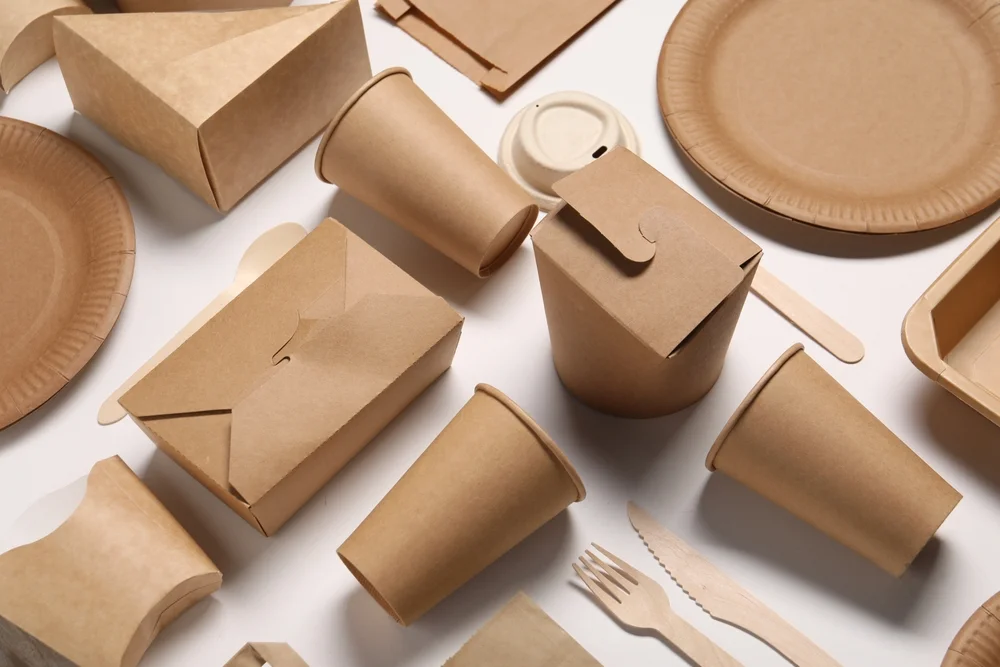
- Environmental Responsibility: Many modern food-safe options are recyclable or biodegradable, supporting sustainability efforts without compromising safety.
For a comparison of different packaging types and how to select the right one for your needs, see this comprehensive overview of food packaging materials and selection criteria.
How Food-Grade Packaging Enhances Safety and Quality
The science behind food-safe packaging involves careful selection of materials and manufacturing processes. Plastics, glass, metals, and certain papers are commonly used, each offering unique protective properties. For example, high-barrier plastics can keep out oxygen and moisture, while glass containers provide an inert, non-reactive environment.
Manufacturers must also consider potential risks, such as migration of chemicals from packaging into food. This is why rigorous testing and certification are essential. For those interested in understanding the potential downsides, our article on food-safe packaging risks explores these issues in detail.
Special Considerations for Sensitive Populations
Certain groups, such as infants and pets, require even stricter standards when it comes to packaging. For example, food-safe packaging for baby food must be free from substances like BPA and phthalates, which can pose health risks to developing bodies. Similarly, food-safe packaging for pet food ensures that animals are not exposed to harmful chemicals or contaminants.
These specialized solutions highlight the adaptability and importance of food-grade packaging across different product categories and consumer needs.
Comparing Safe and Unsafe Packaging Options
Not all packaging is created equal. Some materials, while suitable for general use, may not meet the requirements for direct food contact. For a detailed breakdown, our resource on food-safe packaging vs non-food-safe packaging outlines the differences, helping businesses and consumers make safer choices.
Choosing certified, food-grade materials is the most reliable way to ensure safety. Look for packaging that is clearly labeled as compliant with relevant standards, and avoid using containers not intended for food storage.
Frequently Asked Questions
What makes packaging food-safe?
Packaging is considered food-safe when it is made from materials that do not transfer harmful chemicals, odors, or flavors to the food. These materials must be approved by regulatory agencies and undergo testing to ensure they are suitable for direct contact with edible products.
How does food-safe packaging extend shelf life?
By providing a barrier against moisture, oxygen, and light, food-grade packaging slows down the processes that cause spoilage. This helps keep food fresh for longer periods, reducing waste and improving product quality.
Are eco-friendly packaging options also food-safe?
Many sustainable packaging solutions are designed to be both environmentally friendly and safe for food contact. However, it’s important to verify that any eco-friendly option is certified for food use to ensure it meets safety standards.