


Choosing the right printing method is essential for anyone involved in custom apparel, whether you’re a business owner, designer, or simply curious about how your favorite t-shirts are made. The difference between screen printing and digital printing for apparel affects everything from cost and turnaround time to print quality and design flexibility. Understanding these distinctions will help you make informed decisions for your next project.
Both techniques have unique strengths and limitations. While one approach might be ideal for large, bold designs and bulk orders, the other excels at producing intricate, multi-colored artwork—even in small quantities. In this article, we’ll break down the main contrasts between these two popular methods, covering process details, quality, cost, and more.
For those interested in how digital methods are transforming other industries, you might also want to explore digital printing for food-safe packaging, which highlights similar innovations in packaging technology.
Understanding the Printing Techniques
How Traditional Screen Printing Works
Screen printing, sometimes called silkscreen printing, is a process that uses a mesh stencil (the “screen”) to transfer ink onto fabric. Each color in a design requires its own screen, and ink is pushed through the mesh onto the garment using a squeegee. This method has been a staple in the apparel industry for decades due to its durability and vibrant results.
- Best for: High-volume orders, bold graphics, and designs with limited colors
- Setup: Time-consuming, as each color needs a separate screen and alignment
- Materials: Works well on cotton and blends, but can be used on various textiles
What Sets Digital Printing Apart
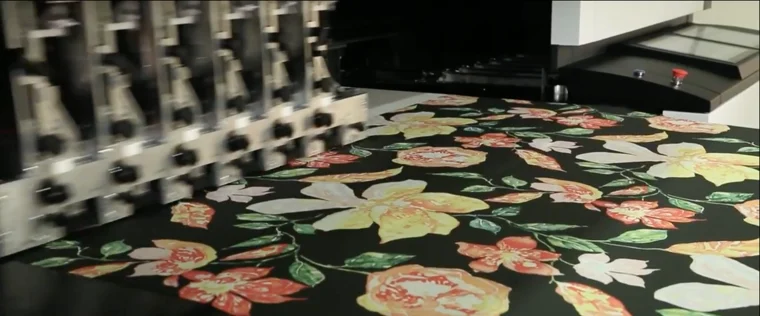
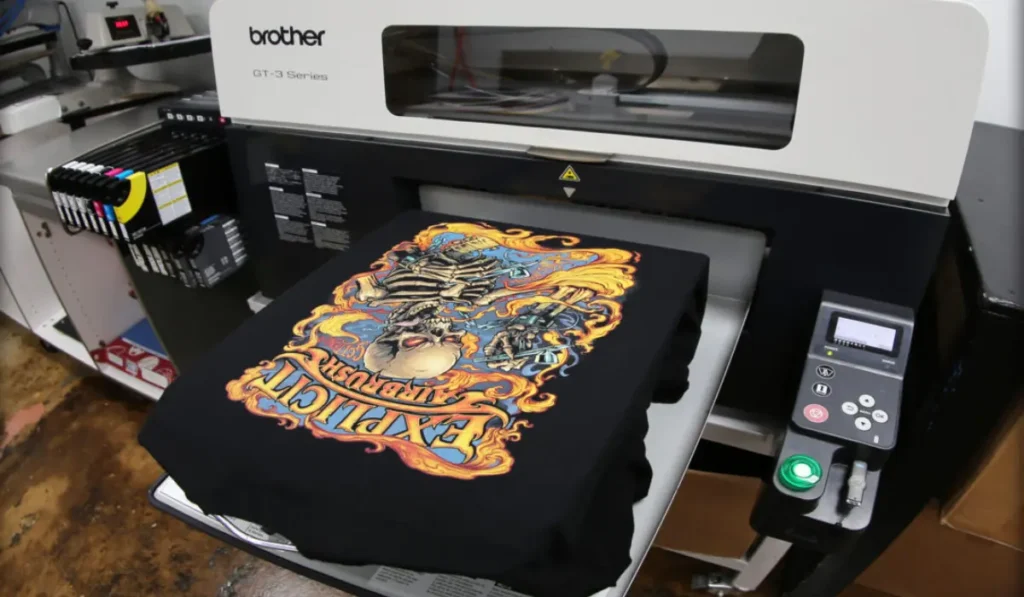
Digital printing, often referred to as Direct-to-Garment (DTG), uses specialized inkjet technology to print designs directly onto fabric. The process is similar to how a desktop printer works, but adapted for textiles. This approach allows for full-color, detailed images without the need for screens or extensive setup.
- Best for: Small runs, complex or photographic designs, and fast turnaround
- Setup: Minimal; designs are sent directly from computer to printer
- Materials: Performs best on 100% cotton, but compatible with some blends
Key Differences in Print Quality and Design Capabilities
Color Vibrancy and Durability
One of the most noticeable contrasts is in the finish and feel of the print. Screen printing produces bold, opaque colors that stand out on both light and dark fabrics. The inks sit on top of the garment, creating a slightly raised texture. This method is known for its durability, often outlasting the garment itself when cared for properly.
Digital printing, by contrast, allows for smooth gradients, subtle color transitions, and photo-realistic detail. The ink is absorbed into the fibers, resulting in a softer feel. However, prints may not be as vibrant on dark garments unless a white underbase is used, and they may fade more quickly with repeated washing.
Design Complexity and Flexibility
The difference between screen printing and digital printing for apparel becomes especially clear when it comes to design flexibility. Screen printing is most efficient for simple graphics with a limited color palette, as each color adds to the setup time and cost. Highly detailed or photographic images can be challenging and expensive to reproduce with this method.
Digital printing shines when it comes to intricate artwork, unlimited colors, and fast changes between designs. There are virtually no restrictions on the number of colors or the complexity of the image, making it ideal for custom, one-off pieces or short runs.
Cost Considerations and Order Size
Pricing Structure
Screen printing involves significant setup costs, as each color and design requires its own screen. This makes it cost-effective for large orders, where the setup cost is spread across many garments. The price per shirt drops as the quantity increases, making it a favorite for bulk orders like team uniforms or event merchandise.
Digital printing, on the other hand, has minimal setup costs. This means it’s ideal for small batches, custom orders, or even single pieces. The price per garment remains relatively stable regardless of quantity, which is perfect for on-demand printing and personalized apparel.
Turnaround Time
Because of the labor involved in preparing screens and aligning colors, screen printing generally requires more lead time, especially for complex or multi-color designs. Digital printing offers much faster turnaround, as designs can be printed directly from a digital file with little preparation.
Environmental Impact and Sustainability
Environmental considerations are increasingly important in the apparel industry. Screen printing typically uses more water and chemicals, especially during the cleaning of screens and disposal of inks. However, many shops now offer eco-friendly inks and improved waste management practices.
Digital printing is often seen as a greener option, as it uses less water and produces less waste. Some machines use water-based inks that are less harmful to the environment. For a deeper dive into how digital methods are shaping the textile world, see this comprehensive overview of digital textile printing.
Choosing the Right Method for Your Apparel Project
When deciding between these two techniques, consider your priorities: Are you looking for the lowest cost on a large order, or do you need flexibility for small, custom runs? Is your design simple and bold, or does it require photographic detail? Each method has its place, and understanding the difference between screen printing and digital printing for apparel will help you select the best fit for your needs.
- Choose screen printing for large orders, simple designs, and maximum durability.
- Opt for digital printing when you need full-color images, fast turnaround, or small quantities.
As printing technology continues to evolve, both methods are becoming more versatile and accessible. Staying informed about the latest trends and options ensures you get the best results, whether you’re printing for business, events, or personal projects.
Frequently Asked Questions
Which printing method lasts longer on apparel?
Screen printing is generally more durable, especially for garments that will be washed frequently. The inks used in this process tend to withstand repeated laundering better than most digital prints, which may fade more quickly over time.
Is digital printing more expensive than screen printing?
For small orders or one-off items, digital printing is usually more cost-effective because there are no setup fees. However, for large runs, screen printing becomes cheaper per unit as the setup costs are spread across many garments.
Can I use both methods on the same garment?
While it’s technically possible to combine both techniques, it’s uncommon and often unnecessary. Most apparel projects are best served by choosing the method that aligns with the design and order size requirements.
What fabrics work best for each method?
Screen printing works well on a wide range of fabrics, including cotton, blends, and synthetics. Digital printing delivers the best results on 100% cotton, as the ink bonds more effectively with natural fibers.
