The fashion industry is experiencing a significant transformation as brands and manufacturers seek ways to meet fast-changing consumer demands, reduce waste, and streamline production. One approach gaining traction is the adoption of micro-factory models for apparel and textile printing. These compact, technology-driven production setups enable on-demand manufacturing, localize supply chains, and offer a more sustainable alternative to traditional mass production.
In this article, we’ll explore how these innovative setups are reshaping the world of garment decoration and digital textile printing. We’ll also highlight the main advantages for businesses, designers, and the environment, and provide practical insights for those considering a shift to this agile production method. For readers interested in related printing techniques, our guide to sublimation vs direct to film printing offers a detailed comparison of two popular digital approaches.
Understanding Micro-Factory Concepts in Fashion Printing
A micro-factory is a compact, integrated production environment designed to handle the entire workflow of garment printing—from design and prepress to printing, cutting, and finishing—within a single, often small, facility. Unlike traditional factories, which rely on large-scale equipment and long production runs, micro-factories use digital technologies and automation to enable short runs, rapid prototyping, and even one-off custom orders.
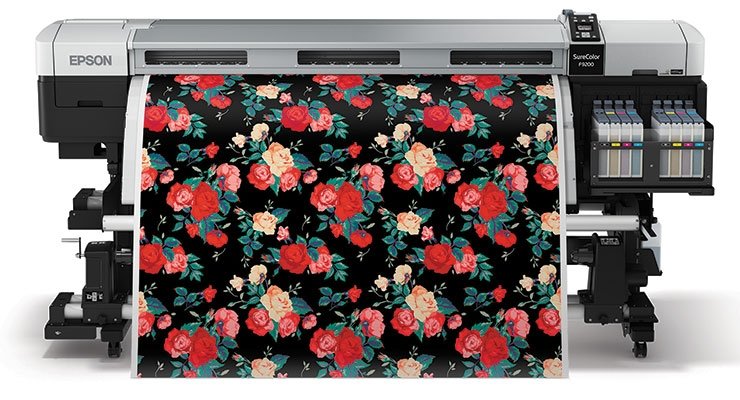
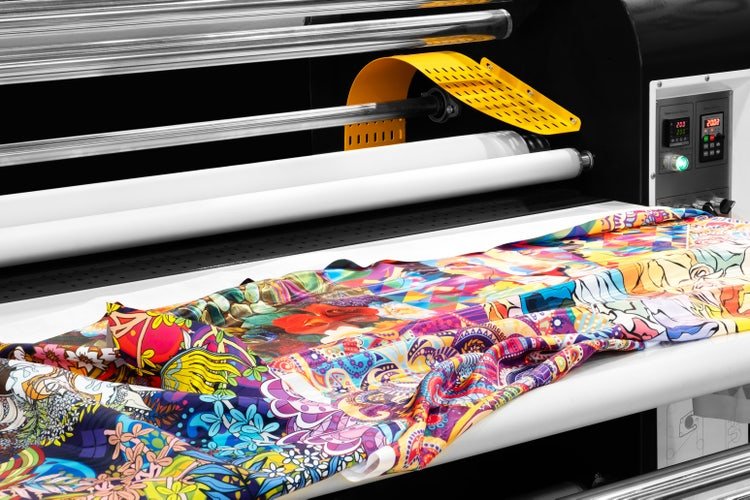
These setups typically include digital textile printers, automated cutting machines, sewing stations, and software for workflow management. By bringing all steps under one roof, micro-factories empower brands to respond quickly to trends, minimize inventory, and reduce lead times.

Key Advantages of Micro-Factory Setups for Apparel Printing
The shift toward micro-factory models brings several benefits for fashion printing businesses and their customers. Here are some of the most impactful advantages:
- On-Demand Production: With digital workflows, brands can produce only what is needed, when it’s needed. This reduces overproduction, minimizes unsold inventory, and allows for rapid response to market trends.
- Customization and Personalization: Micro-factories excel at short runs and unique designs. Whether it’s limited-edition collections or personalized apparel, these setups make it feasible to offer diverse products without high setup costs.
- Reduced Lead Times: By integrating all production steps, micro-factories can turn around orders much faster than traditional supply chains. This agility is crucial for brands aiming to capitalize on fleeting trends or seasonal demands.
- Lower Environmental Impact: Producing locally and on-demand means less waste, fewer transportation emissions, and a smaller carbon footprint. Digital printing methods also tend to use less water and fewer chemicals compared to conventional processes.
- Cost Efficiency for Small Batches: Traditional screen printing and mass production require large minimum orders to be cost-effective. Micro-factories, leveraging digital technology, make small-batch and even single-piece production economically viable.
How Digital Printing Powers Micro-Factories
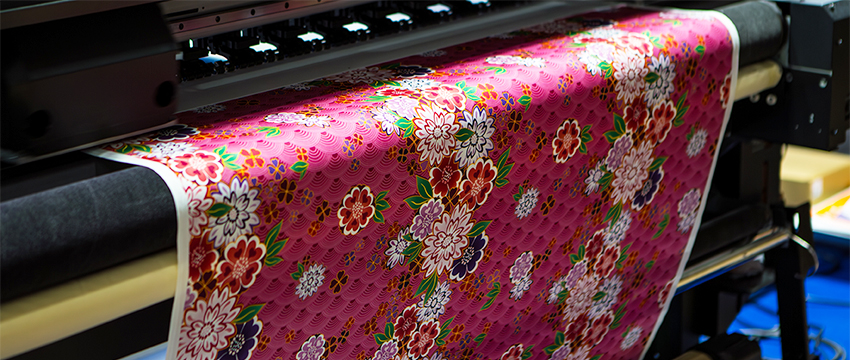
At the heart of most micro-factory operations is digital textile printing. This technology enables direct application of designs onto fabrics using inkjet or similar methods, bypassing the need for screens or plates. As explained in this comprehensive digital textile printing definition, digital methods offer flexibility, speed, and high-quality results.
Digital printing’s compatibility with a wide range of materials and its ability to handle intricate, full-color graphics make it ideal for fashion applications. When paired with automated cutting and finishing, it forms the backbone of a modern, agile micro-factory.

Micro-Factory Models and Sustainable Fashion
Sustainability is a core concern for today’s apparel sector. Micro-factory approaches directly address several environmental challenges:
- Waste Reduction: On-demand production eliminates the need for large inventories and reduces the risk of unsold goods ending up in landfills.
- Resource Efficiency: Digital processes use less water and energy compared to traditional dyeing and printing. Automated workflows also help optimize material usage.
- Local Production: By enabling manufacturing closer to the point of sale or consumption, micro-factories cut down on transportation emissions and support local economies.
For brands committed to eco-friendly practices, adopting a micro-factory model can be a significant step toward more responsible production. Those working with delicate materials can also benefit from specialized techniques; for example, see our article on how to print on silk without damaging the fibers for tips on maintaining fabric integrity.
Implementing a Micro-Factory: What to Consider
Transitioning to a micro-factory setup involves more than just investing in new equipment. Here are some key factors to keep in mind:
- Workflow Integration: Ensure that design, printing, cutting, and finishing systems communicate seamlessly. Software that manages the entire process is essential for efficiency.
- Staff Training: Operators need to be skilled in digital design, machine operation, and troubleshooting. Ongoing training helps maximize productivity and quality.
- Space Requirements: While micro-factories are compact, careful planning is needed to optimize layout and accommodate future growth.
- Material Sourcing: Reliable suppliers of printable fabrics and compatible inks are crucial for consistent results.
- Quality Control: With rapid production cycles, robust quality assurance processes are vital to maintain high standards.
For those considering adding specialty techniques, such as all-over prints or athletic wear customization, our resources on what is all-over printing in streetwear design and what is digital sublimation for athletic wear provide further insights.
Challenges and Future Outlook
While the benefits of micro-factory models for fashion printing are substantial, there are challenges to consider. Initial investment in digital equipment and workflow software can be significant. Additionally, shifting from traditional mass production to agile, small-batch manufacturing requires a cultural change within organizations.
However, as consumer demand for customization and sustainability grows, and as digital printing technology becomes more affordable, micro-factories are poised to become a standard part of the apparel supply chain. Brands that embrace this model can expect greater flexibility, reduced risk, and a stronger connection with their customers.
Frequently Asked Questions
What is a micro-factory in the context of apparel printing?
A micro-factory is a compact, digitally integrated production facility that handles the entire garment printing process—from design to finishing—within a single location. It leverages digital printing, automation, and efficient workflows to enable on-demand, small-batch, or even one-off production.
How do micro-factories support sustainable fashion?
Micro-factories help reduce waste by producing only what is needed, when it’s needed. They also minimize transportation emissions by enabling local production and use digital printing methods that consume less water and chemicals compared to traditional techniques.
What are the main technologies used in micro-factory setups?
Key technologies include digital textile printers, automated cutting machines, workflow management software, and sometimes robotic sewing or finishing equipment. These tools work together to streamline the entire apparel production process.