In the world of textile manufacturing, rotary screen printing stands out as a leading method for producing high-quality, vibrant patterns on fabric at scale. This process is especially valued in the fashion industry, where speed, consistency, and the ability to handle complex designs are essential for meeting the demands of mass production. Understanding how this technique works, its advantages, and how it compares to other printing methods can help brands and designers make informed choices for their collections.
For those interested in exploring other large-scale textile printing options, our guide to large format fabric printing for runways offers an in-depth look at additional methods used in the industry.
Understanding the Rotary Screen Printing Process
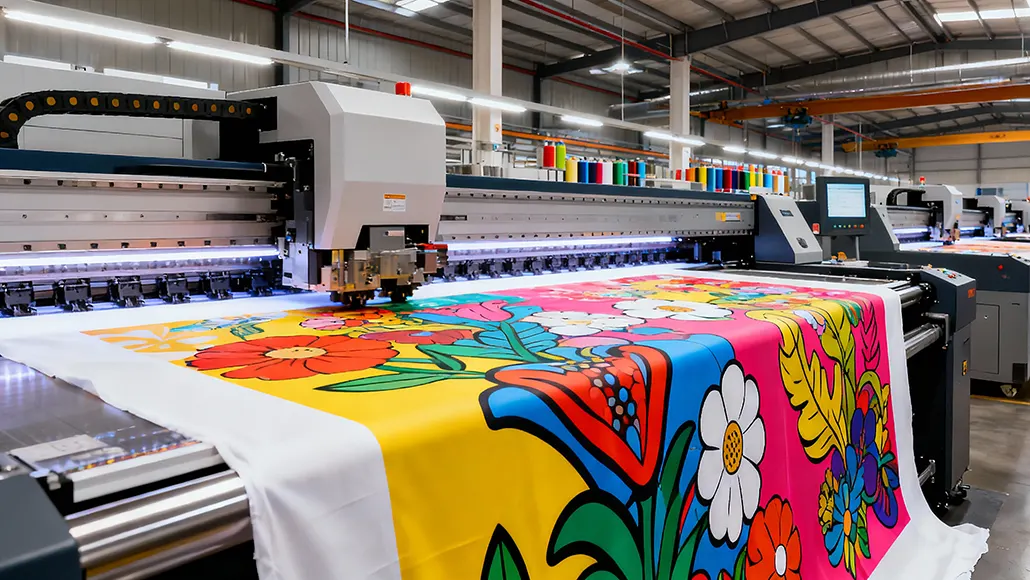
At its core, rotary screen printing for mass production is a mechanized evolution of traditional flat screen printing. Instead of using flat screens, this method employs cylindrical screens that rotate as fabric passes beneath them on a continuous belt. Each cylinder is etched with a specific part of the design and loaded with its own color of ink.
The process begins with the preparation of the screens, which are made from fine mesh and shaped into tubes. The design is transferred onto these screens using a photosensitive emulsion. Once the screens are ready, they are mounted onto the printing machine, aligned precisely to ensure accurate color registration.
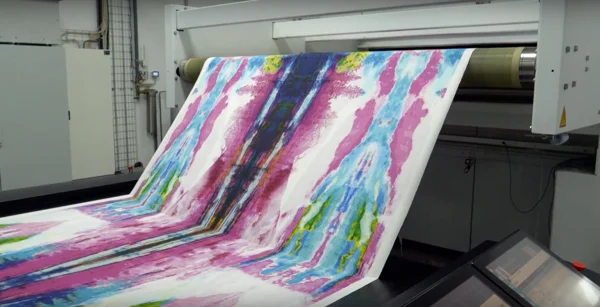
As the fabric moves through the machine, the cylinders rotate in sync, pressing ink through the mesh onto the textile. This allows for rapid, continuous printing, making it ideal for large-volume orders. After printing, the fabric is typically steamed to set the dyes, washed to remove excess ink, and dried.
Key Advantages for Fashion Manufacturing
The popularity of rotary screen printing in the fashion sector is driven by several important benefits:
- High Production Speed: The continuous nature of the process enables rapid output, making it suitable for large orders and tight deadlines.
- Consistent Quality: Automated controls and precise screen alignment ensure that every meter of fabric receives the same level of detail and color accuracy.
- Versatility in Design: This method can handle intricate patterns, fine lines, and multiple colors, allowing for creative flexibility.
- Cost Efficiency at Scale: While initial setup costs can be significant, the per-unit cost decreases substantially with higher volumes, making it economical for mass production.
- Wide Range of Fabrics: Rotary screen printing works well on cotton, polyester, silk, and blended textiles, supporting diverse fashion applications.
Comparing Rotary Screen Printing to Other Textile Methods
When evaluating rotary screen printing for mass production, it’s helpful to compare it with other popular textile printing techniques:
- Flat Screen Printing: While similar in principle, flat screen printing is slower and better suited for smaller runs or specialty items. Rotary machines offer much higher throughput.
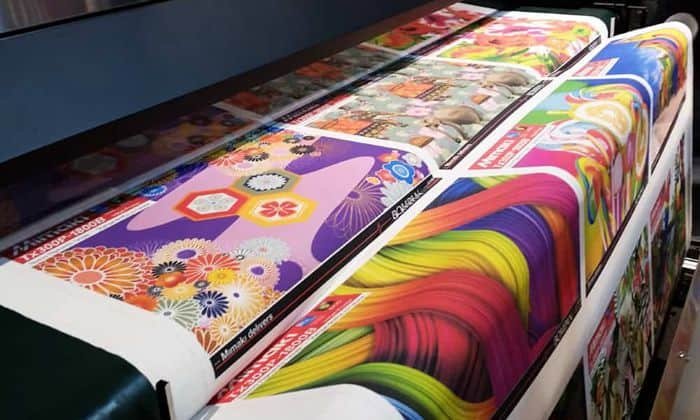
- Digital Printing: Digital methods excel at short runs and highly detailed, photographic designs. However, for very large orders, rotary screen printing remains more cost-effective and faster, especially for designs with fewer colors.
- Heat Transfer and Sublimation: These processes are ideal for synthetic fabrics and custom, on-demand prints. They may not match the speed or cost efficiency of rotary screen printing for bulk orders.
For a deeper comparison of traditional and modern textile printing, see our comparison of silk screen vs heat transfer printing.
Applications in the Fashion Industry
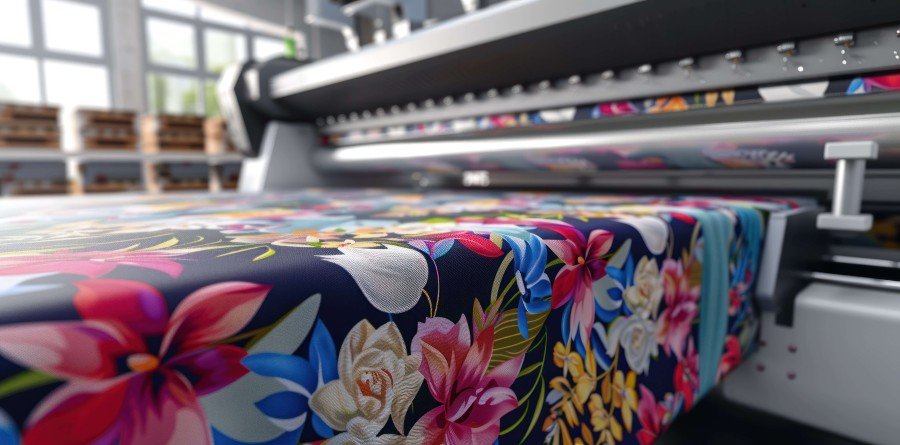
Rotary screen printing is widely used for producing everything from basic T-shirts to high-end designer fabrics. Its ability to deliver consistent, repeatable results makes it a favorite for brands that require uniformity across large product lines. Common applications include:
- Printed yardage for garments and accessories
- Scarves, shawls, and wraps with complex patterns
- Home textiles such as bed linens and curtains
- Sportswear and activewear with bold, multi-color graphics
Environmental Considerations and Innovations
As sustainability becomes a priority in fashion, manufacturers are adapting rotary screen printing to reduce its environmental impact. Modern machines use water-based inks, improved filtration systems, and energy-efficient drying units. Efforts are also underway to minimize waste during screen preparation and ink usage.
While rotary screen printing traditionally uses more water and chemicals than digital alternatives, ongoing innovations are narrowing this gap. Brands seeking eco-friendly solutions should consult with their print partners about available sustainable options.
Preparing Artwork and Files for Rotary Printing
To achieve the best results, designers must prepare artwork with the process in mind. Each color in the design requires a separate screen, so simplifying color palettes can help control costs. Designs should be created in high resolution and separated into layers for each color.
For guidance on preparing your files, our how to set up a tech pack for textile printing checklist covers essential steps for a smooth production workflow.
How Rotary Screen Printing Supports Mass Production
The defining strength of this method is its ability to deliver large quantities of printed fabric with speed and precision. Automated systems can run continuously for hours, producing thousands of meters per day. This scalability is crucial for brands launching seasonal collections or fulfilling major retail orders.
Additionally, rotary screen printing machines can be customized with multiple stations, allowing for complex, multi-color designs to be printed in a single pass. This efficiency reduces labor costs and turnaround times, supporting the fast-paced demands of the fashion industry.
Rotary Screen Printing vs. Digital Printing: Which to Choose?
Choosing between rotary and digital printing depends on your project’s needs. Rotary screen printing is the go-to for high-volume, repetitive designs where cost per unit is a key concern. Digital printing, on the other hand, is ideal for short runs, photographic images, and designs with unlimited colors.
For a comprehensive overview of digital fabric printing, see this introduction to digital fabric printing methods.
Frequently Asked Questions
What types of fabrics can be used with rotary screen printing?
This process is compatible with a wide range of textiles, including cotton, polyester, silk, viscose, and blends. The choice of ink and pre-treatment may vary depending on the fabric type to ensure optimal colorfastness and print quality.
How does rotary screen printing compare to digital printing for mass production?
Rotary screen printing is generally more cost-effective and faster for large orders with limited colors. Digital printing offers greater flexibility for short runs and highly detailed, multi-color designs but may not match the speed or unit cost of rotary methods for bulk production.
Can rotary screen printing achieve high-resolution prints?
Yes, modern rotary machines can produce fine details and sharp lines, though there are some limitations compared to digital printing. For tips on maximizing print clarity, see our article on how to achieve high resolution prints on cotton.
Is rotary screen printing environmentally friendly?
While traditional rotary screen printing uses significant water and chemicals, recent innovations have improved its sustainability. Water-based inks, efficient filtration, and reduced waste are making this process greener, though digital printing may still have a lower environmental impact in some cases.