The safety of food products depends not only on how they are prepared and stored, but also on the materials used to contain and transport them. Food-safe packaging refers to materials and containers specifically designed to prevent contamination and preserve the quality of edible goods. Understanding what makes packaging suitable for direct contact with food is essential for manufacturers, retailers, and consumers alike.
In this article, we’ll explore the definition of food-safe packaging, its practical uses, and why it plays a critical role in the modern food industry. We’ll also look at the standards that govern these materials, common types, and how to identify safe options for your needs. For those interested in how technology intersects with food safety, you might also want to read about bio printing food research and its impact on sustainable nutrition.
Understanding the Meaning of Food-Safe Packaging
At its core, food-safe packaging describes any material that is proven not to transfer harmful chemicals, odors, or flavors to the food it contains. These materials are rigorously tested to ensure they do not react with the food or degrade under normal storage and handling conditions. The goal is to maintain the integrity, taste, and safety of the food from production to consumption.
Regulatory agencies such as the U.S. Food and Drug Administration (FDA) and the European Food Safety Authority (EFSA) set strict guidelines for packaging that comes into direct contact with food. These standards help ensure that only approved substances are used and that the packaging performs as intended throughout its lifecycle.
Key Characteristics of Safe Packaging for Food
Not all packaging materials are suitable for food contact. The following characteristics are essential for any packaging to be considered safe for food:
- Non-toxicity: The material must not leach harmful substances into the food.
- Odor and taste neutrality: It should not impart any unwanted flavors or smells.
- Barrier properties: Effective packaging prevents contamination from moisture, air, light, and microorganisms.
- Durability: The packaging must withstand handling, temperature changes, and storage without breaking down or contaminating the contents.
- Compliance with regulations: Only materials approved by food safety authorities can be used for direct food contact.
Common Types of Materials Used in Food-Safe Packaging
Various materials are used for packaging foods, each with its own set of properties and best-use scenarios. Here are some of the most common options:
- Plastics: Widely used for their versatility and lightweight nature. Only certain types, such as PET, HDPE, and PP, are approved for food contact.
- Glass: Non-reactive and impermeable, making it ideal for beverages, sauces, and preserved foods.
- Metals: Aluminum and tinplate are often used for cans and foil. These materials are coated to prevent direct contact between metal and food.
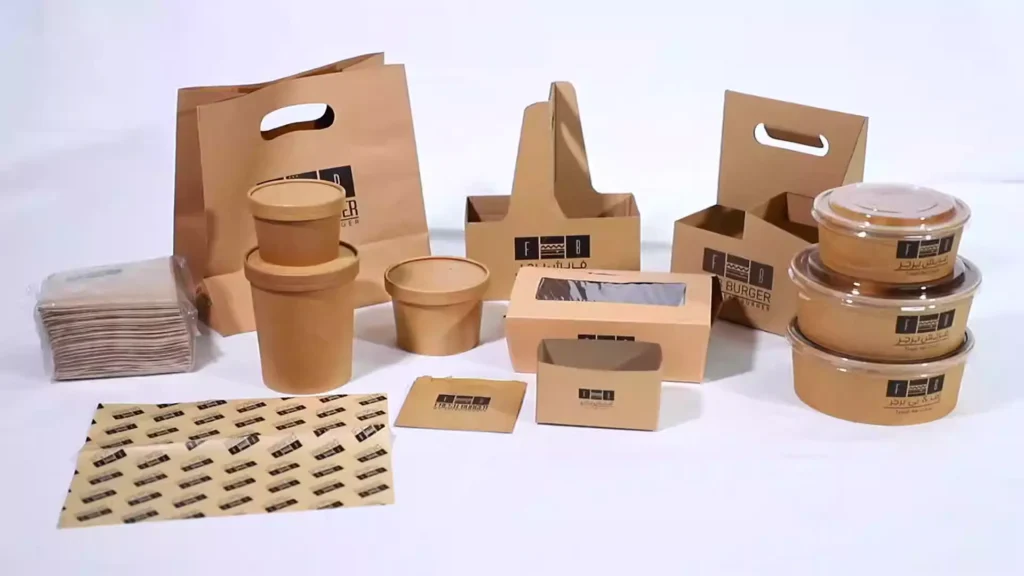
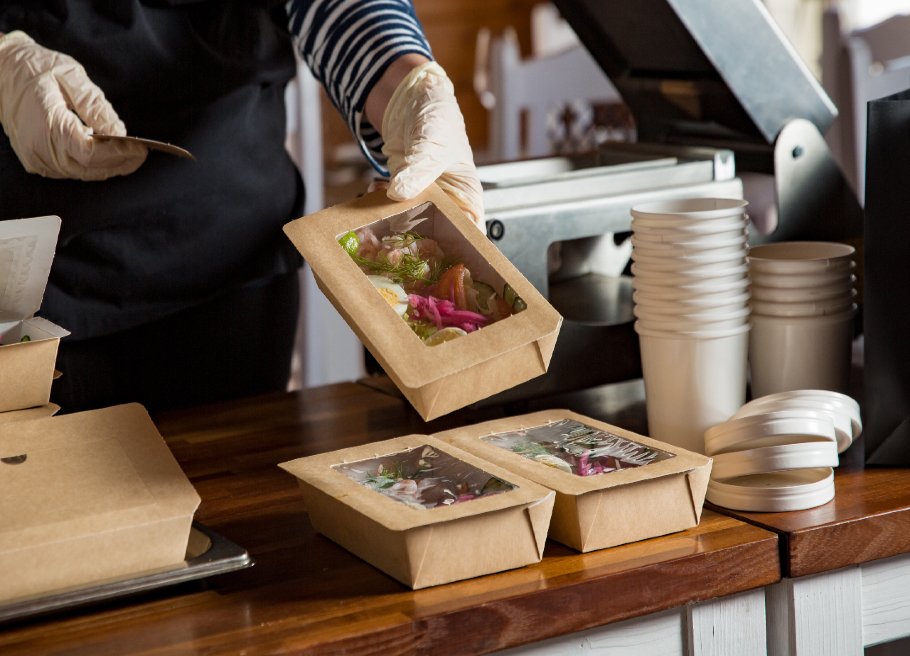
- Paper and cardboard: Frequently used for dry foods and takeout containers, provided they are treated with food-grade coatings.
- Biodegradable and compostable materials: Emerging options for eco-friendly packaging, provided they meet safety standards.
It’s important to note that not all plastics or papers are automatically safe for food. Look for certifications or markings that indicate compliance with food safety regulations.
Why Food-Safe Packaging Is Essential in the Food Industry
The importance of using safe packaging for food cannot be overstated. Here are several reasons why it is a top priority for manufacturers and retailers:
- Consumer health: Prevents contamination by chemicals, bacteria, or allergens, reducing the risk of foodborne illnesses.
- Product quality: Maintains freshness, flavor, and nutritional value by protecting against environmental factors.
- Regulatory compliance: Avoids legal issues and recalls by meeting government standards for food safety.
- Brand reputation: Companies that prioritize safe packaging build trust with consumers and differentiate themselves in the marketplace.
- Sustainability: The move toward eco-friendly, food-safe materials supports environmental goals without compromising safety.

How to Identify Packaging That Is Safe for Food
Recognizing safe packaging is crucial for both businesses and consumers. Here are some practical tips:
- Look for certification marks: Symbols such as the glass and fork, FDA approval, or “food grade” labeling indicate compliance.
- Check material information: Packaging should specify the type of material and its suitability for food contact.
- Review manufacturer documentation: Suppliers should provide certificates of compliance or test reports.
- Be cautious with reused packaging: Not all containers are designed for repeated use or for contact with hot or acidic foods.
For a more detailed breakdown of what qualifies as food-grade packaging, see this comprehensive guide to food-grade packaging standards.
Regulations and Standards Governing Food Packaging Safety
Regulatory bodies around the world have established strict rules to ensure that packaging materials do not endanger public health. In the United States, the FDA oversees the approval of substances used in food contact materials. In Europe, the EFSA provides similar oversight. These agencies evaluate the chemical composition, migration potential, and intended use of packaging before granting approval.
Manufacturers must regularly test their products and keep up with evolving regulations. Failure to comply can result in recalls, fines, and damage to brand reputation. Staying informed about the latest standards is essential for anyone involved in the food supply chain.
Emerging Trends in Food Packaging Safety
As consumer awareness grows and technology advances, new trends are shaping the future of food-safe packaging:
- Smart packaging: Incorporates sensors or indicators to monitor freshness and detect contamination.
- Sustainable materials: Increased demand for biodegradable, compostable, and recyclable options that still meet safety standards.
- Advanced manufacturing: Techniques such as multimaterial 3D printing are enabling more precise and customizable packaging solutions.
- Transparency: Brands are providing more information about their packaging materials and sourcing practices.
Frequently Asked Questions
What makes a material food-safe?
A material is considered food-safe if it does not transfer harmful chemicals, odors, or flavors to the food it contacts. It must be approved by relevant authorities, such as the FDA or EFSA, and meet strict standards for purity and performance.
How can I tell if packaging is safe for food?
Look for certification symbols, such as the glass and fork icon, or labels indicating “food grade” or FDA approval. Check the packaging for information about the material and its intended use. When in doubt, ask the supplier for documentation or certificates of compliance.
Are biodegradable or compostable packages always safe for food?
Not necessarily. While many biodegradable and compostable materials are designed for food contact, they must still meet the same safety standards as traditional packaging. Always look for certifications and regulatory compliance before using these materials with food.
Why is food-safe packaging important for businesses?
Using approved packaging protects consumers from health risks, ensures compliance with regulations, and helps maintain product quality. It also builds trust and enhances a company’s reputation in the marketplace.
Conclusion
The role of food-safe packaging in the food industry is fundamental to protecting public health and ensuring product quality. By understanding the characteristics, regulations, and best practices surrounding these materials, businesses and consumers can make informed choices. As technology evolves, new solutions will continue to emerge, but the core principles of safety and compliance remain unchanged.