When it comes to displaying a company’s identity on apparel, bags, or uniforms, two techniques stand out: embroidery and printing. Each method offers unique advantages and challenges, making the decision between them an important one for businesses seeking to showcase their logos effectively. Understanding what is embroidery vs printing for brand logos is key to making the right choice for your brand’s needs, whether you prioritize durability, cost, or visual impact.
This article explores the differences between these two popular decoration methods, compares their strengths and weaknesses, and provides practical guidance to help you select the most suitable approach for your branding strategy. For those interested in the technical side of textile decoration, you may also want to learn about how to clean screen printing meshes for optimal print quality.
Understanding Embroidery and Printing for Logo Application
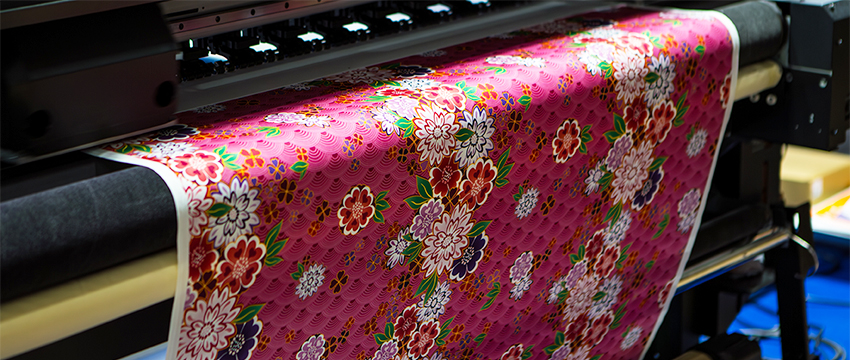
Before comparing the two techniques, it’s important to define what each process involves. Embroidery uses threads stitched directly into the fabric to create a raised, textured version of your logo. This method is often associated with a premium look and long-lasting results. In contrast, printing applies ink or dye onto the material’s surface, allowing for vibrant colors and intricate designs.
Both methods are widely used for branding, but their suitability depends on factors like fabric type, logo complexity, and intended use. Let’s break down the core differences.
Key Differences: What Is Embroidery vs Printing for Brand Logos?
The main distinction between embroidery and printing lies in their technique and finished appearance. Here’s a closer look at how each process works and what it means for your brand’s logo:
- Embroidery: Involves digitizing your logo and using specialized machines to stitch colored threads into the fabric. The result is a tactile, dimensional design that stands out physically.
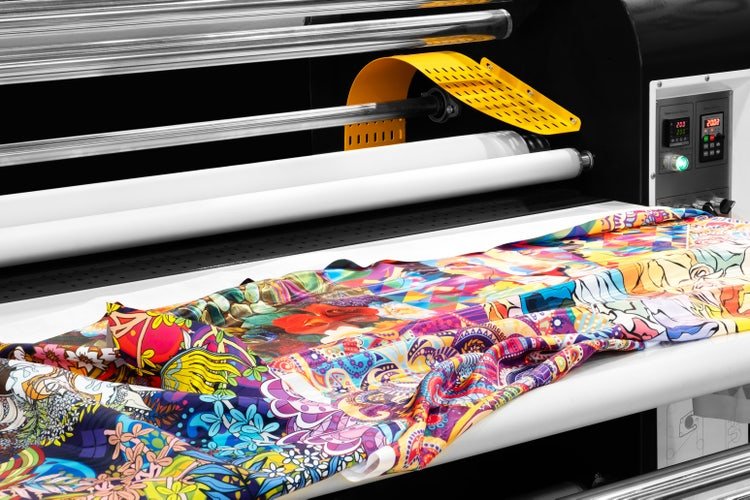
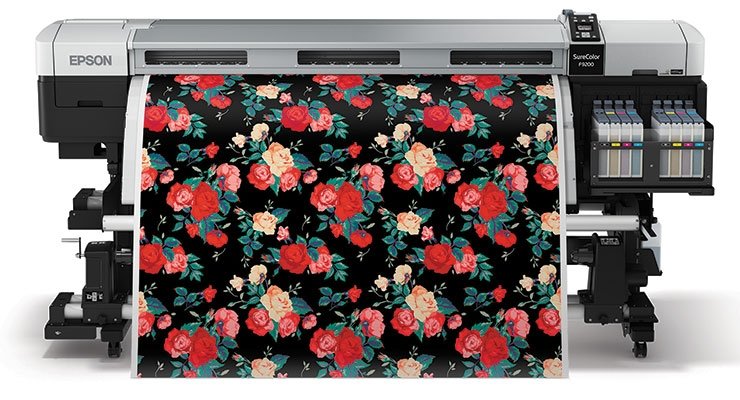
- Printing: Covers a range of methods, including screen printing, digital printing, and heat transfer. Each technique applies color to the fabric’s surface, producing a flat image that can capture fine details and gradients.
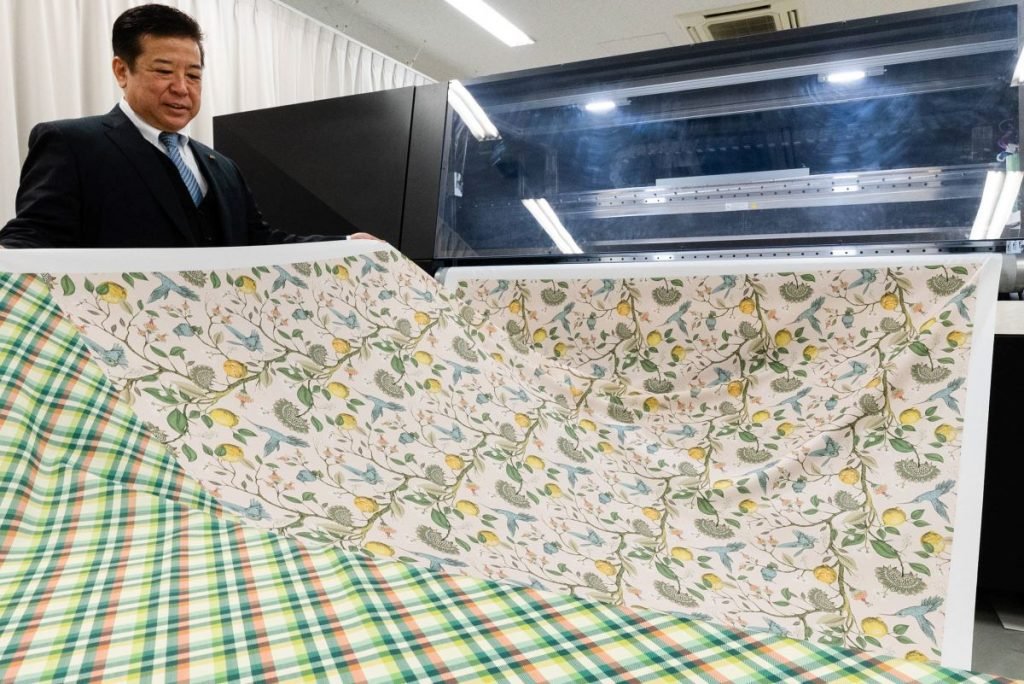
For a deeper dive into digital textile printing, you can explore how digital textile printing works and its advantages for modern branding.
Advantages of Embroidery for Brand Identity
Embroidery is often chosen for its professional appearance and durability. Here are some of the main benefits:
- Durability: Stitched logos withstand frequent washing and heavy use, making them ideal for uniforms, hats, and workwear.
- Premium Look: The textured, three-dimensional effect gives a sense of quality and tradition.
- Color Longevity: Threads maintain their color over time, resisting fading better than some inks.
- Professional Appeal: Embroidered logos are often associated with established, reputable brands.
However, embroidery is not always suitable for every logo or fabric. Highly detailed or gradient designs may lose clarity, and thin, stretchy materials can be distorted by the stitching process.
Benefits of Printing for Logo Customization
Printing offers flexibility and creative freedom, especially for complex or colorful logos. Here’s why many brands opt for this method:
- Design Versatility: Printing can reproduce detailed artwork, gradients, and photographic images with precision.
- Cost-Effective for Large Runs: For bulk orders, especially with simple designs, printing can be more affordable than embroidery.
- Suitable for All Fabrics: Printing works well on a wide range of materials, including lightweight and stretchy fabrics.
- Vibrant Colors: Modern printing techniques deliver bright, eye-catching results.

On the downside, printed logos may fade or crack over time, especially if not properly cared for. The longevity of the print depends on the technique used and the quality of the inks.
Choosing the Right Method for Your Brand’s Needs
Deciding between embroidery and printing depends on several factors:
- Logo Design: Simple, bold logos with few colors are well-suited to embroidery. Intricate or photo-like designs are better handled by printing.
- Material: Heavier fabrics like cotton, denim, or fleece work well with embroidery. For lightweight or synthetic fabrics, printing is often the safer choice.
- Intended Use: Items that require frequent washing or heavy use (such as uniforms) benefit from the durability of embroidery. Promotional items or fashion pieces may favor the versatility of printing.
- Budget: Embroidery can be more expensive, especially for large, complex logos or small batch orders. Printing is generally more cost-effective for high-volume runs.
If you’re interested in other printing methods for apparel, you might also find value in this guide to sublimation vs direct to film printing, which covers additional options for customizing garments.
Care and Maintenance: Keeping Logos Looking Their Best
Proper care extends the life of both embroidered and printed logos. For embroidery, wash garments inside out in cold water and avoid harsh detergents to prevent thread fraying. For printed items, gentle washing and air drying help preserve the ink and prevent cracking.
If you’re working with specialty fabrics, such as silk, it’s important to follow specific guidelines. Learn more about how to print on silk without damaging the fibers to ensure your logo remains vibrant and intact.
Frequently Asked Questions
Which lasts longer: embroidery or printing?
Generally, embroidery outlasts most printing methods. The stitched threads are resistant to washing and wear, making them ideal for items that see heavy use. However, high-quality printing techniques can also offer impressive longevity when properly cared for.
Is embroidery more expensive than printing?
Embroidery tends to have higher setup and production costs, especially for complex or large logos. Printing is usually more affordable for bulk orders and detailed designs, but costs can vary depending on the technique and materials used.
Can all types of logos be embroidered or printed?
Not every logo is suitable for both methods. Embroidery works best with simple, bold designs, while printing can handle intricate artwork and gradients. It’s important to consult with your decorator to determine the best approach for your specific logo.
Conclusion: Making the Best Choice for Your Brand
Both embroidery and printing offer effective ways to showcase your brand’s identity on apparel and promotional items. The right choice depends on your logo’s design, the fabric you’re using, your budget, and how the item will be used. By understanding what is embroidery vs printing for brand logos and considering the unique strengths of each method, you can ensure your branding stands out and endures.
For those interested in exploring even more creative options, you might want to read about what is all-over printing in streetwear design for bold, full-coverage logo applications.