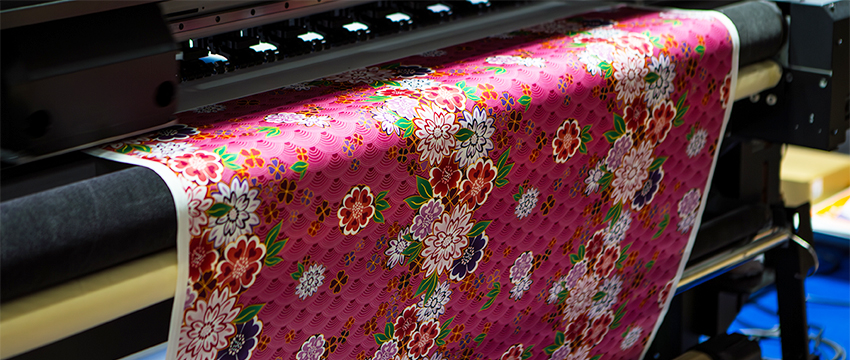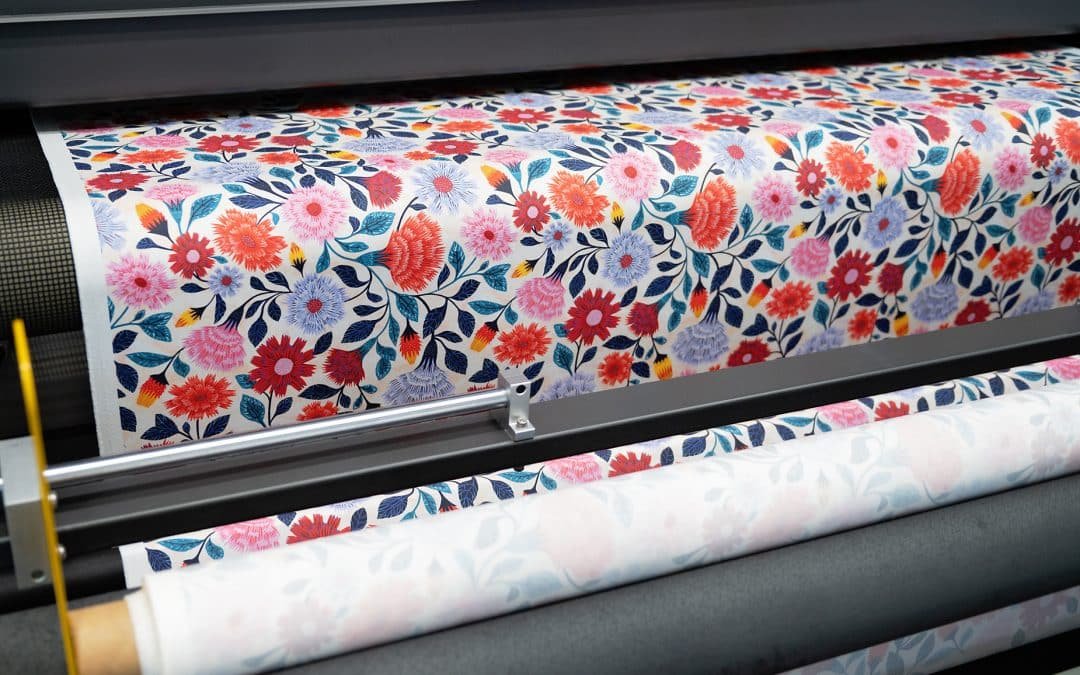
The world of performance apparel has seen rapid advances in recent years, especially in how vibrant graphics and custom designs are applied to garments. Among the most transformative technologies is digital sublimation, a process that allows for high-definition, full-color prints on athletic wear and sportswear. This technique has become a favorite for teams, brands, and athletes seeking durable, comfortable, and visually striking uniforms.
Understanding what is digital sublimation for athletic wear involves looking at both the science behind the process and its practical benefits. Whether you’re a designer, manufacturer, or athlete, knowing how this method works can help you make informed choices about your gear. If you’re interested in how garment design adapts to different body types, you might also find these tips for designing for different garment sizes useful.
Understanding the Digital Sublimation Process
At its core, digital sublimation is a printing technique that uses heat to transfer dye directly into synthetic fabrics, most commonly polyester. Unlike traditional screen printing or heat transfers, the dye becomes part of the fabric itself, resulting in prints that are both vibrant and long-lasting.
The process begins with a digital design, which is printed onto special transfer paper using sublimation inks. The printed paper is then placed on the fabric, and both are run through a heat press. At high temperatures, the ink turns into a gas and bonds with the fibers of the garment. This chemical reaction ensures that the design is embedded within the fabric, not just sitting on top of it.
Why Choose Sublimation for Sports Apparel?
There are several reasons why teams and brands prefer digital sublimation for their athletic clothing. One of the most significant advantages is the ability to create custom, full-color graphics that won’t fade, crack, or peel, even after repeated washing and heavy use.
- Durability: Because the dye becomes part of the fabric, the print remains intact through stretching, sweating, and laundering.
- Comfort: Sublimated garments retain their breathability and flexibility, as the process does not add any extra layers or textures.
- Design Freedom: There are virtually no limits to the colors or complexity of designs. Gradients, photographs, and intricate patterns are all possible.
- Lightweight Feel: The process does not add weight or stiffness, making it ideal for performance-focused clothing.
Materials Best Suited for Digital Sublimation
Not all fabrics are compatible with this printing method. The process works best on polyester and polyester-blend materials, as the chemical reaction between the dye and the synthetic fibers is essential for a permanent bond. While some blends with a high polyester content can be used, 100% polyester typically yields the most vibrant and durable results.
For those interested in alternative textile printing methods, exploring rotary screen printing for mass production can provide useful context on how different techniques compare in terms of scale and finish.
Comparing Digital Sublimation to Other Printing Techniques
When considering how to decorate sportswear, it’s helpful to compare sublimation with other common methods:
- Screen Printing: Uses stencils and ink to apply designs on fabric. While cost-effective for large runs, it’s limited in color range and less suitable for complex, multi-color graphics.
- Heat Transfers: Involves pressing pre-printed designs onto garments. These can peel or crack over time, especially after repeated washing.
- Direct-to-Garment (DTG): Prints ink directly onto the fabric, suitable for cotton but less effective on polyester and not as durable for athletic use.
- Digital Sublimation: Offers unmatched color vibrancy and longevity, especially for polyester-based sportswear.
For a deeper dive into digital textile printing technologies, you can read this comprehensive guide to digital textile printing.
Design Considerations for Sublimated Athletic Apparel
When designing for sublimated sportswear, it’s important to factor in garment construction and sizing. Since the process allows for edge-to-edge printing, designers can create all-over graphics that wrap seamlessly around the body. However, artwork placement should account for seams, panels, and movement to ensure the final product looks as intended.
If you’re preparing artwork for production, understanding how to create a strike-off for fabric approval can help you avoid costly mistakes and ensure your designs translate perfectly from screen to fabric.
Benefits for Teams, Brands, and Athletes
The flexibility and performance of sublimated garments make them a top choice for sports teams, clubs, and fitness brands. Here’s why:
- Personalization: Names, numbers, and logos can be integrated directly into the fabric, eliminating the need for patches or vinyl.
- Consistency: Every piece in a production run will match exactly, with no color variation between batches.
- Quick Turnaround: Digital workflows allow for faster prototyping and production, making it easier to respond to trends or team needs.
- Eco-Friendly Options: Many sublimation processes use water-based inks and produce less waste compared to traditional printing.
Limitations and Considerations
While digital sublimation offers many advantages, there are some limitations to keep in mind:
- Fabric Restrictions: The process is best suited for polyester. Natural fibers like cotton do not bond with sublimation dyes.
- Color of Base Fabric: Sublimation works best on white or light-colored fabrics. The process does not print white ink, so the base color will affect the final appearance.
- Initial Investment: Specialized equipment and inks are required, which may be a consideration for small-scale producers.
Frequently Asked Questions
Can digital sublimation be used on cotton or natural fibers?
No, this method is most effective on polyester or high-polyester blends. The chemical process relies on the dye bonding with synthetic fibers, so natural materials like cotton do not yield durable results.
How does the durability of sublimated prints compare to screen printing?
Sublimated prints are generally more durable because the dye becomes part of the fabric, rather than sitting on top. This means the design won’t crack, peel, or fade as quickly as traditional screen-printed graphics.
Is digital sublimation suitable for small production runs or custom orders?
Yes, the digital workflow makes it ideal for both small batches and one-off custom pieces. There are no setup costs for screens or plates, so it’s cost-effective for personalized sportswear and team uniforms.
What are some creative possibilities with sublimated athletic wear?
Designers can incorporate gradients, photographic images, and complex patterns that would be difficult or impossible with other printing methods. All-over prints and seamless graphics are also achievable.
Conclusion
Digital sublimation has revolutionized the way athletic and sportswear is designed and produced. By embedding vibrant, durable graphics directly into performance fabrics, this technology offers unmatched creative freedom and long-lasting results. Whether outfitting a professional team or launching a new apparel line, understanding the benefits and limitations of this process can help you make the best choices for your needs.
For those interested in exploring other innovative printing techniques, learning about how to use glitter and metallic inks on apparel or cyanotype printing on clothing can further expand your creative options in the world of custom sportswear.