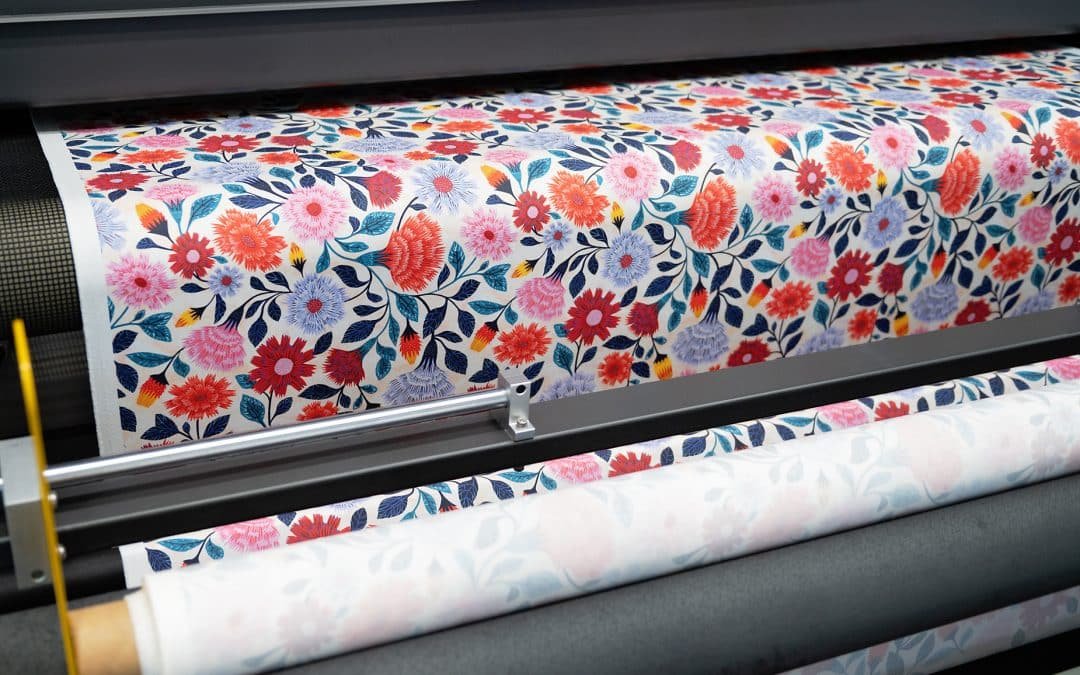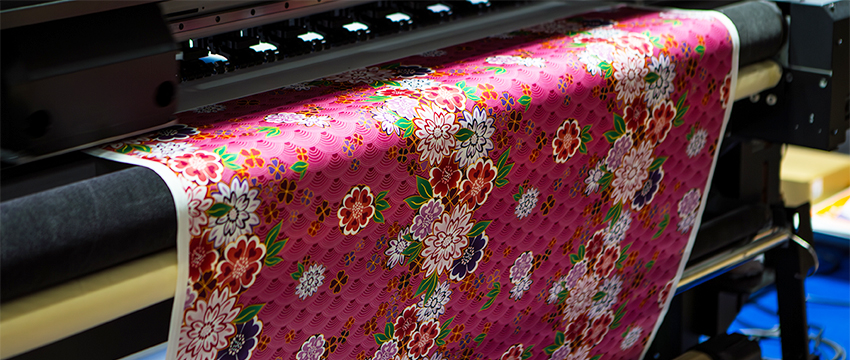
In the world of modern fashion, all-over printing—often called AOP—has become a defining feature of streetwear. This technique allows designers to cover the entire surface of a garment with vibrant graphics, patterns, or artwork, breaking away from the limitations of traditional placement prints. The result is bold, eye-catching apparel that stands out in any crowd and offers brands a unique way to express creativity.
For those interested in garment customization or launching their own line, understanding the ins and outs of this printing method is essential. This article explores the fundamentals of all-over print, its impact on streetwear, and what makes it so popular among designers and consumers alike. If you’re looking to refine your approach to garment graphics, you might also find these tips for designing for different garment sizes helpful as you plan your next collection.
Understanding AOP: The Basics of All-Over Printing
At its core, all-over printing refers to the process of applying graphics or patterns across the entire fabric surface of a garment, rather than restricting the design to a specific area like the chest or back. This method is especially popular in streetwear, where bold visuals and full-coverage prints are integral to the style’s identity.
Unlike standard screen printing, which typically places a logo or graphic in a fixed spot, AOP enables seamless patterns and large-scale artwork that wrap around sleeves, collars, and hems. This creates a visually immersive effect and allows for more creative freedom in design.
How Does All-Over Printing Work?
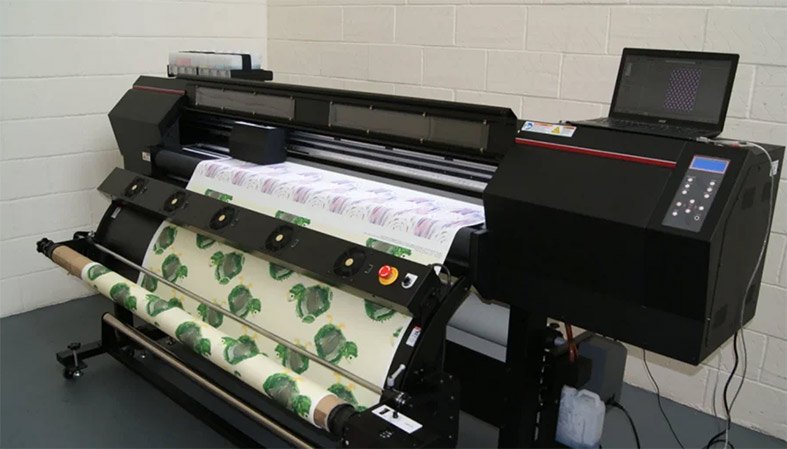
The process of creating an all-over print garment typically starts with the design phase. Designers prepare artwork that is sized to cover the entire fabric panel, taking into account the shape and dimensions of the finished piece. The most common techniques used for AOP in streetwear include:
- Sublimation printing: A digital method where ink is transferred onto fabric using heat, resulting in vibrant, long-lasting colors that penetrate the fibers. This is ideal for polyester and synthetic blends.
- Screen printing (rotary or flatbed): Large screens are used to apply ink across wide fabric panels, making it suitable for cotton and natural fibers. Rotary screen printing is especially efficient for mass production.
- Direct-to-garment (DTG) printing: While less common for true all-over prints, some DTG printers can handle oversized prints on cut fabric panels before assembly.
After printing, the fabric is cut and sewn into the final garment. This “cut-and-sew” approach ensures the design aligns properly and covers every part of the clothing item, from sleeves to seams.
Why All-Over Prints Are Popular in Streetwear
The appeal of all-over printing in streetwear design lies in its ability to deliver high-impact visuals and unique branding opportunities. Here are some reasons why AOP has become a staple in the scene:
- Unrestricted creativity: Designers can experiment with large-scale graphics, repeating patterns, and photographic imagery that would be impossible with standard printing methods.
- Distinctive style: Full-coverage prints help brands and individuals stand out, making each piece more memorable and collectible.
- Enhanced storytelling: AOP allows for complex narratives and themes to be woven into the fabric of the garment, offering a canvas for artistic expression.
- Trend alignment: Streetwear thrives on bold statements and visual impact, both of which are easily achieved with all-over graphics.
Key Considerations When Designing for Full-Fabric Prints
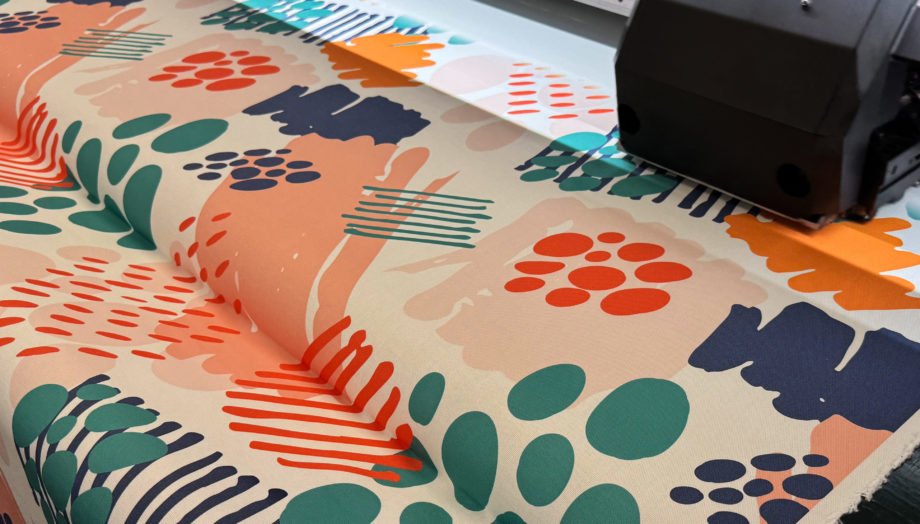
While the creative possibilities are vast, there are several practical factors to keep in mind when working with all-over print techniques:
- Seam alignment: Since the design covers the entire garment, careful planning is required to ensure graphics align at seams and across panels.
- Fabric choice: Some printing methods, like sublimation, work best on synthetic fabrics, while others are better suited for natural fibers.
- Color vibrancy: The type of fabric and printing process can affect how colors appear. Test prints and fabric swatches are recommended.
- Garment sizing: Designs must be adaptable to different sizes without losing their visual impact. For more on this, see our earlier link on tips for designing for different garment sizes.
- Production costs: AOP can be more expensive than standard printing due to the complexity of the process and the need for cut-and-sew assembly.
Comparing All-Over Printing to Other Apparel Decoration Methods
It’s helpful to understand how AOP differs from other popular garment decoration techniques:
- Placement prints: These are limited to specific areas, such as the chest or back, and are less immersive than full-fabric prints.
- Embroidery: Adds texture and dimension but is typically used for logos or small details, not large-scale artwork.
- Specialty inks: Techniques like how to use glitter and metallic inks on apparel can add shine or effects, but usually in limited areas.
- Cyanotype and other niche methods: Unique looks can be achieved, as covered in what is cyanotype printing on clothing, but these are less common for full-coverage prints.
Each method has its strengths, but for brands seeking maximum visual impact and creative freedom, all-over prints remain a top choice.
Production Techniques and Industry Insights
The evolution of digital printing has made AOP more accessible than ever. With advances in digital textile printing technology, designers can produce short runs or even one-off pieces with rich colors and intricate detail. This flexibility has fueled the rise of limited-edition drops and artist collaborations in streetwear.
For larger-scale production, rotary screen printing offers efficiency and consistency, especially for repeating patterns. Understanding the pros and cons of each method helps brands choose the right approach for their vision and budget. For those interested in mass production, learning about what is rotary screen printing for mass production is a valuable next step.
FAQ: All-Over Printing in Streetwear
What garments are best suited for all-over print designs?
T-shirts, hoodies, sweatshirts, and joggers are the most common choices for AOP in streetwear. However, the technique can be applied to almost any cut-and-sew garment, including jackets, shorts, and accessories like hats or bags.
Does all-over printing affect the feel of the fabric?
The impact on fabric feel depends on the printing method. Sublimation printing maintains the original softness of the material, while some screen printing techniques may add a slight texture where ink is applied. Generally, modern AOP methods are designed to keep garments comfortable and wearable.
How do you care for all-over printed clothing?
To preserve the vibrancy and longevity of all-over prints, wash garments inside out in cold water and avoid harsh detergents or bleach. Air drying is recommended, as high heat from dryers can cause fading over time.
Can AOP be used for custom, small-batch streetwear?
Yes, digital printing technologies have made it possible to produce small runs or even single pieces with all-over graphics, making AOP a great option for independent brands and artists.
Conclusion
All-over printing has become a cornerstone of contemporary streetwear, offering designers and brands a powerful way to create standout apparel. By understanding the techniques, challenges, and creative opportunities involved, anyone can harness AOP to produce garments that truly make a statement. As technology continues to advance, expect to see even more innovation and artistry in the world of full-fabric prints.