The landscape of food packaging has evolved rapidly as consumer expectations and regulatory standards have grown more demanding. For any company in the food industry, choosing the right types of food-safe packaging is essential—not just for compliance, but for maintaining product quality, extending shelf life, and building customer trust. From eco-conscious startups to established brands, understanding the available options is crucial for both safety and sustainability.
Today’s food businesses must balance safety, cost, branding, and environmental impact when selecting packaging solutions. This article explores the most common and effective materials and formats, helping you make informed decisions for your products. For those interested in the intersection of packaging innovation and food technology, the article on bio printing food research offers insights into future trends in sustainable nutrition.
Understanding Food-Grade Packaging Materials
At its core, food-safe packaging refers to materials and containers that do not transfer harmful chemicals, odors, or flavors to food. These solutions must meet strict regulatory standards and are tested for their ability to protect food from contamination. The most widely used categories include plastics, paper-based products, glass, and metals, each offering unique benefits and limitations.
Plastic Packaging: Versatile and Widely Used
Plastics remain one of the most popular food-safe packaging types due to their versatility, lightweight nature, and cost-effectiveness. Common plastics like PET (polyethylene terephthalate), HDPE (high-density polyethylene), and PP (polypropylene) are approved for direct food contact. These materials are used for everything from beverage bottles and deli containers to flexible pouches and clamshells.
- PET: Ideal for cold beverages, salad containers, and bakery packaging. It is clear, strong, and recyclable.
- HDPE: Used for milk jugs, juice bottles, and some food tubs. It is opaque and highly resistant to chemicals.
- PP: Common in microwaveable containers and yogurt cups due to its heat resistance.
While plastics offer excellent barrier properties and durability, businesses must consider environmental concerns and local recycling capabilities when choosing these materials.
Paper and Cardboard: Sustainable and Customizable Options
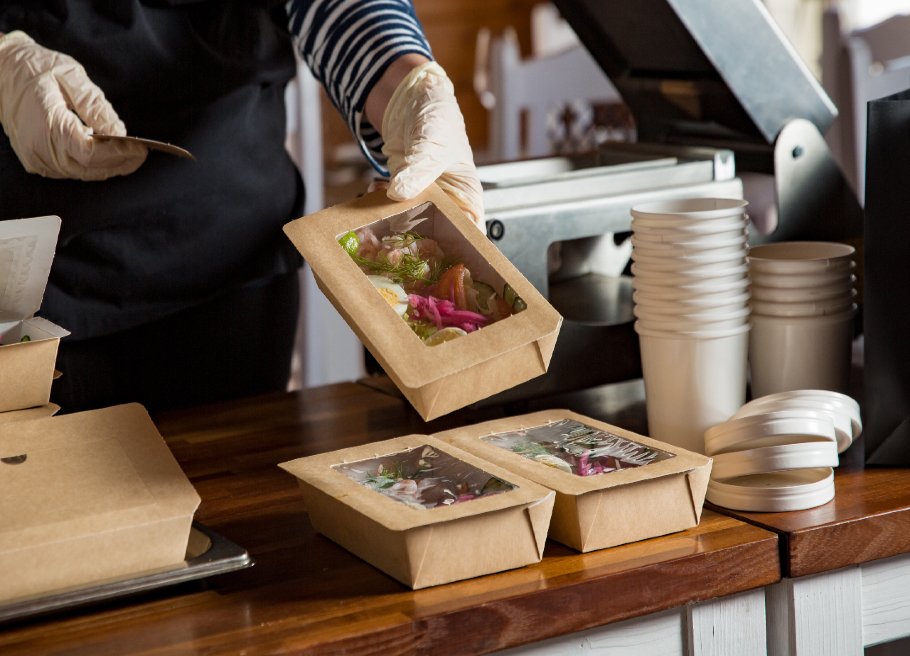
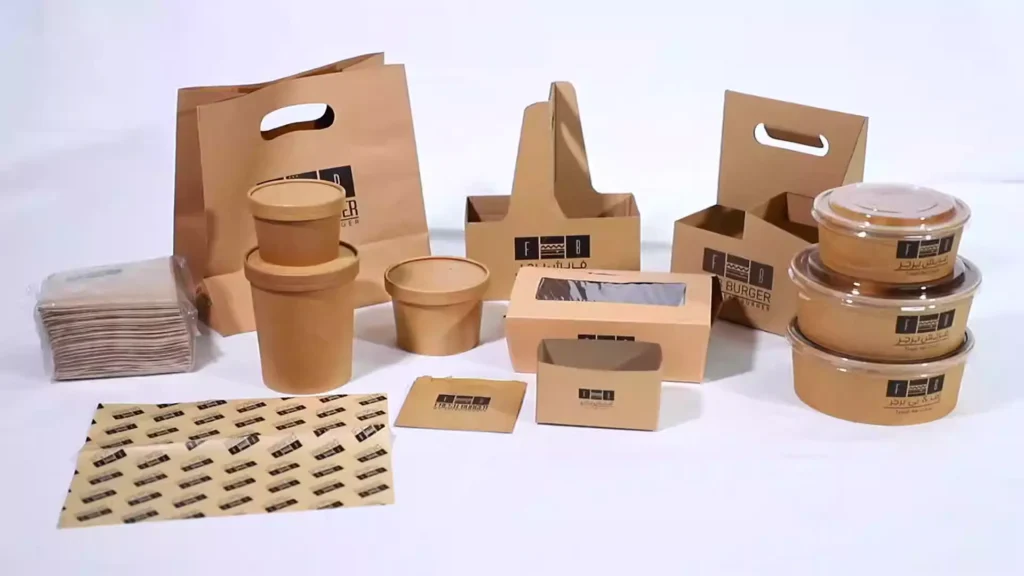
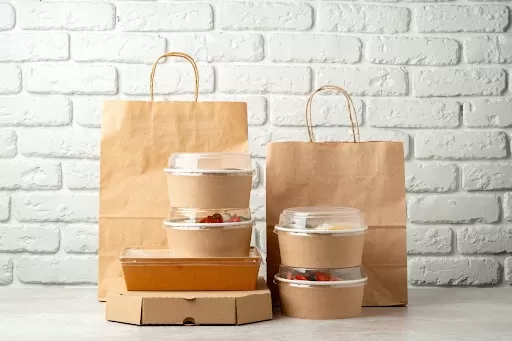
For businesses seeking eco-friendly alternatives, paper-based packaging is a top choice. Kraft paper, corrugated cardboard, and paperboard are commonly used for bakery boxes, sandwich wraps, and takeaway containers. These materials are biodegradable, compostable, and often made from recycled content.
- Kraft Paper: Natural, unbleached, and suitable for dry foods or as liners for greasy items.
- Paperboard: Lightweight and printable, making it ideal for branding and custom designs.
- Corrugated Cardboard: Provides strength for shipping and bulk packaging of food products.
However, paper-based packaging may require coatings or linings to improve moisture and grease resistance. It’s important to ensure that any added layers are also food-safe and compliant with regulations.
Glass Containers: Premium and Inert Solutions
Glass is valued for its inertness—it does not react with food or beverages, making it ideal for products that require a long shelf life or preservation of flavor. Jars, bottles, and specialty containers made from glass are commonly used for sauces, jams, pickles, and beverages.
- Non-porous and impermeable to gases and liquids.
- Reusable and recyclable, supporting sustainability goals.
- Offers a premium look and feel, enhancing product perception.
The main drawbacks of glass are its weight and fragility, which can increase shipping costs and risk of breakage.
Metal Packaging: Durable and Protective
Metals such as aluminum and tinplate are widely used for canned foods, beverages, and ready-to-eat meals. These materials provide an excellent barrier against light, oxygen, and contaminants, helping to extend shelf life.
- Aluminum: Used for beverage cans, trays, and foil wraps. Lightweight, recyclable, and resistant to corrosion.
- Tinplate: Common in canned vegetables, soups, and seafood. Offers strong protection and long-term storage capability.
Metal packaging is especially suitable for products requiring sterilization or pasteurization, but it may not be ideal for all types of food due to cost and weight considerations.
Emerging Trends: Biodegradable and Compostable Packaging
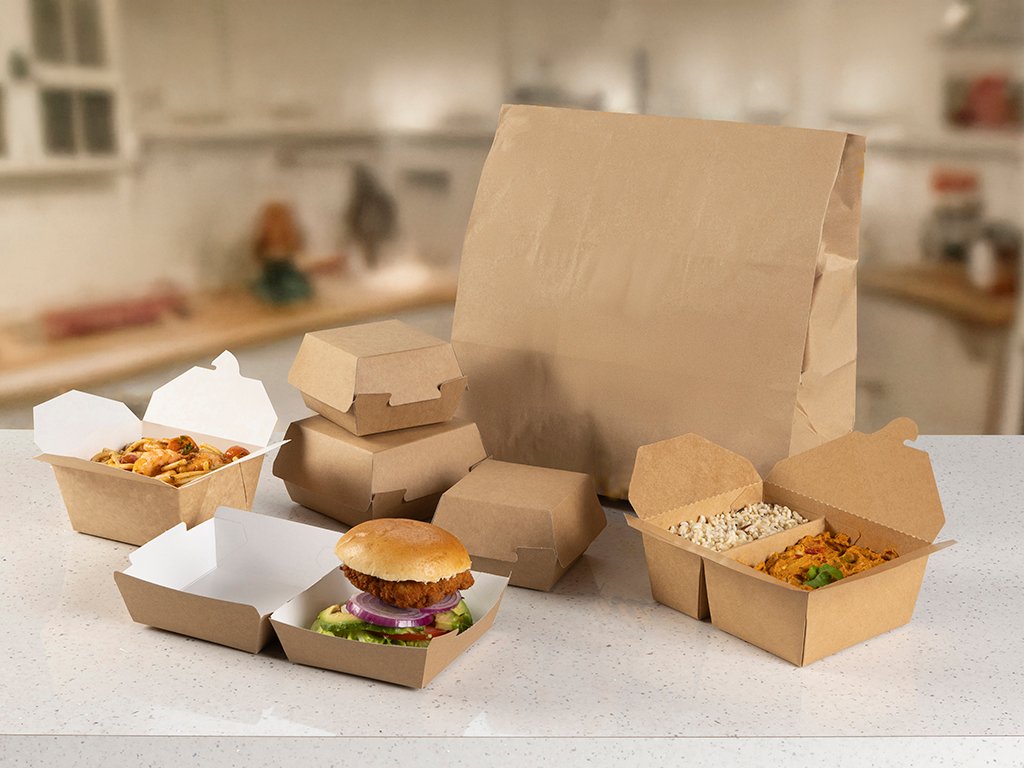
As sustainability becomes a priority, many food businesses are turning to biodegradable and compostable packaging made from materials like PLA (polylactic acid), bagasse (sugarcane fiber), and plant-based films. These options are designed to break down under industrial composting conditions, reducing landfill waste.
While these materials offer environmental benefits, it’s important to verify their food safety certifications and ensure compatibility with your products. Not all compostable packaging is suitable for hot foods or liquids, so testing is recommended.
Key Considerations When Choosing Food-Safe Packaging
Selecting the right packaging involves more than just material choice. Here are some essential factors to consider:
- Regulatory Compliance: Ensure all packaging meets local and international food safety standards.
- Product Compatibility: Match packaging to the specific needs of your food—temperature, moisture, shelf life, and handling.
- Branding and Customer Experience: Choose formats that support your brand image and provide convenience for consumers.
- Environmental Impact: Evaluate recyclability, compostability, and the carbon footprint of your packaging choices.
- Cost and Supply Chain: Balance quality and safety with budget constraints and reliable sourcing.
For a deeper dive into the science and regulations behind food-grade materials, the article on food-grade packaging and food safety standards provides valuable background and best practices.
Innovations and the Future of Food Packaging
The packaging industry is constantly innovating to address both safety and sustainability. Developments in smart packaging, antimicrobial coatings, and edible films are shaping the future of how food is protected and presented. For businesses interested in advanced manufacturing and materials, exploring multimaterial 3D printing can reveal new possibilities for custom packaging solutions.
FAQ: Common Questions About Food-Safe Packaging
What makes packaging food-safe?
Food-safe packaging is made from materials that do not leach harmful chemicals into food and are approved for direct contact by regulatory agencies. These materials undergo rigorous testing for safety, durability, and suitability for different types of food products.
Are biodegradable packaging materials always safe for food?
Not all biodegradable materials are automatically food-safe. They must be certified for food contact and tested for compatibility with the specific food type and conditions (such as temperature and moisture). Always check for relevant certifications before use.
How can businesses ensure their packaging is compliant?
Companies should source packaging from reputable suppliers who provide documentation of food safety compliance. Regular audits, supplier certifications, and staying updated with changing regulations help ensure ongoing compliance and product safety.