Creating apparel that fits and flatters a wide range of body types is a core challenge in the fashion and textile industry. Whether you’re developing a new clothing line, customizing prints, or working with mass production, understanding how to adapt your designs for various sizes and proportions is essential. This guide shares practical tips for designing for different garment sizes, helping you achieve consistency, comfort, and style across your collections.
From pattern adjustments to print placement, there are many factors to consider when scaling designs for diverse bodies. By applying thoughtful strategies and leveraging modern textile technologies, designers can ensure their garments look great and feel comfortable on everyone. If you’re interested in exploring unique surface techniques, you might also find value in learning what is cyanotype printing on clothing for creative inspiration.
Understanding Body Diversity in Apparel Design
The fashion world is moving toward greater inclusivity, making it vital to address the needs of all body shapes and sizes. When considering tips for designing for different garment sizes, start with a clear understanding of your target audience’s measurements and proportions. This foundational knowledge informs every stage of the design process, from pattern drafting to final production.
- Analyze measurement data: Use real-world sizing charts and customer feedback to identify common fit issues and body variations.
- Consider proportions, not just size: Two people may wear the same size but have different torso, hip, or shoulder ratios. Design with these differences in mind.
- Embrace inclusive sizing: Offer extended size ranges and ensure that each size is developed with equal attention to fit and style.
Pattern Grading: Scaling Designs for Every Body
Pattern grading is the process of resizing a base pattern to create a full range of sizes. Effective grading ensures that the garment maintains its intended shape, style, and functionality across all sizes. Here are some essential considerations:
- Grade proportionally: Avoid simply enlarging or shrinking patterns; adjust key points such as armholes, necklines, and waistlines to maintain balance.
- Test fit on multiple bodies: Use fit models or digital avatars representing various sizes to check for comfort and movement.
- Adjust for fabric behavior: Some textiles stretch or drape differently at larger sizes. Factor this into your grading process.
Adapting Prints and Graphics for Various Sizes
When working with printed designs, placement and scale are crucial. A motif that looks perfect on a small shirt may appear awkward or distorted on a larger one. To ensure your artwork enhances every garment:
- Scale graphics thoughtfully: Adjust the size of prints so they remain visually balanced across all garments.
- Consider placement: Centered graphics may shift on larger sizes; adapt placement to maintain symmetry and appeal.
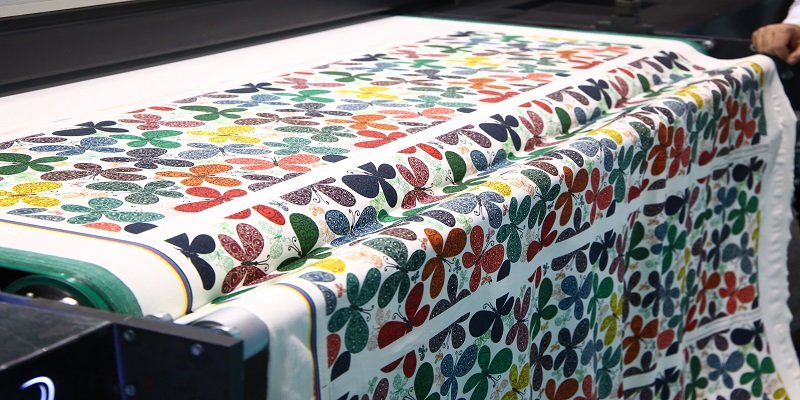
- Use repeat patterns: All-over prints can be more forgiving and adaptable than single large motifs.
Fabric Selection and Construction for Size Inclusivity
The choice of fabric can dramatically affect fit and comfort, especially as garment sizes increase. Here are some tips for designing for different garment sizes with fabric in mind:
- Prioritize stretch and recovery: Fabrics with elastane or spandex offer flexibility and adapt to different body shapes.
- Choose weight and drape wisely: Lightweight fabrics may cling or become see-through on larger sizes, while heavier materials can provide better coverage and structure.
- Reinforce stress points: Larger garments may experience more strain at seams and closures. Use reinforced stitching and quality fastenings.
Design Features That Enhance Fit and Flattery
Thoughtful design details can make garments more flattering and comfortable for everyone. Consider these approaches:
- Strategic seam placement: Princess seams, darts, and panels can shape the garment and provide a better fit.
- Adjustable elements: Features like drawstrings, elastic waists, and adjustable straps allow for customization.
- Proportionate embellishments: Scale decorative elements such as pockets, buttons, or trims to suit each size.

Leveraging Technology for Consistent Results
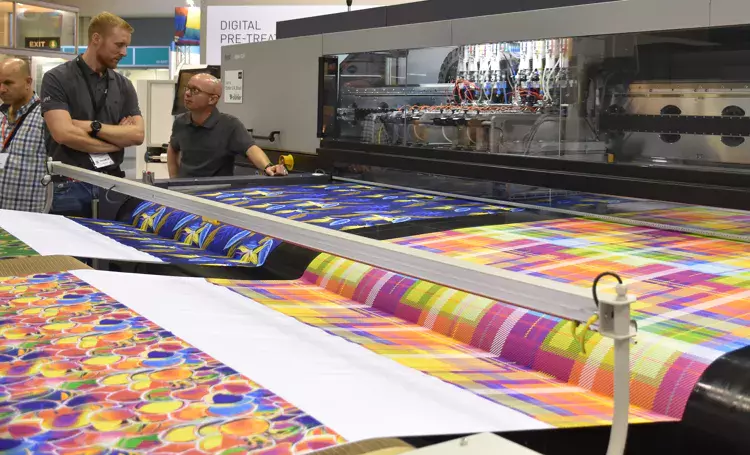
Digital tools and textile technologies have revolutionized how designers approach size inclusivity. 3D modeling, digital pattern making, and advanced printing methods enable precise adjustments and visualization before production. For those interested in the technical side, an overview of digital textile printing technology explains how these innovations are shaping the industry.
By integrating these tools, designers can:
- Preview how prints and patterns will look on different sizes.
- Quickly iterate and refine fit based on digital feedback.
- Reduce waste by minimizing physical samples and errors.
Best Practices for Communicating Size Information
Clear and accurate size information helps customers choose the right fit and reduces returns. Here’s how to improve your size communication:
- Provide detailed charts: Include measurements for bust, waist, hips, and length for every size.
- Use visuals: Diagrams or photos showing where to measure can help customers find their size.
- Offer fit descriptions: Explain if a garment is intended to be fitted, relaxed, or oversized.
For those working in textile printing, understanding how to set up a tech pack for textile printing can also streamline communication between designers, printers, and manufacturers.
Common Mistakes to Avoid When Designing for Size Diversity
Even experienced designers can fall into certain traps when expanding size ranges. Here are some pitfalls to watch out for:
- Neglecting fit testing: Always test garments on real people representing your full size range.
- Overlooking fabric limitations: Not all materials behave the same way at larger scales—test before committing to production.
- Ignoring customer feedback: Listen to reviews and adjust your designs based on real-world experiences.
FAQ: Designing for Size and Proportion
How can I ensure my designs look good on all sizes?
Focus on proportional pattern grading, adjust print placement and scale, and test your garments on a variety of body types. Incorporate adjustable features and use fabrics that drape well across sizes.
What is the best way to adapt prints for larger garments?
Scale up motifs or use repeat patterns to maintain visual harmony. Place graphics thoughtfully to avoid distortion or awkward positioning, and preview designs using digital tools before production.
Why is fabric choice important when designing for size inclusivity?
The right fabric ensures comfort, durability, and a flattering fit. Stretch fabrics accommodate more body shapes, while heavier materials can provide structure and coverage for larger sizes.
How do I communicate size information effectively to customers?
Use comprehensive size charts, clear measurement instructions, and fit descriptions. Visual aids and honest product photography can further help customers make informed choices.