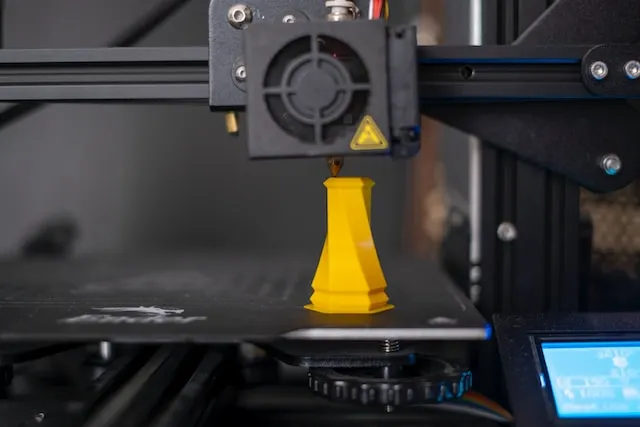
Selective Laser Sintering, commonly known as SLS 3D printing, is a powerful additive manufacturing technology that has transformed how prototypes and end-use parts are produced. By using a laser to fuse powdered materials layer by layer, this method delivers strong, functional components with intricate geometries. For those interested in advanced manufacturing or rapid prototyping, understanding how SLS works, what materials it uses, and its practical applications is essential.
As the world of additive manufacturing continues to evolve, SLS stands out for its versatility and efficiency. Whether you’re a product designer, engineer, or simply curious about modern fabrication, this article will walk you through the essentials of the SLS process, discuss compatible materials, and highlight real-world uses. If you want to see how this technology fits into the broader context, you might find the history of 3D printing a useful background.
How the SLS Process Works
At its core, SLS 3D printing uses a high-powered laser to selectively fuse small particles of polymer powder. The process begins with a thin layer of powder spread across the build platform. The laser traces the cross-section of the part, sintering the powder where needed. After each layer, the platform lowers slightly, and a new layer of powder is applied. This sequence repeats until the part is complete.
Unlike some other additive manufacturing methods, SLS does not require support structures. The unsintered powder surrounding the part acts as a natural support, allowing for complex shapes and overhangs. Once printing is finished, the part is removed from the powder bed, cleaned, and, if necessary, post-processed for enhanced properties or appearance.
Materials Used in SLS Additive Manufacturing
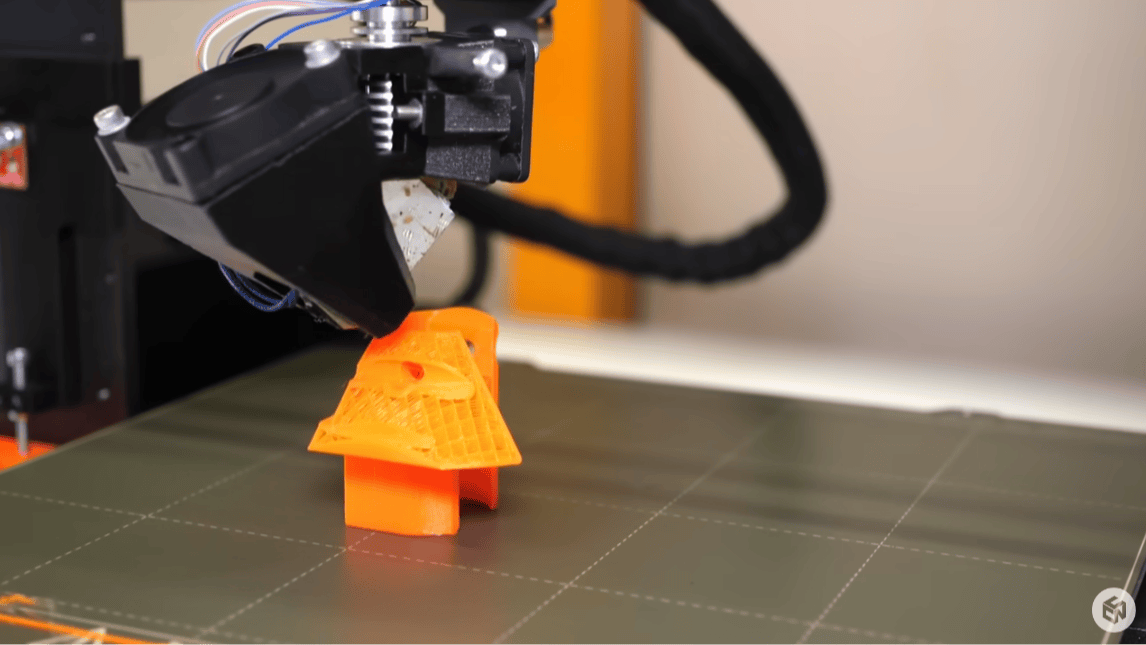
One of the strengths of SLS is its compatibility with a variety of powdered materials. The most common are thermoplastic polymers, which offer a balance of strength, flexibility, and durability. Here are some popular choices:
- Nylon (Polyamide, PA12 and PA11): Known for toughness, chemical resistance, and flexibility. Widely used for functional prototypes and end-use parts.
- Glass-Filled Nylon: Enhanced stiffness and heat resistance, suitable for engineering applications.
- TPU (Thermoplastic Polyurethane): Provides rubber-like flexibility for gaskets, seals, and wearable items.
- Aluminum-Filled Polymers: Used for lightweight parts with improved thermal properties.
Material selection depends on the intended use of the part. For example, nylon is favored for mechanical components, while TPU is ideal for flexible items. The ability to print with these materials makes SLS suitable for both rapid prototyping and small-batch production.
Key Advantages of SLS 3D Printing
SLS stands out among types of 3D printing technologies for several reasons:
- No Need for Support Structures: The surrounding powder supports the part, enabling complex designs and reducing post-processing time.
- Excellent Mechanical Properties: SLS parts are strong and suitable for functional testing or end-use applications.
- Efficient Use of Material: Unused powder can often be recycled, minimizing waste.
- High Design Freedom: Intricate geometries, moving assemblies, and internal channels are possible.
- Batch Production: Multiple parts can be printed simultaneously, making SLS cost-effective for small runs.
These benefits make SLS a preferred choice for industries that demand precision, durability, and flexibility in design.
Common Applications for SLS Technology
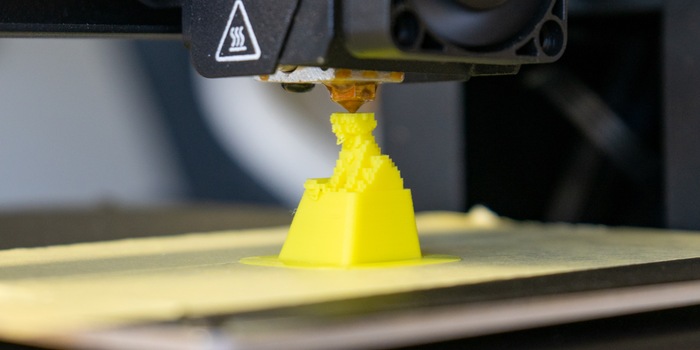
The versatility of SLS has led to its adoption across a wide range of industries. Some of the most notable applications include:
- Rapid Prototyping: Engineers and designers use SLS to quickly iterate and test functional prototypes with real-world performance.
- End-Use Parts: SLS is increasingly used to manufacture finished products, especially in low to medium volumes.
- Automotive Components: Custom brackets, housings, and ductwork are often produced using SLS for their strength and precision.
- Medical Devices: The technology enables the creation of patient-specific implants, prosthetics, and surgical guides.
- Consumer Goods: Wearables, eyewear, and sports equipment benefit from the customization and durability offered by SLS.
As the technology matures, new applications continue to emerge, especially in sectors that value customization, speed, and robust mechanical properties.
Comparing SLS to Other 3D Printing Methods
When evaluating additive manufacturing options, it’s helpful to compare SLS with other popular methods like Fused Deposition Modeling (FDM) and Stereolithography (SLA). SLS offers superior mechanical properties and design freedom compared to FDM, which is more accessible but limited in material strength and detail. SLA, on the other hand, produces highly detailed parts but typically uses brittle resins.
For a deeper dive into the differences, see this overview of FDM vs SLA printing. Each technology has its strengths, but SLS is often chosen for demanding engineering applications and functional prototypes.
Emerging Trends and the Future of SLS
The field of additive manufacturing is rapidly evolving, and SLS is no exception. Advances in printer hardware, powder recycling, and material science are making SLS more accessible and cost-effective. New materials, including composites and bio-based powders, are expanding the range of possible applications.
As these innovations continue, SLS is expected to play a larger role in distributed manufacturing and on-demand production. For insights into what’s ahead, explore the future of 3D printing and how trends are shaping manufacturing and design.
Frequently Asked Questions
What Is the Main Advantage of SLS Over Other 3D Printing Methods?
The primary advantage of SLS is its ability to produce strong, functional parts without the need for support structures. This allows for more complex designs and reduces post-processing time compared to other methods like FDM or SLA.
Which Materials Are Most Commonly Used in SLS Printing?
The most widely used materials are nylon (PA12 and PA11), glass-filled nylon, and TPU. These materials offer a balance of strength, flexibility, and durability, making them suitable for a variety of engineering and consumer applications.
Is SLS Suitable for End-Use Production or Just Prototyping?
SLS is well-suited for both prototyping and end-use production. Its ability to produce durable, high-quality parts makes it a popular choice for low to medium volume manufacturing, especially when customization or complex geometries are required.
Where Can I Learn More About 3D Printing Technologies?
For a broader understanding of additive manufacturing, visit this comprehensive guide to 3D printing basics or explore the benefits of 3D printing for additional insights.