The use of plastic in food packaging is widespread due to its durability, lightweight properties, and ability to preserve freshness. However, concerns about environmental impact and food safety have made plastic recycling in food packaging a critical topic for manufacturers, retailers, and consumers alike. Understanding how plastics are recycled, the challenges involved, and the innovations shaping the industry can help businesses and individuals make more informed choices about packaging and sustainability.
If you’re interested in a broader look at sustainable materials and regulations, the guide on food-safe packaging and recycling provides additional context on safe practices and recycling standards.
Why Recycling Plastics in Food Packaging Matters
Food packaging accounts for a significant portion of global plastic waste. Most single-use containers, wraps, and trays are made from various types of plastics, some of which are more easily recycled than others. The environmental impact of discarded packaging is substantial, contributing to landfill overflow and pollution. By improving plastic recycling in food packaging, the industry can reduce resource consumption, lower greenhouse gas emissions, and minimize waste.
Types of Plastics Used in Food Packaging
Not all plastics are created equal, especially when it comes to food safety and recyclability. The most common plastics found in packaging include:
- Polyethylene Terephthalate (PET or PETE): Used for beverage bottles and some food containers; widely recycled.
- High-Density Polyethylene (HDPE): Common in milk jugs and juice bottles; also highly recyclable.
- Polyvinyl Chloride (PVC): Used for cling films and some bottles; less commonly recycled due to additives.
- Low-Density Polyethylene (LDPE): Found in bread bags and squeezable bottles; recycling options are limited.
- Polypropylene (PP): Used for yogurt cups and food trays; increasingly accepted in recycling programs.
- Polystyrene (PS): Used for disposable cutlery and foam trays; rarely recycled due to contamination and cost.

How the Recycling Process Works for Food Packaging Plastics
The journey from used packaging to recycled material involves several steps. Here’s how the process typically unfolds:
- Collection and Sorting: Used packaging is collected from households, businesses, or recycling centers. At facilities, plastics are sorted by type and grade, often using automated systems.
- Cleaning: Food residue and labels are removed to prevent contamination. This step is crucial for maintaining the quality of recycled plastics.
- Shredding and Washing: Plastics are shredded into small flakes and washed again to remove any remaining impurities.
- Melting and Pelletizing: Clean flakes are melted and formed into pellets, which serve as raw material for new products.
- Manufacturing: Recycled pellets are used to create new packaging or other plastic goods, closing the loop.
The efficiency and effectiveness of recycling depend heavily on the cleanliness of the materials and the compatibility of different plastic types.
Challenges in Recycling Food Packaging Plastics
While the benefits of recycling are clear, several obstacles make the process complex:
- Contamination: Food residue, grease, and mixed materials (such as paper labels or metal closures) can interfere with recycling and lower the quality of the final product.
- Multi-Layer Packaging: Many food packages use layers of different plastics or combine plastic with other materials for barrier properties. These are difficult to separate and recycle.
- Limited Recycling Infrastructure: Not all communities have access to facilities that can process every type of plastic, especially less common resins.
- Economic Factors: The cost of collecting, cleaning, and processing plastics can exceed the value of the recycled material, making recycling less attractive for some types of packaging.
Innovations and Solutions for Sustainable Packaging
To address these challenges, the industry is exploring new materials and technologies. Some promising developments include:
- Mono-Material Packaging: Using a single type of plastic makes recycling easier and more efficient.
- Bioplastics and Compostable Films: While not always recyclable, these alternatives can reduce reliance on fossil fuels and offer other environmental benefits.
- Improved Sorting Technology: Advanced sensors and AI-driven systems can better identify and separate plastics for recycling.
- Design for Recycling: Packaging designers are increasingly considering end-of-life options, choosing materials and adhesives that simplify recycling.

Food Safety and Regulatory Considerations
Ensuring that recycled plastics are safe for food contact is a top priority. Regulations require that materials used in food packaging meet strict standards for purity and performance. In many regions, only certain types of recycled plastics are approved for direct contact with food, and the recycling process must be carefully controlled to avoid contamination.
For a detailed overview of these requirements, see a guide to food-grade packaging materials requirements, which outlines the standards and testing protocols for safe packaging.
Best Practices for Businesses and Consumers
Both companies and individuals can play a role in improving the sustainability of food packaging. Here are some practical steps:
- Choose Recyclable Packaging: Opt for products with clear recycling symbols and avoid multi-material packages when possible.
- Clean Containers Before Recycling: Rinse out food residue to prevent contamination in the recycling stream.
- Stay Informed: Check local recycling guidelines to understand which plastics are accepted in your area.
- Support Innovation: Look for brands that use recycled content or invest in new sustainable packaging solutions.
- Reduce and Reuse: Whenever possible, minimize single-use plastics and reuse containers to cut down on waste.
For more strategies on minimizing environmental impact, explore these tips on reducing food packaging waste.
Frequently Asked Questions
What types of plastic food packaging are easiest to recycle?
PET (Polyethylene Terephthalate) and HDPE (High-Density Polyethylene) are the most widely recycled plastics in food packaging. These materials are commonly used for beverage bottles and rigid containers, and most recycling programs accept them. Other types, like LDPE and PP, are becoming more recyclable as technology and infrastructure improve.
Can recycled plastics be safely used for food packaging?
Yes, but only under strict regulatory controls. Recycled plastics intended for food contact must meet rigorous safety standards to ensure they are free from contaminants. Only certain recycling processes and materials are approved for direct food contact, and these are closely monitored by food safety authorities.
How can I tell if a food package is recyclable?
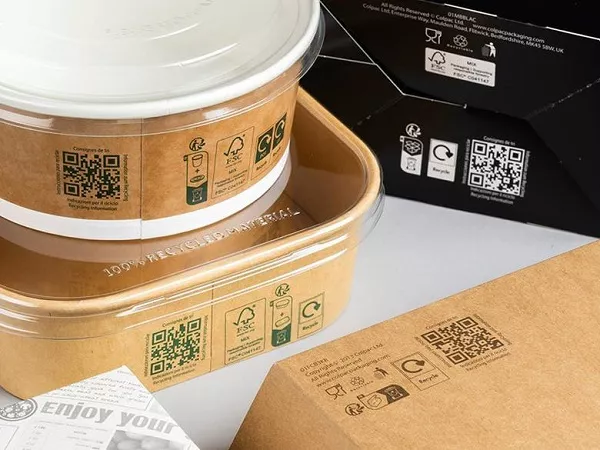
Look for recycling symbols and resin identification codes (numbers 1–7) on the packaging. Most PET and HDPE containers are recyclable, but always check your local guidelines, as acceptance varies by region. Avoid packaging made from mixed materials or those without clear recycling information.