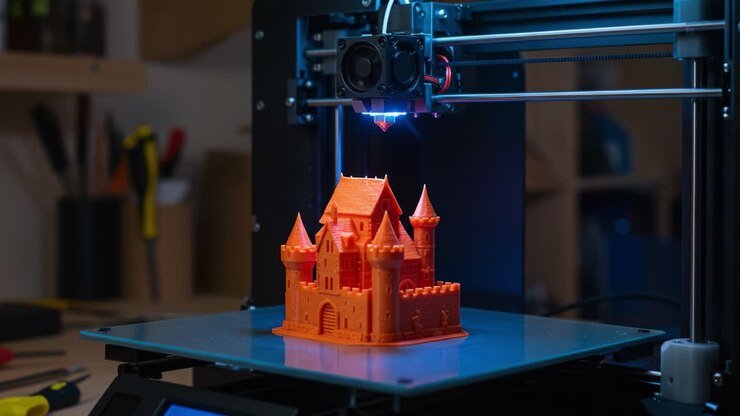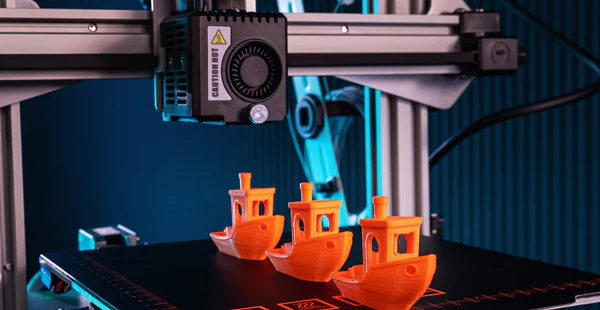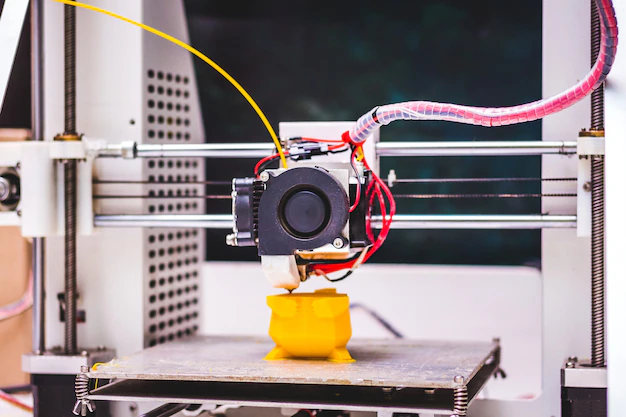
Plastic 3D printing has revolutionized the way prototypes, models, and even end-use products are made. With its increasing accessibility, both hobbyists and professionals can now create complex shapes and functional parts directly from digital designs. This plastic 3D printing guide will walk you through the essential materials, the most common techniques, and practical tips to help you achieve the best results, whether you’re just starting out or looking to refine your process.
Understanding the basics of plastic-based additive manufacturing is key to unlocking its full potential. From choosing the right filament or resin to mastering your printer’s settings, each step influences the quality and durability of your prints. For those interested in how this technology has evolved, the history of 3D printing offers valuable context on its rapid development and future possibilities.
Understanding Plastic 3D Printing Materials
The choice of material is fundamental in any plastic 3D printing guide. Different plastics offer unique properties, making them suitable for various applications. Here are the most widely used types:
- PLA (Polylactic Acid): A biodegradable, easy-to-use filament ideal for beginners. It prints at lower temperatures and produces minimal warping, but is less heat-resistant than other plastics.
- ABS (Acrylonitrile Butadiene Styrene): Known for its strength and durability, ABS is commonly used for functional parts. It requires higher temperatures and good ventilation due to potential fumes.
- PETG (Polyethylene Terephthalate Glycol): Combines the ease of PLA with the strength of ABS. PETG is food-safe, less brittle, and offers good chemical resistance.
- TPU (Thermoplastic Polyurethane): A flexible filament used for parts that need to bend or stretch, such as phone cases or gaskets.
- Resins: Used in SLA and DLP printers, resins can produce highly detailed prints. There are various formulations, from standard to engineering-grade, each with different mechanical properties.
Selecting the right plastic depends on your project’s requirements—consider strength, flexibility, ease of printing, and post-processing needs.
Key Techniques in Plastic Additive Manufacturing
Several methods exist for creating objects from plastic. The most common techniques include:
Fused Deposition Modeling (FDM)
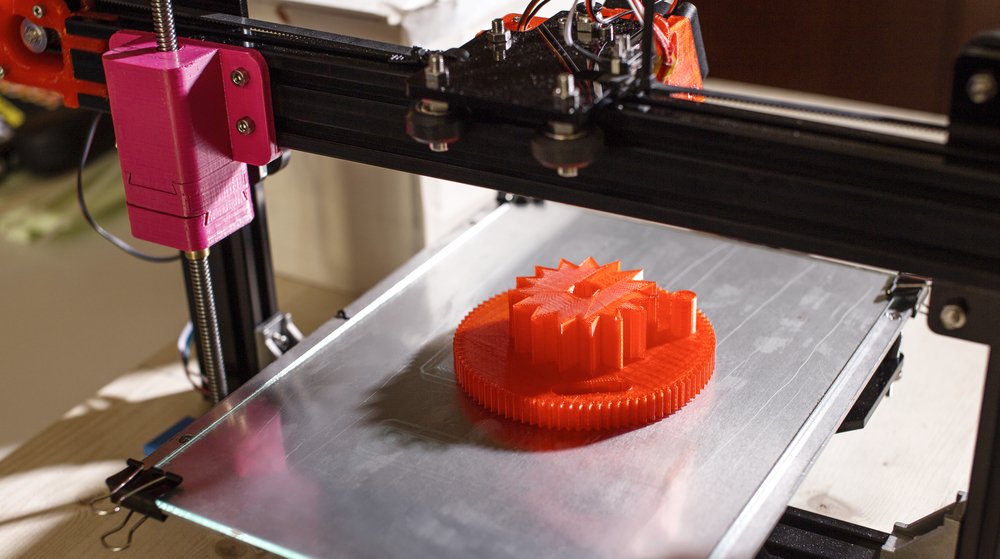
FDM is the most accessible and widely used method. It works by extruding melted plastic filament layer by layer to build up the object. FDM is suitable for rapid prototyping, functional parts, and educational projects. For a deeper dive into how FDM compares to other technologies, check out the detailed comparison on FDM vs SLA printing.
Stereolithography (SLA) and Digital Light Processing (DLP)
SLA and DLP use liquid resins cured by light to form solid layers. These methods produce high-resolution prints with smooth surfaces, making them ideal for detailed models, jewelry, and dental applications. However, they require post-processing to remove excess resin and cure the print fully.
Other Notable Techniques
Additional plastic-based processes include Selective Laser Sintering (SLS) and Multi Jet Fusion (MJF), which use powdered plastics and advanced machinery. While less common for home use, these are popular in industrial settings for producing durable, functional parts.
Tips for Successful Plastic 3D Printing
Achieving consistent, high-quality prints involves more than just loading filament and pressing start. Here are some practical tips:
- Level the Print Bed: An uneven bed can cause poor adhesion and failed prints. Regularly check and calibrate your bed before starting a new project.
- Optimize Print Settings: Adjust layer height, print speed, and temperature based on your material. Most manufacturers provide recommended settings for their filaments.
- Control the Environment: Drafts and temperature fluctuations can affect print quality, especially with materials like ABS. Use an enclosure or print in a stable environment.
- Use Supports and Adhesion Aids: Overhangs and complex geometries may require supports. Blue painter’s tape, glue sticks, or PEI sheets can help prints stick to the bed.
- Post-Process for Best Results: Sanding, painting, or vapor smoothing can enhance the appearance and strength of your finished parts.
For more on how these tips translate to real-world benefits, see the benefits of 3D printing and how they impact speed, cost, and flexibility.
Choosing the Right Method for Your Project
Deciding which technique and material to use depends on your goals. FDM is great for quick prototypes and functional parts, while SLA and DLP excel at producing fine details. If you’re unsure which process fits your needs, reviewing the types of 3D printing technologies can help clarify the options.
For those interested in where the industry is heading, exploring the future of 3D printing reveals trends like new materials, smarter printers, and broader applications across industries.
Common Challenges and How to Overcome Them
Even experienced users encounter issues with plastic-based additive manufacturing. Here are solutions to some frequent problems:
- Warping: Use a heated bed, proper adhesion aids, and enclosures to minimize warping, especially with ABS.
- Stringing: Adjust retraction settings and print temperature to reduce unwanted strings between parts.
- Layer Shifting: Ensure belts and pulleys are tight, and avoid bumping the printer during operation.
- Poor Surface Finish: Fine-tune layer height and slow down print speed for smoother results. Post-processing can also help.
- Failed Supports: Experiment with support density and placement, and use slicer previews to check for potential issues.
For a broader perspective on how plastic 3D printing fits into the world of manufacturing, the comprehensive overview of 3D printing technology provides additional insights and industry trends.
FAQ: Plastic 3D Printing Essentials
What is the best plastic for beginners to use?
PLA is widely recommended for those new to 3D printing. It’s easy to print, requires lower temperatures, and produces reliable results with minimal warping.
How do I prevent my prints from sticking too much to the bed?
Use removable adhesives like glue sticks or painter’s tape, and allow the bed to cool before removing prints. Some build surfaces are designed for easy release.
Can I use recycled or biodegradable plastics?
Yes, many brands offer recycled or biodegradable filaments, such as PLA. Always check the manufacturer’s recommendations for print settings and compatibility with your printer.
How do I choose between FDM and resin printing?
FDM is better for larger, functional parts and is generally more affordable. Resin printing (SLA/DLP) is ideal for small, highly detailed models but requires more post-processing and safety precautions.