Choosing the right filament is a crucial step for anyone working with FDM 3D printers. Two of the most popular materials on the market are PLA (Polylactic Acid) and ABS (Acrylonitrile Butadiene Styrene). Each has distinct properties, advantages, and drawbacks that make them suitable for different types of projects. This PLA vs ABS comparison will help you understand the differences between these materials, so you can make an informed decision for your next print.
Whether you’re a hobbyist, a student, or a professional, knowing which filament to use can impact print quality, durability, and ease of use. We’ll break down the key factors—such as strength, printability, environmental impact, and cost—to guide you through the selection process. If you’re just starting out, you might also find our how to start 3D printing at home guide helpful for understanding the basics before diving into material choices.
Understanding PLA and ABS Filaments
Before comparing the two, it’s important to understand what sets PLA and ABS apart at a fundamental level. Both are thermoplastics, meaning they become soft and moldable when heated and solidify upon cooling. However, their chemical makeup and resulting properties differ significantly.
- PLA is derived from renewable resources like corn starch or sugarcane. It is considered more environmentally friendly and is biodegradable under industrial composting conditions.
- ABS is a petroleum-based plastic known for its toughness and impact resistance. It’s widely used in manufacturing, including products like LEGO bricks and automotive parts.
For a deeper dive into the basics of additive manufacturing, you can check out this comprehensive overview of 3D printing technology.
Key Differences: PLA vs ABS Comparison
Let’s look at the most important factors in this PLA vs ABS comparison, including printability, strength, durability, and more.
Printability and Ease of Use
PLA is widely regarded as the easiest filament to print with, especially for beginners. It has a lower melting temperature (around 180–220°C) and doesn’t require a heated bed, although using one can improve results. PLA emits minimal fumes and is less prone to warping, making it ideal for home and classroom environments.
ABS, on the other hand, requires higher extrusion temperatures (220–250°C) and a heated bed (90–110°C) to prevent warping and cracking. It also releases noticeable fumes during printing, so good ventilation is essential. The learning curve is steeper, but the results can be worth it for specific applications.
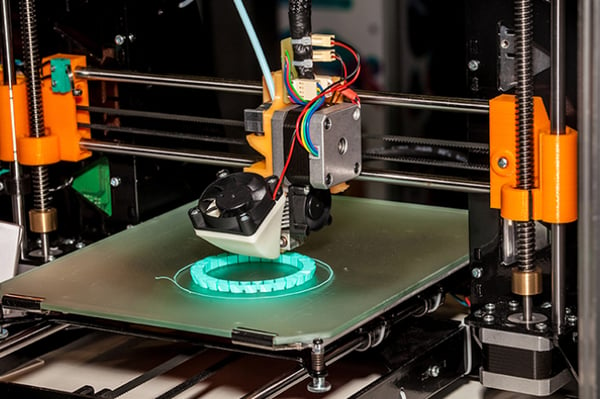
Strength and Durability
When it comes to mechanical properties, ABS is generally stronger and more durable than PLA. ABS parts can withstand higher temperatures (up to 100°C) and are more resistant to impact, making them suitable for functional prototypes, automotive components, and toys.
PLA is more rigid but less impact-resistant. It tends to be more brittle and can deform at temperatures as low as 60°C. For decorative items, models, and low-stress applications, PLA is usually sufficient.
Surface Finish and Detail
PLA offers a smooth, glossy finish and is available in a wide range of vibrant colors. It’s excellent for printing detailed models, figurines, and display pieces. ABS can also produce fine details but often requires post-processing (like acetone vapor smoothing) to achieve a high-quality finish.
Environmental Impact
PLA is marketed as a more sustainable option since it’s made from renewable resources and is industrially compostable. However, it does not biodegrade in typical home composting or landfill conditions. ABS is not biodegradable and is derived from fossil fuels, which raises environmental concerns.
Cost and Availability
Both PLA and ABS are affordable and widely available. PLA is often slightly less expensive and comes in more color and specialty options. ABS is also easy to find but may cost a bit more due to its enhanced properties.
When to Use PLA or ABS for 3D Printing
The choice between these two filaments depends on the requirements of your project. Here are some common scenarios:
- Choose PLA for prototypes, decorative models, educational projects, and when ease of use is a priority.
- Choose ABS for functional parts, mechanical components, or items that need to withstand heat and impact.
If you encounter issues with either material, our 3D printing troubleshooting guide can help you resolve common problems like warping, stringing, or poor bed adhesion.
Pros and Cons of PLA and ABS
| Property | PLA | ABS |
|---|---|---|
| Print Temperature | 180–220°C | 220–250°C |
| Heated Bed Required | No (recommended) | Yes |
| Strength | Rigid, brittle | Tough, impact-resistant |
| Heat Resistance | Low (up to 60°C) | High (up to 100°C) |
| Ease of Printing | Easy | Moderate to difficult |
| Environmental Impact | Biodegradable (industrial) | Non-biodegradable |
| Surface Finish | Smooth, glossy | Matte, can be smoothed |
| Fume Emission | Minimal | Noticeable, ventilation needed |
Tips for Successful Printing with PLA and ABS
To get the best results from either material, keep these practical tips in mind:
- PLA: Store in a cool, dry place to prevent moisture absorption. Use blue painter’s tape or a PEI sheet for good bed adhesion.
- ABS: Print in a well-ventilated area or use an enclosure to minimize warping and exposure to fumes. Apply a glue stick or ABS slurry to the bed for better adhesion.
- Calibrate your printer’s temperature settings for each filament batch, as variations can affect print quality.
- If you run into issues, consult resources like our how to fix 3D printing errors article for troubleshooting advice.
Frequently Asked Questions
Which is safer to use indoors, PLA or ABS?
PLA is generally considered safer for indoor use because it emits minimal fumes and does not require high print temperatures. ABS releases noticeable odors and potentially harmful particles, so proper ventilation is necessary when printing with it.
Can I use PLA and ABS on the same 3D printer?
Most FDM printers can handle both materials, provided they can reach the required extrusion temperatures. However, you’ll need a heated bed for ABS and may want to use an enclosure for best results.
What are the main applications for PLA and ABS?
PLA is best for prototypes, decorative objects, and educational models. ABS is preferred for functional parts, mechanical components, and items exposed to heat or stress.
How do I avoid warping with ABS?
Use a heated bed, print enclosure, and ensure good bed adhesion. Printing in a draft-free environment also helps minimize warping.
Conclusion: Making the Right Choice for Your Project
Both PLA and ABS are excellent choices for 3D printing, but each excels in different scenarios. PLA is perfect for beginners and projects where ease of use and environmental considerations matter most. ABS is the go-to for strength, durability, and parts that need to withstand higher temperatures.
Assess your project’s needs, your printer’s capabilities, and your workspace environment before selecting a filament. For more tips on avoiding common pitfalls, see our guide on common 3D printing mistakes. With the right material and a bit of practice, you’ll be able to produce high-quality prints tailored to your goals.