Metal powder printing has rapidly transformed the landscape of industrial manufacturing. By enabling the creation of complex, high-strength components directly from digital designs, this advanced form of additive manufacturing is now a cornerstone in sectors ranging from aerospace to automotive and medical devices. Understanding the fundamentals, processes, and practical considerations of this technology is essential for engineers, designers, and businesses seeking to leverage its unique advantages.
In this article, we’ll explore the principles behind metal-based additive manufacturing, examine key methods and materials, and provide actionable guidance for those interested in adopting or optimizing these processes. For readers interested in the broader context of sustainable and eco-conscious production, our eco friendly 3D printing resource offers additional insights into reducing waste and environmental impact.
Understanding the Basics of Metal Powder Additive Manufacturing
At its core, metal powder printing refers to a family of additive manufacturing techniques that build parts layer by layer using fine metal powders. Unlike traditional subtractive processes, which carve objects from solid blocks, these methods fuse or bind powder particles to form intricate geometries that would be difficult or impossible to achieve with conventional machining.
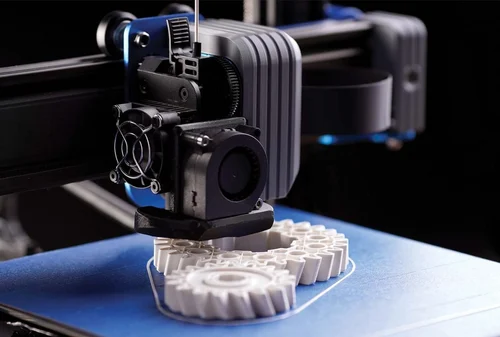
The process begins with a digital 3D model, which is sliced into thin layers. Specialized printers then deposit or spread metal powder, selectively fusing each layer using a heat source such as a laser or electron beam, or by binding agents. The result is a solid, fully dense metal part with properties comparable to—or sometimes exceeding—those of wrought or cast metals.
Key Technologies in Metal Powder Printing
Several distinct technologies fall under the umbrella of metal-based additive manufacturing. The most widely used include:
- Selective Laser Melting (SLM): Uses a high-powered laser to fully melt and fuse metal powder particles, producing parts with excellent mechanical properties.
- Direct Metal Laser Sintering (DMLS): Similar to SLM, but may not fully melt the powder, resulting in slightly different microstructures.
- Electron Beam Melting (EBM): Employs an electron beam instead of a laser, operating in a vacuum and often used for titanium alloys.
- Binder Jetting: Deposits a liquid binding agent onto a bed of metal powder, which is later sintered in a furnace to achieve final strength.
Each method has its own advantages and limitations regarding speed, resolution, material compatibility, and part performance. For a deeper dive into the full spectrum of 3D printing materials, visit our 3D printing materials overview.
Materials Used in Metal-Based 3D Printing
The choice of metal powder is a critical factor in determining the properties and performance of printed parts. Common materials include:
- Stainless Steel: Offers strength, corrosion resistance, and versatility for a wide range of applications.
- Titanium Alloys: Valued for their high strength-to-weight ratio and biocompatibility, making them ideal for aerospace and medical implants.
- Aluminum Alloys: Lightweight and good for parts requiring thermal conductivity or reduced mass.
- Nickel Superalloys: Used in high-temperature environments, such as turbine blades and engine components.
- Tool Steels: Suitable for molds, dies, and tooling thanks to their hardness and wear resistance.
The powders are typically produced through atomization processes to ensure uniform particle size and shape, which are vital for consistent layer deposition and fusion.
Advantages and Limitations of Metal Powder Manufacturing
The adoption of metal powder printing in industry is driven by several compelling benefits:
- Design Freedom: Enables creation of complex geometries, internal channels, and lattice structures not possible with traditional methods.
- Material Efficiency: Minimizes waste by using only the material required for the part, with unused powder often being recyclable.
- Rapid Prototyping and Production: Accelerates development cycles and allows for on-demand manufacturing.
- Customization: Supports tailored solutions for medical, aerospace, and automotive applications.
However, there are also challenges to consider:
- Equipment Cost: Industrial metal 3D printers and powder handling systems represent a significant investment.
- Post-Processing Requirements: Parts often require heat treatment, support removal, and surface finishing.
- Material Limitations: Not all alloys are available or printable; some materials may require specialized handling.
- Process Control: Achieving consistent quality demands rigorous control of powder characteristics and printing parameters.
Applications Across Industries
The versatility of metal-based additive manufacturing has led to its adoption in a range of sectors:
- Aerospace: Lightweight structural components, engine parts, and custom brackets.
- Medical: Patient-specific implants, dental prosthetics, and surgical instruments.
- Automotive: Prototyping, motorsport components, and lightweight assemblies.
- Tooling: Rapid production of molds, dies, and jigs with integrated cooling channels.
- Energy: Turbine blades, heat exchangers, and components for oil and gas.
As the technology matures, new uses continue to emerge, driven by the need for high-performance, customized, and efficient solutions.

How to Get Started with Metal-Based 3D Printing
For organizations or individuals considering the adoption of metal powder printing technologies, several practical steps can help ensure a successful transition:
- Assess Application Needs: Identify parts or products that could benefit from additive manufacturing, focusing on complexity, customization, or performance improvements.
- Choose the Right Technology: Evaluate SLM, DMLS, EBM, and binder jetting based on material requirements, part size, and desired properties.
- Select Suitable Materials: Work with suppliers to source high-quality metal powders that match your application’s needs.
- Design for Additive Manufacturing (DfAM): Optimize CAD models to take advantage of design freedoms and minimize support structures.
- Establish Post-Processing Workflows: Plan for heat treatment, surface finishing, and quality control to achieve final part specifications.
- Invest in Training and Safety: Ensure staff are trained in powder handling, equipment operation, and safety protocols.
For those interested in the environmental impact of additive manufacturing, consider exploring recycled filaments for 3D printing and biodegradable 3D printing materials for sustainable options.
Quality Control and Safety Considerations
Working with fine metal powders introduces unique challenges in terms of quality assurance and workplace safety. Key considerations include:
- Powder Handling: Use enclosed systems and protective equipment to minimize exposure and prevent contamination.
- Atmosphere Control: Many processes require inert gas environments to prevent oxidation during printing.
- Inspection and Testing: Employ non-destructive testing (NDT), microscopy, and mechanical testing to verify part integrity.
- Regulatory Compliance: Adhere to industry standards for materials, processes, and finished parts.
For a broader understanding of how 3D printing works, including non-metal processes, see this comprehensive explanation of 3D printing technology.
FAQ
What is the difference between metal powder printing and traditional metalworking?
Metal powder additive manufacturing builds objects layer by layer from fine powders, enabling complex shapes and internal features. Traditional metalworking typically involves casting, forging, or machining solid blocks, which can limit design freedom and often results in more material waste.
Which industries benefit most from metal-based 3D printing?
Aerospace, medical, automotive, energy, and tooling sectors are among the primary beneficiaries. These industries value the ability to produce lightweight, customized, and high-performance components that would be difficult or costly to manufacture using conventional methods.
Are metal 3D printed parts as strong as conventionally manufactured ones?
Yes, in many cases, parts produced via metal powder-based processes can match or even exceed the mechanical properties of cast or wrought metals. However, achieving optimal strength and reliability depends on proper material selection, process control, and post-processing.
Is metal powder printing environmentally friendly?
This technology is generally more material-efficient than subtractive methods, as it uses only the required amount of powder and often allows for recycling of unused material. For more on sustainable practices, see our resources on eco friendly 3D printing.
What are the main safety concerns?
Handling fine metal powders requires strict safety protocols to prevent inhalation, fire, or explosion risks. Proper ventilation, protective equipment, and training are essential for safe operation.