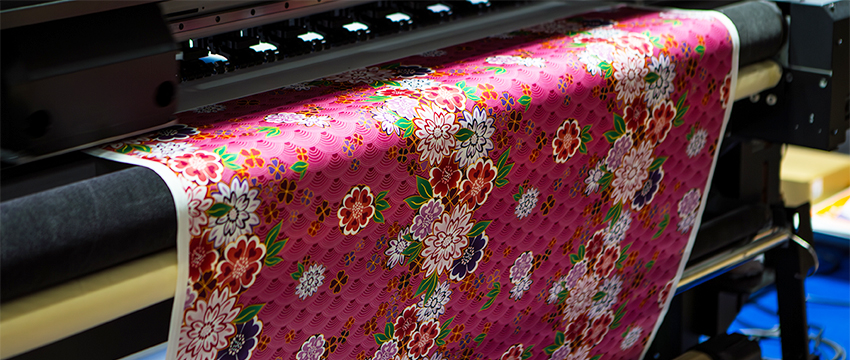
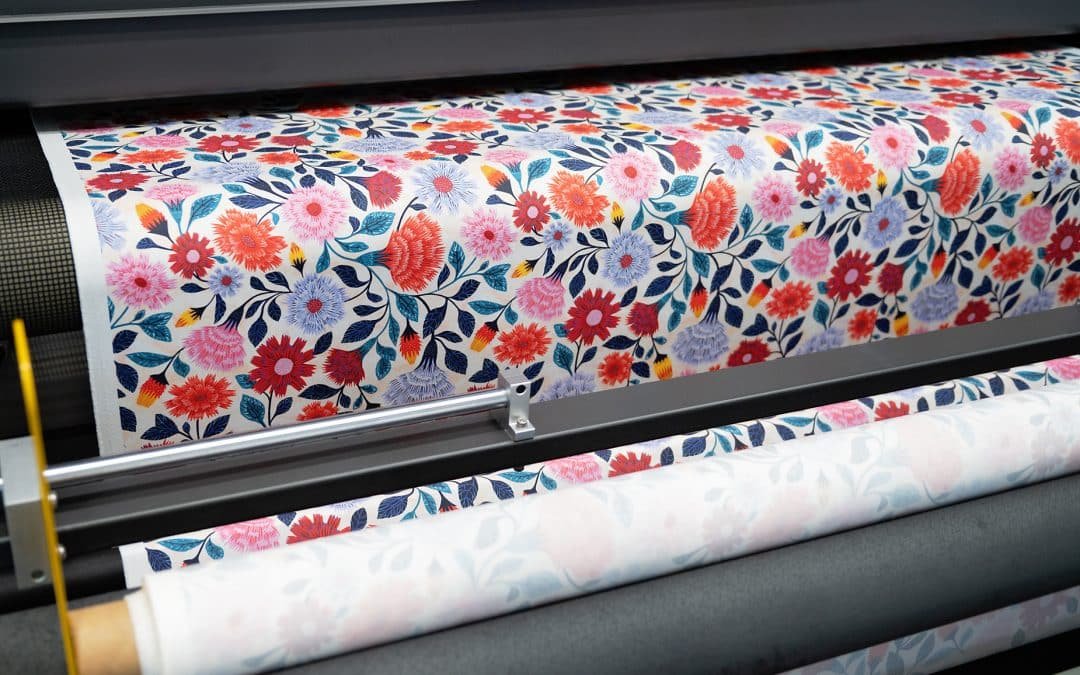
Silk is renowned for its luxurious feel, natural sheen, and delicate structure. However, these very qualities make it a challenging textile for printing. Whether you’re a designer, artist, or manufacturer, understanding how to print on silk without damaging the fibers is crucial for preserving both the beauty and integrity of this exquisite material. Choosing the right techniques, inks, and handling methods ensures that your prints are vibrant while the fabric remains soft and undamaged.
Before diving into the details, it’s helpful to learn from related textile processes. For example, understanding how to create a strike-off for fabric approval can help you test print quality and color fastness on silk before full production.

Understanding Silk’s Unique Properties
Silk fibers are protein-based, giving them a smooth surface and natural luster. However, they are also highly sensitive to heat, chemicals, and mechanical stress. Excessive pressure, harsh detergents, or inappropriate printing methods can cause fibers to break, leading to dullness, loss of strength, or visible damage. This is why selecting gentle, silk-friendly printing approaches is essential.
Choosing the Right Printing Method for Silk
The method you select plays a significant role in whether the fabric’s delicate structure is preserved. Here are the most common approaches and their suitability for silk:
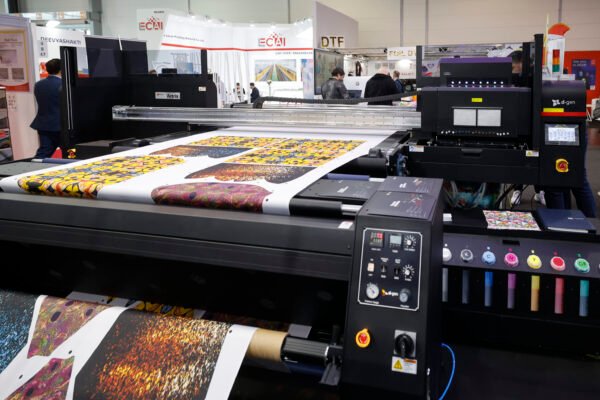
- Digital textile printing: This is one of the gentlest and most precise methods for silk. It uses water-based inks and minimal pressure, resulting in vibrant prints without stressing the fibers. For more on how this technology works, see this comprehensive overview of digital textile printing.
- Screen printing: While possible, traditional screen printing can be harsh if not carefully managed. Use fine mesh screens, light squeegee pressure, and water-based or specially formulated silk inks to minimize risk.
- Block printing: This manual technique can be gentle if done with care, but it’s best suited for small-scale or artisanal projects.
- Sublimation printing: Not recommended for natural silk, as it requires high heat that can damage the fibers.
Preparing Silk for Printing Without Fiber Damage
Proper preparation is key to achieving crisp, long-lasting prints while keeping silk’s structure intact. Follow these steps:
- Pre-wash the fabric using a mild, pH-neutral detergent. This removes any sericin (the natural gum) or residues that could interfere with ink absorption.
- Dry flat and iron on low heat to avoid creases. Excessive heat or pressure can weaken the fibers, so always use a protective cloth when ironing.
- Stretch the silk gently on a frame or printing table. Avoid pulling too tightly, as this can distort the weave and stress the threads.
- Apply a pre-treatment solution if recommended by your ink or printing system. This helps inks bond to the silk without bleeding, reducing the need for harsh fixatives later.
Best Practices for Printing on Silk Without Compromising Fibers
To achieve the best results, it’s important to combine the right materials, equipment, and handling techniques. Here are practical tips for how to print on silk without damaging the fibers:
- Use water-based, fiber-friendly inks specifically formulated for silk. Avoid solvent-based or plastisol inks, which can stiffen or degrade the fabric.
- Maintain gentle pressure during printing. Whether using a digital printer or a manual technique, excessive force can flatten or break the fibers.
- Control temperature during curing or steaming. Silk should never be exposed to temperatures above 150°C (302°F). Always follow manufacturer guidelines for ink fixation.
- Handle with clean hands and tools to prevent oils or dirt from transferring onto the fabric, which can affect print quality and fiber health.
- Test on a scrap or strike-off before full production. This allows you to check for color fastness, print clarity, and any signs of fiber stress.

Fixing and Finishing: Securing Prints While Protecting Silk
After printing, the ink must be set to ensure durability. For silk, this process must be handled with care:
- Steam fixation is the most common method for reactive and acid dyes. Use a dedicated steamer and follow precise timing and temperature instructions to avoid overexposure.
- Low-temperature heat setting may be suitable for some digital inks. Always use a protective sheet and avoid direct contact with hot surfaces.
- Gentle washing after fixation removes excess dye. Use cold water and a mild detergent, then air dry flat away from direct sunlight.
For more creative inspiration, you might also explore what is cyanotype printing on clothing, which, while not typically used on silk, demonstrates the importance of selecting the right process for each fabric type.
Common Mistakes to Avoid When Printing on Silk
Even experienced printers can make errors that compromise silk’s integrity. Here are pitfalls to watch out for:
- Using harsh chemicals or fixatives not intended for silk, which can cause yellowing or brittleness.
- Applying too much heat during drying or curing, leading to shrinkage or fiber damage.
- Skipping pre-treatment, resulting in uneven prints or ink bleeding.
- Neglecting to test on a sample, which can result in wasted fabric or unexpected results.
FAQ: Printing on Silk Without Harming the Fibers
What type of ink is safest for silk printing?
Water-based inks designed specifically for silk are the safest choice. They bond well with the protein fibers and avoid the harsh chemicals found in some other ink types.
Can I use a regular iron to set prints on silk?
You can use an iron on the lowest heat setting, but always place a pressing cloth between the iron and the silk. Avoid steam and never leave the iron in one spot for too long to prevent scorching.
How do I prevent colors from bleeding on silk?
Proper pre-treatment and using inks formulated for silk are key. Additionally, fix the print with steam or low heat as recommended, and always wash gently in cold water.
Is digital printing better than screen printing for silk?
Digital printing is generally gentler and offers higher detail, making it ideal for delicate fabrics. However, screen printing can be used successfully if done with care and the right materials.
Conclusion
Mastering how to print on silk without damaging the fibers involves a combination of careful preparation, choosing the right printing method, and gentle handling throughout the process. By following these best practices, you can achieve brilliant, lasting prints while preserving the luxurious qualities of silk. For those working with various garment types, consider reviewing tips for designing for different garment sizes to ensure your artwork translates beautifully across different textiles.