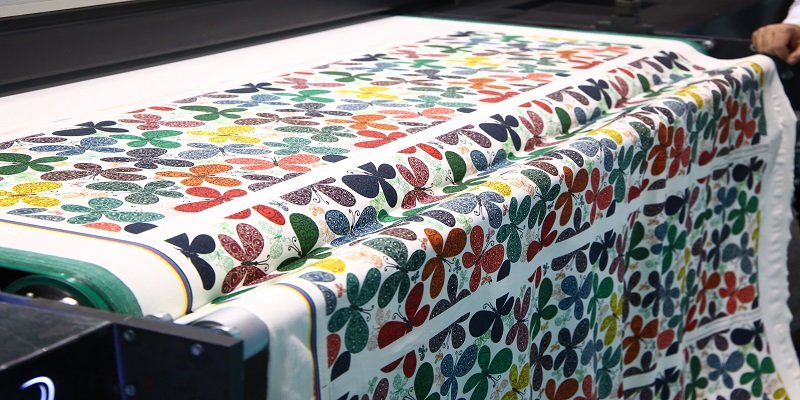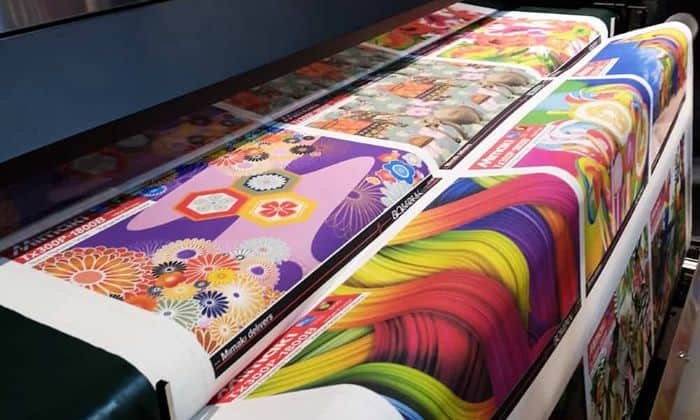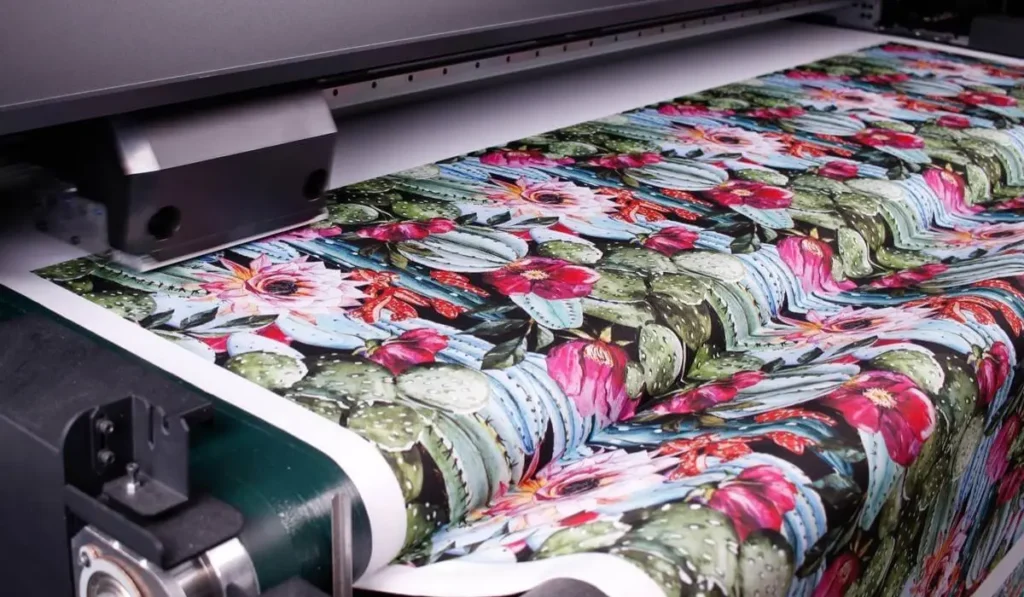
In textile manufacturing, ensuring that a fabric’s color, print, and finish match the intended design is crucial before moving into bulk production. This is where the process of developing a strike-off comes into play. A strike-off is a small sample of printed or dyed fabric produced to demonstrate how the final product will look. It serves as a vital checkpoint for both designers and manufacturers to confirm that all specifications are met before committing to large-scale production.
Understanding how to create a strike-off for fabric approval can prevent costly mistakes, save time, and ensure client satisfaction. Whether you’re working with digital, screen, or rotary printing, the strike-off process is a standard step in the apparel and textile industry.
If you’re interested in exploring creative textile processes, you might also find value in learning about what is cyanotype printing on clothing, which offers a unique approach to fabric design.
What Is a Strike-Off and Why Is It Important?
A strike-off is a test print or dye sample created on a small piece of fabric using the exact production method, inks, and colors intended for the final product. It allows designers, brands, and manufacturers to evaluate the accuracy of color, pattern scale, registration, and overall quality before proceeding to mass production.
- Quality Control: Ensures the finished fabric matches the approved artwork and color standards.
- Cost Efficiency: Identifies potential issues early, reducing the risk of expensive errors in bulk runs.
- Client Approval: Provides a tangible sample for clients or designers to review and approve before production begins.
Key Steps in Developing a Fabric Strike-Off
The process of developing a strike-off for fabric approval involves several coordinated steps between the design team, the print or dye house, and the client. Here’s a breakdown of the typical workflow:
1. Finalizing Artwork and Technical Specifications
Before requesting a strike-off, ensure that all design files are finalized and production-ready. This includes:
- High-resolution artwork in the correct color profile (usually CMYK for printing).
- Clear specifications for color references (Pantone or custom codes), scale, and repeat size.
- Fabric type, weight, and finish details.
- Any special effects or finishes (such as metallic inks or glitter). For more on specialty inks, see how to use glitter and metallic inks on apparel.
2. Selecting the Printing or Dyeing Method
The method used for the strike-off should match the intended production process. Common methods include:
- Digital printing: Ideal for detailed designs and quick sampling.
- Screen printing: Suitable for bold colors and larger runs.
- Rotary printing: Used for continuous patterns in mass production. Learn more about this technique in what is rotary screen printing for mass production.
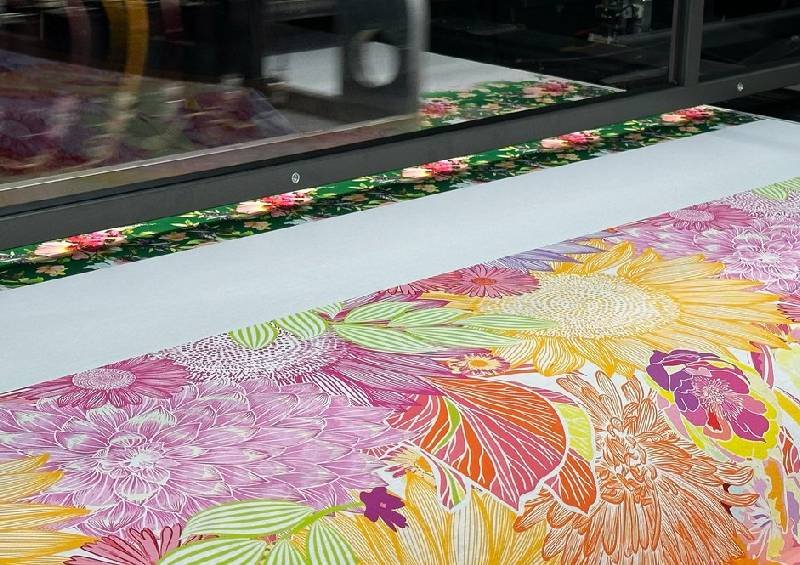
3. Preparing the Fabric Base
The strike-off must be produced on the same fabric base as the final product. This ensures that color absorption, texture, and print clarity are accurately represented. Pre-treatment (such as washing or coating) should match production standards.
4. Producing the Strike-Off Sample
The print or dye house creates a small sample (typically 30×30 cm or larger, depending on the pattern repeat) using the provided artwork and specifications. Multiple variations may be produced to test different colorways or finishes.
5. Reviewing and Approving the Sample
Once the strike-off is ready, it is reviewed for:
- Color accuracy under various lighting conditions.
- Pattern alignment and repeat accuracy.
- Print or dye quality (sharpness, registration, and consistency).
- Fabric hand-feel and finish.
Feedback is provided, and if necessary, adjustments are made. The process may be repeated until the sample meets all requirements.
Best Practices for Strike-Off Approval
To streamline the approval process and ensure the best results, consider these tips:
- Communicate Clearly: Provide detailed instructions and reference samples to the print or dye house.
- Use Standardized Color References: Pantone or digital color codes help avoid misinterpretation.
- Request Multiple Options: If feasible, ask for several colorways or finishes in a single round.
- Document Feedback: Keep records of all comments and approvals for future reference.
- Test for Production Conditions: Evaluate the strike-off under the same conditions as the final product (washing, exposure, etc.).

Common Challenges and Solutions in Strike-Off Development
Even with careful planning, issues can arise during the sampling process. Here are some common challenges and how to address them:
- Color Variations: Fabric composition and pre-treatment can affect color results. Always use the production fabric and request lab dips if necessary.
- Print Misalignment: Ensure artwork files are set up correctly, and communicate pattern repeat and registration details clearly.
- Inconsistent Results: Conduct multiple tests and work closely with the supplier to identify the root cause of inconsistencies.
- Delays in Approval: Streamline communication and set clear timelines for feedback and revisions.
Integrating Strike-Offs into the Production Workflow
Once a strike-off is approved, it becomes the reference standard for bulk production. The approved sample should be archived and used to check the quality of the production run. Any deviation from the approved strike-off should be flagged and addressed before the full order is completed.
For those looking to optimize the entire textile printing process, setting up a comprehensive tech pack is essential. Refer to how to set up a tech pack for textile printing for a detailed checklist.
Advancements in Digital Textile Printing for Sampling
Digital textile printing has revolutionized the way strike-offs are produced. It allows for rapid prototyping, minimal waste, and precise color matching. For a deeper dive into sustainable and innovative digital methods, explore this comprehensive guide to digital textile printing and sustainability.
Frequently Asked Questions
What is the difference between a strike-off and a lab dip?
A strike-off is a printed or dyed fabric sample used to approve patterns, colors, and finishes, while a lab dip is a small swatch dyed to match a specific color standard, typically for solid colors. Both are essential for quality control, but strike-offs are used for prints and complex designs.
How long does it take to produce a strike-off?
The timeline varies depending on the complexity of the design, the printing method, and the supplier’s capacity. On average, it takes 5–10 days from artwork submission to sample delivery, but this can be shorter with digital printing.
Can changes be made after approving a strike-off?
Minor adjustments can sometimes be made, but significant changes may require a new strike-off and additional approval rounds. It’s best to finalize all specifications before giving final approval to avoid delays and extra costs.
Is a strike-off necessary for every production run?
While not always mandatory for repeat orders, a new strike-off is recommended if there are changes in design, fabric, or production method to ensure consistency and quality.
Conclusion
Mastering how to create a strike-off for fabric approval is a critical skill in textile production. By following a structured process—finalizing artwork, selecting the right method, preparing the correct fabric, and carefully reviewing samples—you can minimize risks and ensure your final product meets expectations. Leveraging advancements in digital printing and maintaining clear communication with your production partners will further streamline the process and enhance results.
For further reading on advanced textile printing techniques, you may also want to explore how to print on dark fabrics effectively.