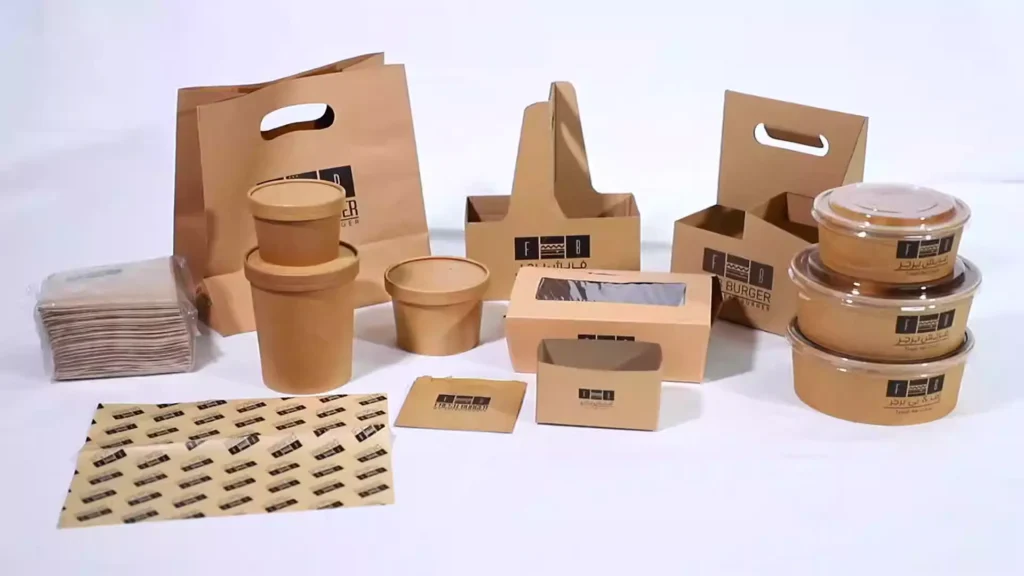
In today’s world, adopting a home zero waste print setup is not just a trend, but a necessity. As we become more aware of the environmental impact of our daily activities, it’s crucial to find ways to reduce waste. One area where we can make a significant difference is in our printing habits. By setting up a zero waste printing environment at home, we not only contribute to environmental conservation but also promote sustainable living. This guide will walk you through the steps to achieve a zero waste printing setup in your home.

Why Choose a Zero Waste Print Setup?
Many people are unaware of the environmental impact of traditional printing. From the paper used to the ink cartridges disposed of, the waste generated can be substantial. A zero waste print setup aims to minimize this impact by promoting sustainable practices. Not only does this benefit the environment, but it can also lead to cost savings in the long run.
Understanding the Environmental Impact
Traditional printing methods contribute to deforestation, pollution, and an increase in landfill waste. For more insights, you can visit Reducing Waste When Printing. By choosing a home printing setup that focuses on zero waste, you can significantly reduce your carbon footprint.
Cost Benefits of Zero Waste Printing
Implementing a home zero waste print setup can lead to significant cost savings over time. By using less paper and ink, and by opting for refillable cartridges, you reduce the need for constant replacements. Learn more about sustainable methods at Zero Waste Publishing.
Steps to Create Your Zero Waste Print Setup
Choose the Right Printer
Start by selecting a printer that supports sustainable practices. Look for models that offer duplex printing, energy-saving modes, and support for recycled paper.
Opt for Recycled Paper
Using recycled paper is one of the simplest ways to reduce waste. Ensure the paper you choose is certified by organizations that promote sustainable forestry. For more on certifications, check Green Printing Certifications.
Use Eco-Friendly Inks
Traditional inks can be harmful to the environment. Opt for vegetable-based or soy inks, which are less toxic and more biodegradable.
Implement Digital Solutions
Whenever possible, opt for digital documents over printed ones. Digitizing your files not only reduces waste but also makes them easier to organize and access.
Maintaining Your Zero Waste Print Setup
Regular Printer Maintenance
Keeping your printer in good working condition ensures it operates efficiently, reducing waste and prolonging its lifespan.
Recycle Old Cartridges
Many manufacturers offer programs to recycle used ink cartridges. Participating in these programs helps reduce landfill waste.
Educate Your Household
Share the benefits of your zero waste print setup with family members. Encourage them to adopt similar practices to further reduce your household’s environmental impact.
The Future of Zero Waste Printing
Innovations in Eco-Printing
The printing industry is constantly evolving, with new technologies emerging that focus on sustainability. Stay informed about these advancements to ensure your setup remains eco-friendly.
The Role of Businesses
Businesses play a crucial role in promoting zero waste practices. By supporting companies that prioritize sustainability, you contribute to a larger movement towards environmental conservation. Explore more on sustainable printing at Sustainable Packaging.

Frequently Asked Questions
What is a zero waste print setup?
A zero waste print setup focuses on minimizing environmental impact by reducing waste, using sustainable materials, and promoting digital solutions over traditional printing methods.
How can I reduce ink usage?
Consider using eco-friendly inks and adjusting your printer settings to print in draft mode when high quality prints are not necessary.
Are there any cost benefits to zero waste printing?
Yes, by reducing the need for paper and ink, and by using refillable cartridges, you can save money over time.
This article contains affiliate links. We may earn a commission at no extra cost to you.