The world of textile and garment decoration offers a range of printing technologies, each with its own strengths and ideal use cases. Two of the most popular methods for producing vibrant, durable prints on apparel and other substrates are sublimation and direct to film (DTF) printing. Understanding the differences between these techniques is essential for businesses, designers, and hobbyists who want to select the most suitable process for their projects. This guide to sublimation vs direct to film printing breaks down the core distinctions, advantages, and limitations of each method, helping you make informed choices for your creative or commercial needs.
If you’re exploring advanced garment decoration, you may also be interested in what is all-over printing in streetwear design, which covers another innovative approach to textile printing.
Understanding Sublimation Printing
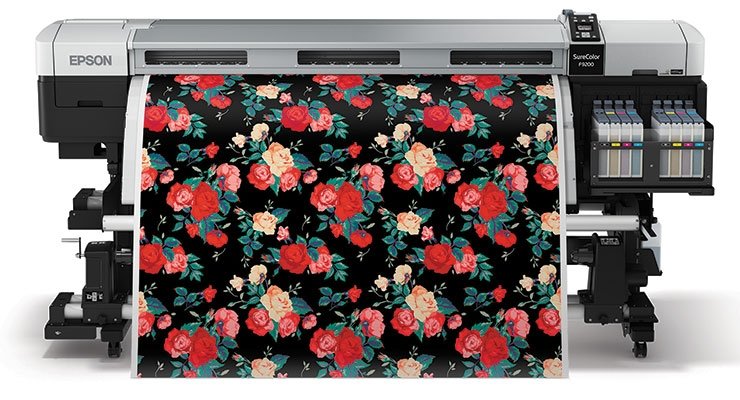
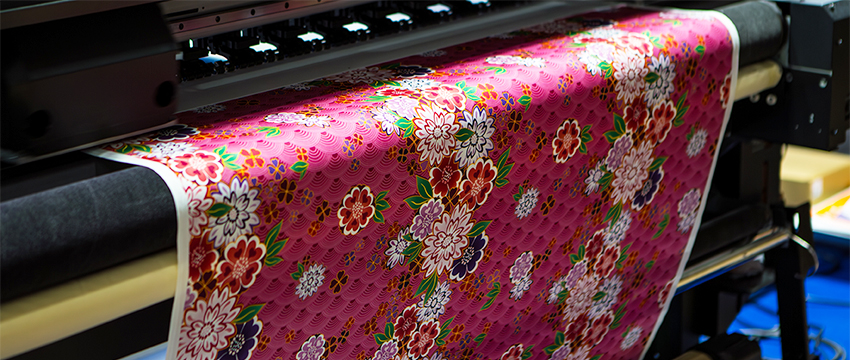
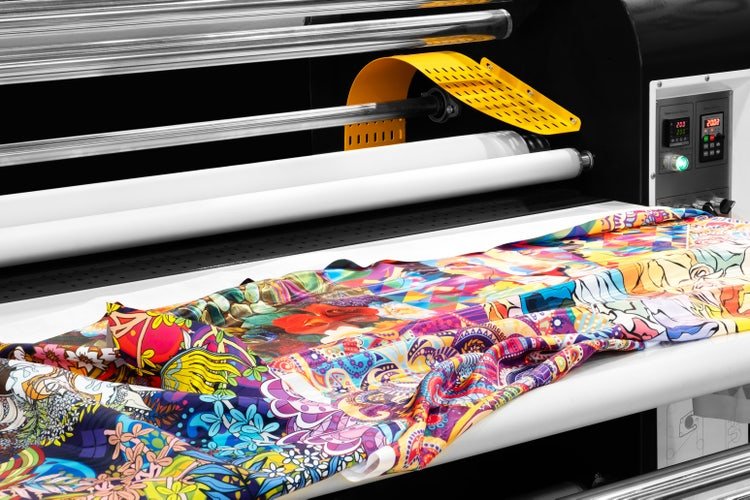
Sublimation is a digital printing process that uses heat to transfer dye onto materials such as polyester fabrics, coated ceramics, or metals. The process involves printing a design onto special transfer paper using sublimation inks. When heat and pressure are applied, the ink turns into a gas and permeates the surface of the substrate, resulting in a permanent, full-color image.
- Best suited for: White or light-colored polyester textiles, sportswear, and promotional products.
- Key benefit: The print becomes part of the fabric, so there’s no additional layer or feel.
- Limitation: Not compatible with cotton or dark fabrics, and requires substrates with a polymer coating.

How Direct to Film Printing Works
Direct to film (DTF) printing is a newer technology that allows for vibrant, detailed designs to be printed onto a special film. The printed film is then coated with a powder adhesive, cured, and transferred onto the garment using a heat press. Unlike sublimation, DTF can be used on a wide range of fabrics, including cotton, polyester, blends, and even dark-colored textiles.
- Best suited for: Cotton, polyester, blends, and dark or light garments.
- Key benefit: Versatile fabric compatibility and the ability to print on both light and dark colors.
- Limitation: The transferred print sits on top of the fabric, which can result in a slightly raised feel.
Comparing Print Quality and Durability
When evaluating print quality and durability, both methods deliver impressive results, but with distinct characteristics:
- Sublimation: Produces vibrant, photo-quality prints that are extremely durable. The colors are embedded in the fibers, so they won’t crack, peel, or fade with washing. However, results are best on white or light polyester.
- DTF: Offers sharp, detailed images with excellent color vibrancy, even on dark or colored garments. The print layer is flexible and stretchable, but over time, it may show minor wear or cracking, especially if not applied or washed correctly.
Cost Considerations and Production Efficiency
The choice between these two technologies often comes down to budget, order size, and workflow preferences. Here’s how they compare:
- Sublimation: Requires investment in a sublimation printer, heat press, and compatible substrates. The process is efficient for small to medium runs and is ideal for personalized or on-demand products. However, the need for polyester limits its versatility.
- DTF: Involves a DTF printer, film, adhesive powder, and a heat press. While the initial setup can be more expensive, the ability to print on a broader range of fabrics can offset costs for businesses with diverse product lines. DTF is well-suited for both short runs and larger orders.
Applications and Use Cases for Each Method
The decision to use sublimation or DTF printing depends largely on the intended application:
- Sublimation: Commonly used for sportswear, team uniforms, promotional items, and home décor where polyester is the base material. It’s also ideal for products that require all-over, edge-to-edge designs.
- DTF: Perfect for custom t-shirts, hoodies, tote bags, and other apparel items made from cotton or blends. Its versatility makes it popular for fashion brands, small businesses, and print-on-demand services.
For those interested in the technical side of textile decoration, you might find value in learning more about what is digital sublimation for athletic wear, which explores the unique requirements of performance fabrics.
Environmental Impact and Sustainability
Sustainability is an increasing concern in the printing industry. Both processes have their own environmental considerations:
- Sublimation: Uses waterless inks and produces minimal waste, especially when printing on demand. However, it relies on synthetic fabrics, which may not be biodegradable.
- DTF: Allows for efficient use of materials and can reduce overproduction. The use of adhesive powders and films, however, introduces additional materials that may not be recyclable.
For a broader look at digital textile printing and its impact, consider reading this comprehensive overview of digital textile printing technologies.
Choosing the Right Printing Method for Your Needs
Selecting between sublimation and DTF depends on your specific requirements, including fabric type, design complexity, production volume, and budget. If you need to print on polyester and want a soft, permanent finish, sublimation is a strong choice. For printing on cotton or dark garments, or when versatility is key, DTF offers greater flexibility.
If you’re working with delicate materials, you might also be interested in techniques for how to print on silk without damaging the fibers.
Frequently Asked Questions
Can I use sublimation printing on cotton garments?
No, sublimation printing is designed for polyester or polymer-coated substrates. The dye needs to bond with synthetic fibers, so it will not work effectively on cotton. For cotton apparel, DTF printing is a better option.
Which method is more durable after repeated washing?
Both methods offer good durability, but sublimation prints are generally more resistant to fading, cracking, or peeling because the ink becomes part of the fabric. DTF prints are durable as well, but may show signs of wear over time if not cared for properly.
Is it possible to achieve all-over prints with DTF?
While DTF is excellent for detailed, vibrant designs on a variety of fabrics, it is not typically used for all-over or edge-to-edge printing. Sublimation is preferred for full-coverage designs, especially on polyester garments. For more on this, see our guide on what is all-over printing in streetwear design.
Are both methods suitable for small business or home use?
Yes, both sublimation and DTF can be set up on a small scale. Sublimation is popular with hobbyists and small businesses due to its relatively low entry cost for basic setups. DTF requires more equipment but offers greater versatility for those looking to expand their product range.
Conclusion
Both sublimation and direct to film printing are powerful tools in the world of garment and textile decoration. By understanding the unique advantages and limitations of each, you can select the method that best aligns with your creative vision, business goals, and sustainability values. Whether you’re printing sportswear, fashion apparel, or promotional products, the right choice will ensure high-quality, lasting results.