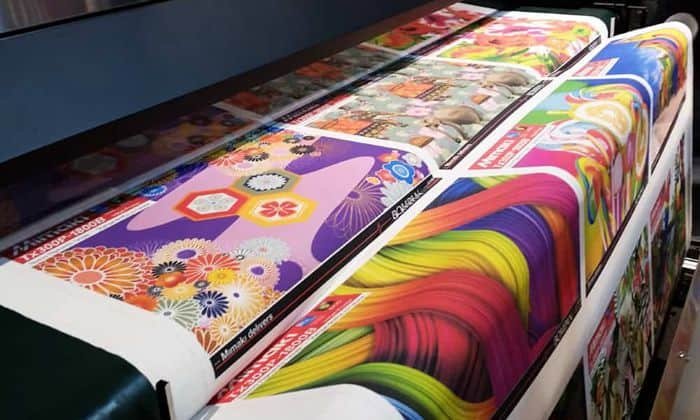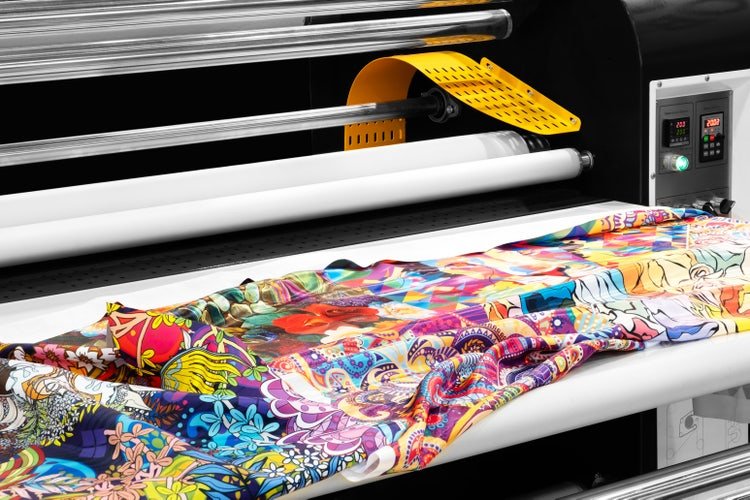
The world of high fashion is constantly evolving, and one of the most significant advancements in recent years has been the rise of large format fabric printing for runway shows. Designers are no longer limited to traditional methods or small-scale prints; today, they can bring bold, intricate, and custom designs to life on a grand scale. This comprehensive guide explores the essentials of producing eye-catching textiles for fashion collections destined for the runway, covering the latest technologies, key considerations, and practical steps for success.
Whether you’re a designer preparing for your first show or a seasoned professional looking to update your production process, understanding the nuances of large-scale textile printing is crucial. From selecting the right materials to choosing between digital and screen printing, every decision impacts the final look and feel of your garments.
A successful runway collection often starts with meticulous planning. For those new to the process, learning how to set up a tech pack for textile printing can be invaluable, ensuring your creative vision translates accurately from concept to fabric.
Understanding the Basics of Large Format Textile Printing
At its core, large format fabric printing for runways refers to the process of applying designs, patterns, or images onto wide rolls of fabric, typically used for garments showcased in fashion shows. This approach allows for the creation of dramatic, all-over prints and seamless patterns that command attention on the catwalk.
The main techniques used in this area include digital textile printing and traditional screen printing. Each method has its own strengths, making it important to understand which is best suited for your collection’s needs.
Key Technologies: Digital vs. Screen Printing
When it comes to producing fabrics for runway collections, two primary technologies dominate: digital textile printing and screen printing. Both offer unique advantages and can be leveraged depending on the desired outcome, budget, and production scale.
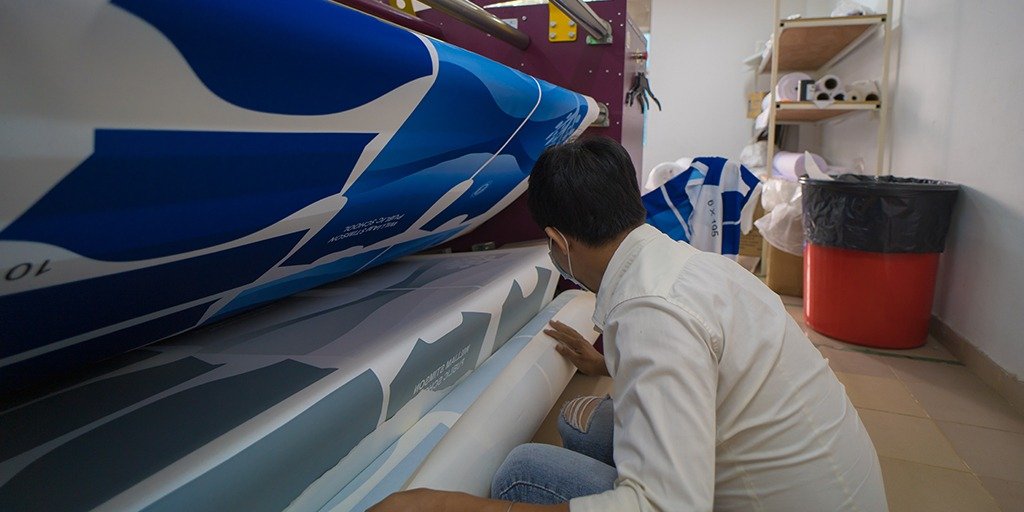
Digital Textile Printing for Fashion Shows
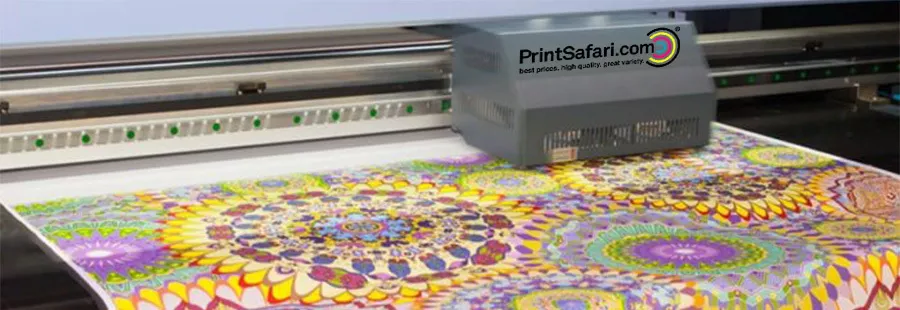
Digital printing has revolutionized the way designers approach fabric production. This method uses inkjet technology to apply designs directly onto textiles, enabling high-resolution, full-color prints with virtually unlimited design possibilities. It’s especially popular for short runs, custom pieces, and intricate patterns.
Key benefits include:
- Ability to print complex, photorealistic images
- Quick turnaround times, ideal for tight fashion show schedules
- Minimal setup costs for small batches
- Eco-friendly options with water-based inks
For a deeper dive into this technology and its advantages, see this detailed explanation of what is digital textile printing.
Screen Printing for Large-Scale Patterns
Screen printing remains a staple in the industry, particularly for bold, graphic designs and larger production runs. This technique involves pushing ink through a mesh screen onto the fabric, one color at a time. While setup can be more involved, the results are vibrant and durable.

Advantages of screen printing include:
- Exceptional color vibrancy and opacity
- Cost-effectiveness for larger quantities
- Long-lasting prints suitable for garments that require frequent handling
To compare these two methods in more detail, explore the difference between screen printing and digital printing for apparel.
Choosing the Right Materials and Inks
The choice of fabric and ink is fundamental to achieving the desired look and feel for runway garments. Common materials include cotton, silk, polyester, and blends, each offering unique properties in terms of drape, color absorption, and texture.
When selecting inks, consider factors such as colorfastness, vibrancy, and environmental impact. Water-based inks are increasingly popular for their eco-friendly profile and soft hand feel, while pigment inks offer excellent coverage and durability.
Design Considerations for Runway-Ready Prints
Creating textiles for fashion shows requires a blend of creativity and technical know-how. Here are some tips for designing impactful prints:
- Scale matters: Large, bold patterns are more visible on the runway and photograph well.
- Color selection: Choose hues that complement your collection and stand out under stage lighting.
- Repeat patterns: Ensure seamless repeats for all-over designs, especially on long garments.
- Fabric compatibility: Test your designs on the actual material to check for color accuracy and print clarity.
For those interested in launching their own production, our resource on how to start a fashion printing business provides step-by-step guidance.
Production Workflow and Quality Control
A smooth workflow is essential for meeting tight deadlines and maintaining quality. Here’s a typical process for producing large-scale prints for runway collections:
- Finalize designs and tech packs
- Select fabric and printing method
- Produce test swatches for approval
- Run full-scale printing
- Inspect and finish fabrics (washing, steaming, cutting)
- Assemble garments and conduct final quality checks
Consistent quality control at each stage helps prevent costly errors and ensures the finished pieces look flawless on the runway.
Trends and Innovations in Large Format Textile Printing
The industry is seeing rapid innovation, with new technologies enabling even more creative freedom. Some current trends include:
- Eco-friendly printing processes and biodegradable inks
- On-demand, just-in-time production to reduce waste
- Integration of smart textiles and interactive prints
- Collaborations between artists and fashion houses for exclusive runway prints
For inspiration and technical details, explore resources like this overview of digital textile printing for fashion.
Frequently Asked Questions
What fabrics are best suited for large-scale runway printing?
The ideal fabric depends on the desired drape, finish, and print clarity. Popular choices include silk for its luxurious sheen, cotton for breathability, and polyester for vibrant color reproduction. Always test your print on the actual fabric before full production.
How do digital and screen printing compare for fashion collections?
Digital printing excels at producing detailed, multicolor designs with fast turnaround, making it suitable for custom or limited-edition pieces. Screen printing is more cost-effective for large runs and delivers bold, long-lasting colors, but is less flexible for intricate patterns.
What are the main challenges in producing textiles for runway shows?
Key challenges include ensuring color consistency across large fabric panels, meeting tight deadlines, and selecting materials that perform well under stage lighting. Early planning and thorough quality control are vital to overcoming these obstacles.
Conclusion
Mastering large format fabric printing is a game-changer for designers aiming to make an impact on the runway. By understanding the available technologies, selecting the right materials, and following a structured workflow, you can bring your creative vision to life at scale. Stay informed about the latest trends and continually refine your process to keep your collections at the forefront of fashion innovation.