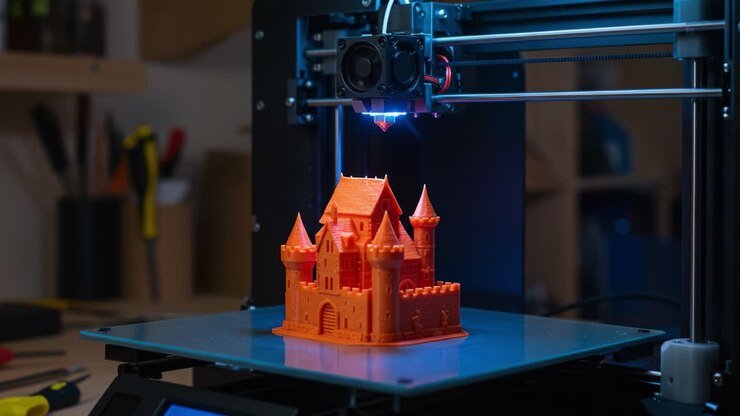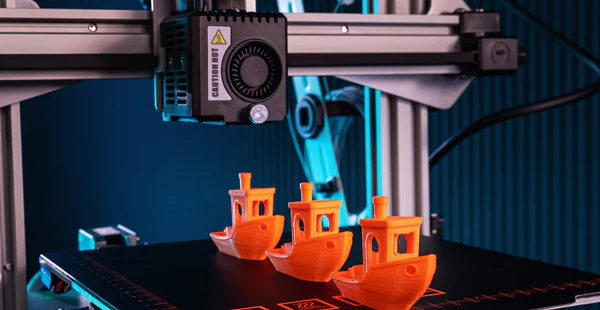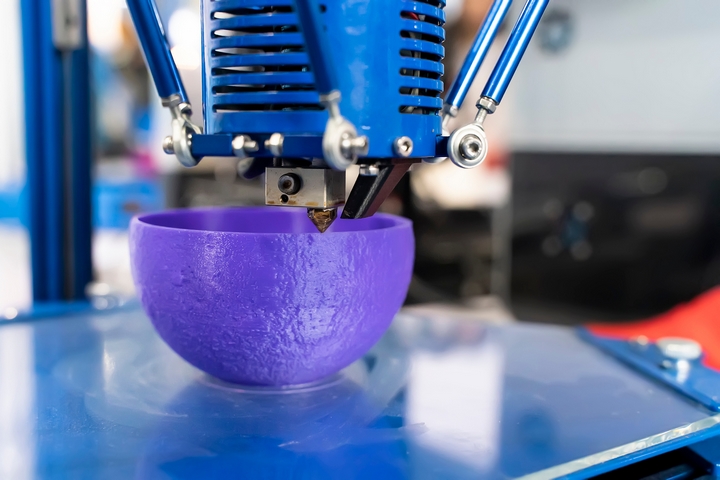
The future of 3D printing is rapidly transforming how products are imagined, designed, and manufactured. Once a niche technology, additive manufacturing now stands at the forefront of innovation, influencing industries from aerospace to healthcare. As new materials, software, and processes emerge, businesses and designers are rethinking traditional production methods and embracing new opportunities for customization, efficiency, and sustainability.
Whether you’re a manufacturer, product designer, or simply curious about the next wave of industrial change, understanding the latest trends in this field is essential. In this article, we’ll explore the key developments that are shaping the next decade of additive manufacturing and digital fabrication.
For readers new to this technology, our 3D printing technology explained guide offers a comprehensive introduction to the basics and practical applications.
Key Innovations Driving Additive Manufacturing Forward
The evolution of 3D printing is marked by several groundbreaking advancements. These innovations are not only making the technology more accessible but also expanding its potential across industries.
- Material Diversity: Recent years have seen a surge in the types of materials available for additive manufacturing, including advanced polymers, composites, ceramics, and even metals. This diversity enables the creation of parts with unique mechanical, thermal, and chemical properties.
- Speed and Scale: Modern printers can now produce larger objects at faster rates, making it feasible to use additive processes for both prototyping and end-use production.
- Software Integration: Enhanced design tools and simulation software, such as those offered by Autodesk’s 3D printing solutions, are streamlining the workflow from concept to finished part.
- Sustainability: Additive manufacturing reduces waste by using only the material needed for each part, supporting more sustainable production models.
Emerging Trends in the Future of 3D Printing
As the technology matures, several trends are shaping the direction of additive manufacturing and design:
Wider Adoption in Mass Production
Traditionally, 3D printing was reserved for prototyping and small-batch manufacturing. However, improvements in printer speed, reliability, and material strength are enabling its use in large-scale production. Industries such as automotive and consumer electronics are now leveraging additive methods to produce complex components at scale.
Customization and On-Demand Manufacturing
One of the most significant advantages of additive manufacturing is the ability to produce highly customized products without the need for expensive tooling. This enables businesses to offer personalized solutions, from medical implants tailored to individual patients to bespoke consumer goods. On-demand production also reduces inventory costs and shortens supply chains.
For a deeper look at how this technology is changing modern manufacturing, see our article on what is 3D printing and its impact on industry.
Advances in Materials and Multi-Material Printing
The range of printable materials continues to expand, with new composites, bio-based polymers, and even food-safe substances entering the market. Multi-material printing, where a single machine can deposit different materials in one build, is opening up new possibilities for functional parts and assemblies.
Integration with Digital Manufacturing Ecosystems
As digital manufacturing platforms become more sophisticated, additive processes are increasingly integrated with other technologies like robotics, AI, and IoT. This convergence enables smarter, more automated production lines and supports the shift toward Industry 4.0.
If you’re interested in the technical side of how these systems work together, our how 3D printing works guide provides a step-by-step overview for beginners.
Opportunities and Challenges Ahead
While the outlook for additive manufacturing is promising, there are still hurdles to overcome. Material costs, certification standards, and intellectual property concerns remain important considerations. However, as the technology matures, these challenges are being addressed through industry collaboration and regulatory development.
The growing adoption of additive techniques is also driving new business models, such as distributed manufacturing and digital inventory. Companies can now produce parts closer to the point of use, reducing shipping times and environmental impact.
How to Prepare for the Next Era of Additive Manufacturing
For organizations and individuals looking to stay ahead, it’s important to invest in both technology and skills. Here are some practical steps:
- Stay Informed: Follow industry news, attend conferences, and participate in online communities to keep up with the latest developments.
- Experiment with New Materials: Test emerging filaments and resins to discover new applications for your products.
- Adopt Advanced Software: Utilize modern design and simulation tools to optimize parts for additive manufacturing.
- Train Your Team: Provide ongoing education for engineers and designers to ensure they are proficient in the latest techniques.
- Collaborate: Partner with research institutions, suppliers, and other companies to share knowledge and accelerate innovation.
For those just starting, our introduction to additive manufacturing article covers the basics and key applications.
FAQ
What industries are most impacted by advancements in additive manufacturing?
Sectors such as aerospace, automotive, healthcare, and consumer goods are seeing the greatest impact. In aerospace, lightweight and complex parts can be produced efficiently. Healthcare benefits from custom prosthetics and implants, while automotive manufacturers use the technology for rapid prototyping and specialized components.
How does additive manufacturing contribute to sustainability?
Additive processes use only the material required for each part, minimizing waste compared to traditional subtractive methods. Additionally, on-demand production reduces the need for large inventories and long-distance shipping, lowering the overall carbon footprint.
What skills are important for professionals working with 3D printing technologies?
Key skills include CAD design, understanding of material properties, familiarity with printer operation and maintenance, and knowledge of post-processing techniques. As the technology evolves, expertise in digital manufacturing software and data analysis is becoming increasingly valuable.