The way consumers interact with food packaging plays a crucial role in shaping their perception of both the product and the brand. As safety regulations and consumer expectations evolve, businesses must pay close attention to the food-safe packaging user experience. This involves not only ensuring that packaging materials are compliant with health standards but also making them intuitive, accessible, and visually appealing.
For companies looking to stand out in a competitive market, understanding how packaging influences customer satisfaction is essential. From the moment a consumer picks up a product to the point of disposal, every interaction matters. This article explores the key elements that define a positive experience with food-safe packaging, practical considerations for businesses, and the latest trends shaping the industry.
To explore how visual trends impact consumer perception, you may also find insights in our guide to food-safe packaging design trends.
What Defines a Positive Food Packaging Experience?
A successful packaging experience goes beyond basic functionality. While the primary purpose is to protect food and maintain freshness, modern consumers expect more. Elements such as ease of opening, clear labeling, and sustainable materials all contribute to a positive impression.
- Safety and Compliance: Packaging must meet food safety standards, using materials that prevent contamination and preserve quality.
- Clarity and Information: Labels should be easy to read, with clear ingredient lists, allergen warnings, and expiration dates.
- Convenience: Easy-to-open seals, resealable closures, and portion control features enhance usability.
- Visual Appeal: Attractive design and branding help products stand out and communicate value.
- Sustainability: Eco-friendly materials and recyclable packaging are increasingly important to consumers.
Key Elements of Food-Safe Packaging User Experience
Focusing on the user experience with food-safe packaging means considering every stage of the customer journey. Here are several important aspects that influence satisfaction and trust:
Material Safety and Sensory Factors
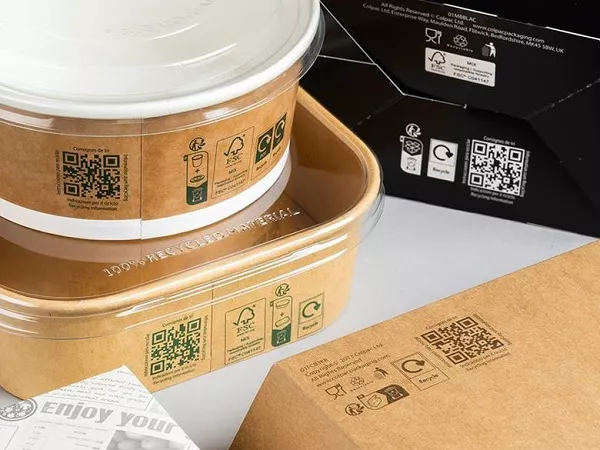
The foundation of any food packaging is its material. Consumers want assurance that what touches their food is non-toxic and free from harmful chemicals. Certifications and symbols, such as those from the FSC or FDA, help communicate this safety. Additionally, packaging should not impart unwanted tastes or odors to the food.
Accessibility and Usability
Packaging that is difficult to open or handle can frustrate users and diminish brand loyalty. Features like easy-peel lids, ergonomic shapes, and clear instructions make a significant difference. For example, resealable bags and containers allow for convenient storage and portion control, especially for busy families or on-the-go consumers.
Information Transparency
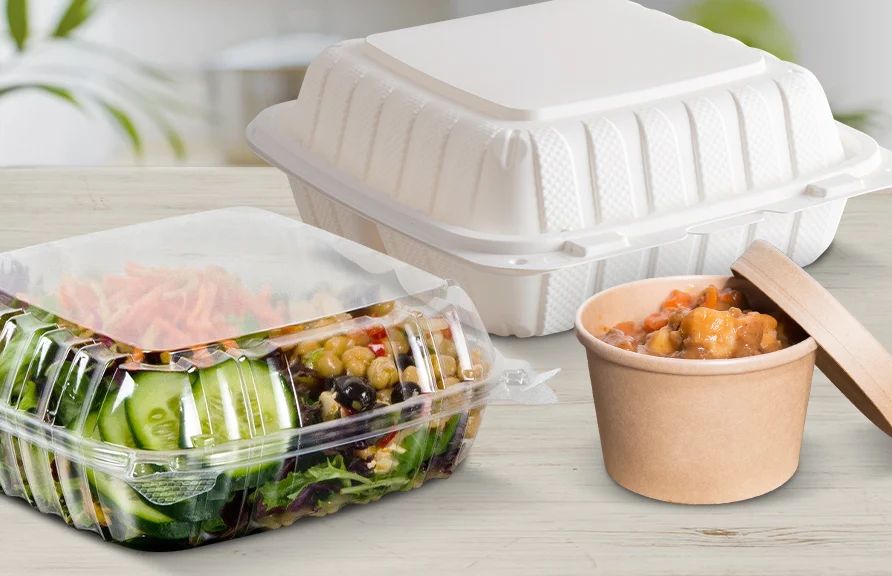
Clear, legible labels are essential. Consumers rely on packaging to provide accurate details about ingredients, nutritional content, and allergens. Transparent packaging can also allow customers to see the product before purchase, building confidence in quality and freshness.
Branding and Design Influence
The look and feel of packaging are powerful tools for brand communication. Thoughtful design choices—such as color schemes, typography, and imagery—help products stand out on shelves and convey messages about quality and values. For businesses interested in strengthening their visual identity, exploring food-safe packaging branding ideas can provide inspiration.

How Packaging Impacts Consumer Trust and Loyalty
The relationship between packaging and consumer trust is well documented. When customers feel confident that their food is safe and the packaging is thoughtfully designed, they are more likely to become repeat buyers. According to research published in the International Journal of Environmental Research and Public Health, packaging safety and transparency are directly linked to consumer confidence and purchasing decisions.
Negative experiences—such as difficulty opening a package, unclear labeling, or concerns about material safety—can quickly erode trust. On the other hand, positive experiences foster brand loyalty and encourage word-of-mouth recommendations.
Trends Shaping the Future of Food Packaging Experiences
As the industry evolves, several trends are influencing how companies approach the food-safe packaging user experience:
- Personalization: Custom packaging solutions tailored to specific products or target audiences are gaining popularity. Businesses can learn more about this by exploring custom food-safe packaging solutions.
- Digital Printing: Advances in digital printing technology allow for more vibrant, detailed, and flexible designs, enhancing both branding and compliance. For a deeper dive, see our article on digital printing for food-safe packaging.
- Sustainability: Eco-conscious consumers are driving demand for recyclable, compostable, and biodegradable packaging options.
- Smart Packaging: Features like QR codes, freshness indicators, and tamper-evident seals are becoming more common, providing added value and reassurance.
- Small Business Solutions: Even smaller producers are now able to access affordable, compliant packaging. For more on this, see our guide to food-safe packaging for small businesses.
Best Practices for Enhancing Food Packaging Usability
To deliver a standout experience, businesses should focus on the following best practices:
- Prioritize Safety: Use certified, food-grade materials and maintain strict quality control throughout production.
- Test for Usability: Conduct user testing to identify pain points, such as hard-to-open seals or confusing labels.
- Embrace Clear Communication: Ensure all information is easy to find and understand, including allergen warnings and storage instructions.
- Incorporate Feedback: Listen to customer reviews and adapt packaging designs to address common concerns.
- Stay Current with Trends: Regularly review industry developments to keep packaging solutions fresh and competitive.
FAQ: Food-Safe Packaging and User Experience
What makes packaging “food-safe”?
Food-safe packaging is made from materials that do not transfer harmful chemicals or substances to the food. It must comply with regulatory standards and often carries certifications or symbols indicating its safety for direct food contact.
How does packaging design affect user experience?
Design elements such as ease of opening, clear labeling, and attractive visuals all contribute to a positive experience. Good design helps consumers access and use the product efficiently while reinforcing brand identity.
Why is sustainability important in food packaging?
Sustainable packaging addresses environmental concerns by using recyclable, compostable, or biodegradable materials. Many consumers prefer eco-friendly options, and businesses that prioritize sustainability can enhance their reputation and appeal.
How can small businesses improve their packaging experience?
Small businesses can focus on simple, effective packaging solutions that prioritize safety, clarity, and usability. Leveraging digital printing and customizable options can help them create professional, compliant packaging without high costs.
By focusing on the evolving needs of consumers and staying informed about industry trends, businesses can create packaging that not only keeps food safe but also delivers a memorable and positive experience at every touchpoint.